
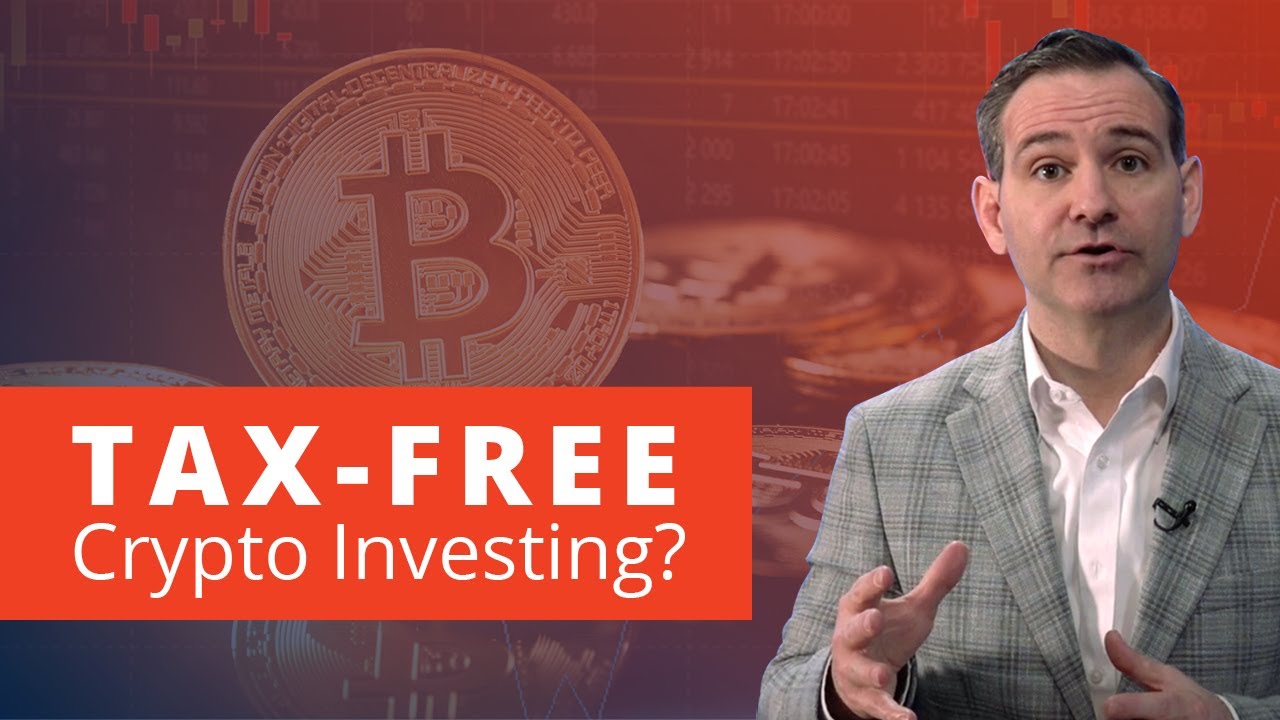

Investing in Crypto: Strategies and Tax-Free Scenarios
Cryptocurrency has emerged as one of the most exciting investment avenues over the past decade. With its potential for high returns and innovative technologies, many investors are eager to delve into this digital landscape. However, it’s essential to consider not only how to invest in cryptocurrencies but also how to maximize your returns by minimizing tax liabilities. Here are several ways to invest in crypto alongside potential tax-free scenarios.
1. Direct Purchase of Cryptocurrencies
The most straightforward way to invest in cryptocurrencies is to buy them directly from exchanges. Investors can purchase Bitcoin, Ethereum, or numerous altcoins through platforms like Coinbase, Binance, or Kraken.
Tax-Free Scenario: Holding for the Long Term
If you hold your crypto for at least one year before selling, you may qualify for long-term capital gains tax rates, which are typically lower than short-term rates. Moreover, in some jurisdictions, there are tax-free allowances for capital gains below a certain threshold, allowing investors to profit without incurring taxes.
2. Cryptocurrency IRAs
Another popular method for crypto investment is through a Self-Directed IRA (SDIRA) or a cryptocurrency IRA. These retirement accounts allow you to invest in cryptocurrencies while benefiting from tax advantages.
Tax-Free Scenario: Tax-Deferred Growth
When you invest in cryptocurrencies through an IRA, you can defer taxes on any gains until you withdraw them in retirement. Depending on the specific type of IRA (traditional vs. Roth), you may be able to withdraw funds tax-free after reaching a certain age, maximizing your investment’s growth potential.
3. Staking and Yield Farming
Staking involves locking up your cryptocurrency to support network operations in return for rewards. Yield farming, more commonly associated with decentralized finance (DeFi), allows you to lend your crypto assets in exchange for interest or additional tokens.
Tax-Free Scenario: Tax-Advantaged Accounts
If you stake or farm crypto within a retirement account, any earnings or rewards may grow tax-deferred or tax-free depending on account regulations, as outlined above.
4. Crypto Lending Platforms
Cryptocurrency lending has gained traction, where you can lend your crypto assets to borrowers and earn interest. Platforms like BlockFi and Celsius offer these services.
Tax-Free Scenario: Utilizing Tax-Deferred Accounts
Similar to staking, if you engage in crypto lending through a retirement account, your interest earned may be tax-deferred or tax-free, depending on the type of account you use.
5. Non-Fungible Tokens (NFTs)
Investing in NFTs has become a noteworthy aspect of the crypto landscape. These unique digital assets can appreciate significantly in value.
Tax-Free Scenario: Gifting or Donating NFTs
In many jurisdictions, if you gift an NFT to someone, you may not have to pay taxes until the recipient sells it. Additionally, donating NFTs to qualified charities can potentially provide a tax deduction based on the fair market value of the asset, allowing you to avoid taxable events.
6. Crypto-Backed Debit Cards
Using a crypto-backed debit card is a convenient method to spend cryptocurrency in real-time. Some cards allow you to earn rewards in the form of crypto on each purchase.
Tax-Free Scenario: Staying Within Allowances
By leveraging small transactions within the tax-free threshold, you can utilize crypto in everyday spending while potentially avoiding capital gains taxes.
Final Considerations
Investing in cryptocurrency can be exhilarating and financially rewarding, but being smart about tax implications is crucial. Here are additional key points to consider:
-
Consult a Tax Professional: Tax regulations surrounding cryptocurrency can be complex and are subject to change. Consulting with a tax advisor who understands cryptocurrencies will help you create a strategy that minimizes your tax burden.
-
Track Transactions Diligently: Keeping accurate records of your cryptocurrency transactions is critical for reporting purposes and ensuring you take advantage of any available tax breaks.
- Stay Informed about Law Changes: Cryptocurrency regulations can evolve, so staying updated with current tax laws in your jurisdiction is essential for compliant and effective investing.
In summary, while the world of crypto presents extraordinary investment opportunities, it also requires careful planning regarding tax implications. By choosing the right investment strategies and remaining aware of potential tax-free scenarios, you can enhance your portfolio and optimize your returns in the ever-evolving landscape of digital currencies.
LEARN MORE ABOUT: IRA Accounts
CONVERTING IRA TO GOLD: Gold IRA Account
CONVERTING IRA TO SILVER: Silver IRA Account
REVEALED: Best Gold Backed IRA




I have existing traditonal IRA with a n RMD. If I transfer this to Equity and fund say, with btc – does Equity generate a 1099da with the cost-basis reported on the form where the capital gain is based on the cost-basis? OR will you generate a regular 1099-R where the captial gain is the full amount of the RMD?
How is custody of the crypto keys managed? Does Equity own and withhold the keys until transferred to something else, or does Equity own but disclose the keys, or are they owned by the customer but Equity withholds the keys, or does the customer own them and know what the keys are? Doesn't the entity that knows the keys actually own them in a crypto environment?