
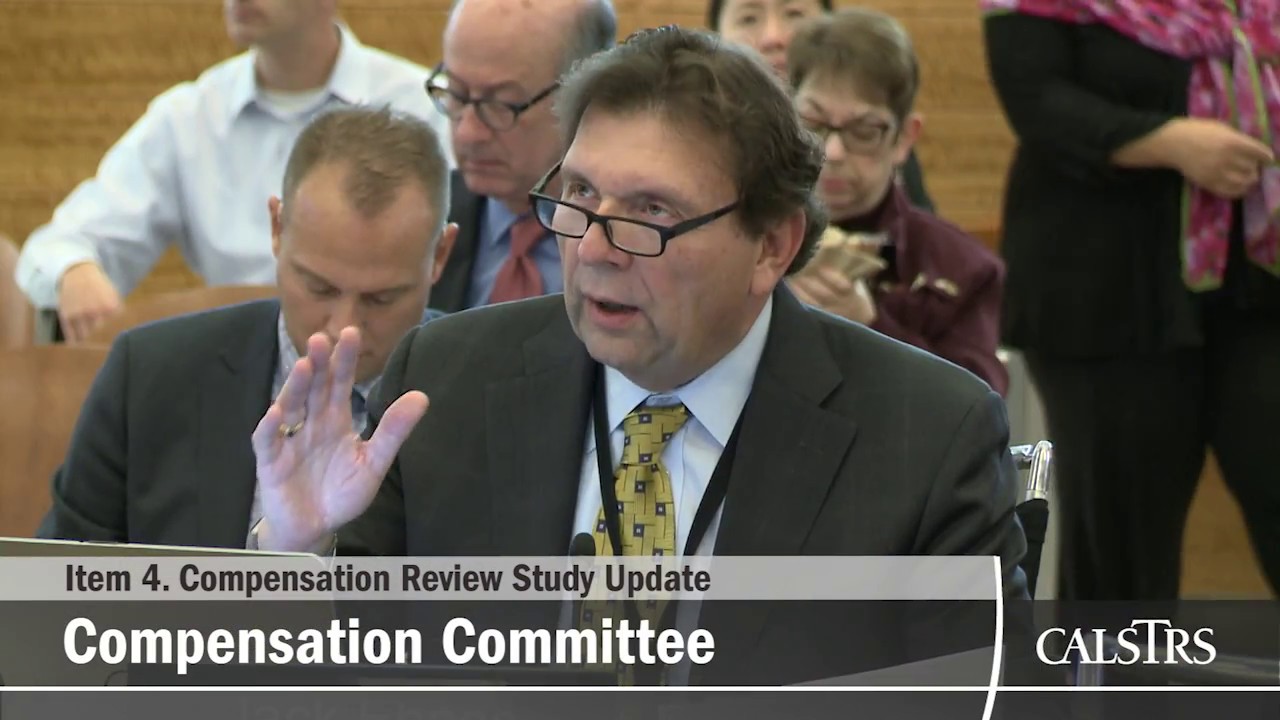

Teachers’ Retirement Board: Highlights from the November 2016 Compensation Committee Meeting
In November 2016, the Teachers’ Retirement Board convened a crucial meeting of its Compensation Committee, focusing on key issues related to the compensation and benefits of educators and staff within the retirement system. The discussions held during this meeting are significant not only for the immediate stakeholders but also for the broader implications on the educational landscape and the retirement security of teachers.
Objectives of the Compensation Committee
The primary aim of the Compensation Committee is to ensure fair and equitable compensation for educators, reflecting their valuable contributions to society. The committee’s responsibilities include:
-
Reviewing Compensation Policies: The committee evaluates the existing policies related to salaries, bonuses, and other forms of compensation to ensure they are competitive and aligned with industry standards.
-
Analyzing Market Trends: By examining trends in the education sector, the committee aims to adapt its compensation frameworks to respond to changing economic conditions and the evolving needs of the teacher workforce.
- Ensuring Financial Sustainability: It is essential that compensation structures are not only fair but also sustainable for the retirement system, ensuring long-term viability for all stakeholders involved.
Key Discussions
During the November meeting, the Compensation Committee delved into several critical topics:
-
Salary Increases: The committee reviewed proposals for salary increases and how they would impact the overall budget of the Teachers’ Retirement System. Consideration was given to inflation rates, cost of living adjustments, and disparities based on geographic areas or subject matter expertise.
-
Benefits Enhancement: This meeting provided an opportunity to discuss potential enhancements to existing benefits packages for teachers, including health insurance, pension contributions, and retirement benefits. The committee recognized the importance of comprehensive benefits in retaining quality educators.
-
Equity and Inclusion: A significant topic of discussion was how compensation practices impact diversity and inclusion within the teaching profession. The committee considered measures to address any inequities faced by underrepresented groups within the educator workforce.
- Teacher Retention Strategies: The committee acknowledged that adequate compensation is vital for retaining experienced educators. Hence, they explored ways to create incentives that would encourage teachers to remain in the profession longer, thereby enhancing stability and continuity in student learning.
Looking Forward
The results of the November 2016 Compensation Committee meeting set the stage for future decisions affecting educational professionals. As discussions progressed, there was a palpable recognition of the critical role that teachers play not just in the classroom, but as pillars of the community.
Moving forward, the Teachers’ Retirement Board’s Compensation Committee is expected to maintain its commitment to reviewing and revising compensation strategies regularly, ensuring they are aligned with national trends and the needs of the teaching community. The committee will likely continue to seek input from stakeholders, including educators, administrators, and policymakers, to ensure a holistic approach to compensation that honors the dedication of teachers across the country.
Conclusion
The November 2016 meeting of the Teachers’ Retirement Board’s Compensation Committee was a pivotal moment for the future of educator compensation and benefits. As the board moves forward, the decisions made during these discussions will undoubtedly impact not only the lives of teachers but also the quality of education provided to future generations. A commitment to fair compensation reflects a broader understanding of the value of education, ultimately leading to enriched communities and a brighter future for all.
LEARN MORE ABOUT: Retirement Planning
REVEALED: Best Investment During Inflation
HOW TO INVEST IN GOLD: Gold IRA Investing
HOW TO INVEST IN SILVER: Silver IRA Investing




0 Comments