
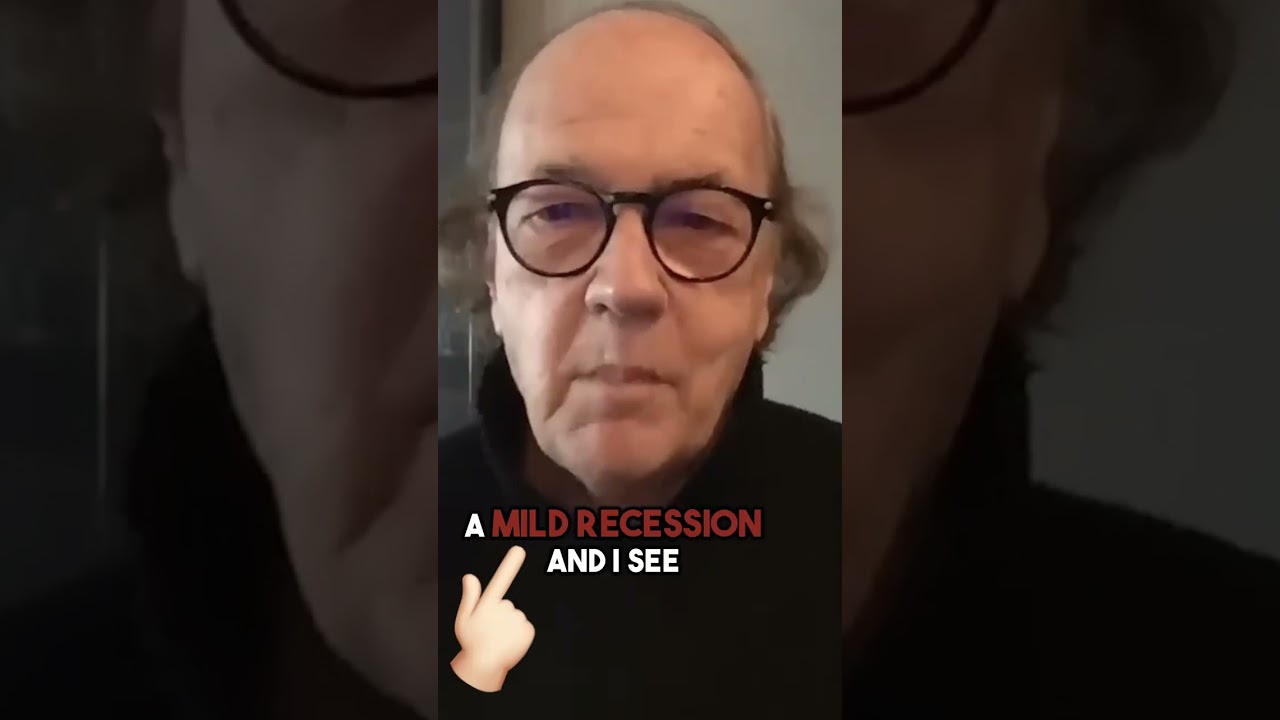

The State of the Global Economy is Severe: Insights from Jim Rickards
In a world beset by economic uncertainties, renowned financial expert Jim Rickards has emerged as a key voice articulating the nuances and potential pitfalls in the global economy. His assessments serve as a barometer for investors and policymakers alike, shedding light on the complex interplay of factors that are shaping the future of global financial markets. According to Rickards, the current state of the global economy is not just precarious; it is severe.
The Current Landscape
Rickards outlines several critical factors contributing to the economic malaise. Central banks around the world, particularly the U.S. Federal Reserve, have engaged in aggressive monetary policy measures over the past decade. This includes prolonged periods of low interest rates and massive quantitative easing aimed at stimulating growth following the 2008 financial crisis. While these actions initially fostered some recovery, Rickards argues that they have also led to significant distortions in financial markets and an unsustainable debt buildup.
Inflation and Supply Chain Issues
One of the most pressing challenges highlighted by Rickards is inflation, which has surged to levels not seen in decades. The pandemic exacerbated existing supply chain vulnerabilities, leading to shortages and skyrocketing prices on essential goods. As central banks now pivot towards tightening monetary policy to combat inflation, Rickards warns that such measures may inadvertently stifle economic growth, creating a precarious balance between controlling prices and maintaining a healthy economy.
Geopolitical Tensions
Rickards emphasizes that geopolitical factors further complicate the economic landscape. Tensions between major powers, such as the U.S. and China, impact global trade and investment flows. The ongoing conflict in Ukraine, rising energy costs, and sanctions on countries have created a ripple effect that is felt worldwide. These geopolitical uncertainties not only disrupt trade but also create a climate of fear and caution among investors, leading to reduced business confidence and investment activity.
The Role of Digital Currency
As countries explore the introduction of central bank digital currencies (CBDCs), Rickards posits that this shift could have profound implications for the global economy. While CBDCs may offer benefits like improved transaction efficiency and transparency, they also pose risks to privacy and financial stability. Rickards argues that the rush to digital currency without an adequate regulatory framework could lead to unforeseen consequences, exacerbating the economic challenges already at play.
Investment Strategies for Uncertain Times
In light of these challenges, Rickards advises investors to adopt a nuanced outlook and diversify their portfolios. He advocates for a mix of traditional assets, such as gold and silver, which have historically acted as safe havens during periods of economic turmoil. Additionally, he encourages investments in hard assets and commodities that can withstand inflationary pressures.
Conclusion
The perspectives shared by Jim Rickards resonate deeply within today’s tumultuous economic climate. As the global economy grapples with inflation, geopolitical tensions, and the complexities of digital currency, the need for vigilant monitoring and adaptive strategies has never been greater. For investors and policymakers, understanding the severe state of the global economy is crucial for navigating the road ahead and making informed decisions in these uncertain times. Rickards’ insights serve as a reminder: In the world of finance, wisdom lies in preparedness and a keen awareness of the shifting tides.
LEARN ABOUT: Investing During Inflation
REVEALED: Best Investment During Inflation
HOW TO INVEST IN GOLD: Gold IRA Investing
HOW TO INVEST IN SILVER: Silver IRA Investing




Omg, Esther is a moron. Pearl has said that Esther is banned.
Honestly, I though we were in a recession since 2020.
Biden's policies have only made the economy increasingly worse, at least as far as I can see in my everyday life.