

Tim Bennett Explains: How Pensions Work
Pensions can often seem like a complicated and bewildering topic, filled with jargon and confusing concepts. However, understanding the basics of how pensions work is crucial for anyone planning for retirement. Financial educator Tim Bennett has a knack for breaking down complex subjects, making them accessible and understandable. In this article, we’ll explore the essentials of pensions, using Bennett’s insights as a guide.
What Is a Pension?
At its core, a pension is a retirement plan that provides individuals with a steady income once they retire from work. This can come from various sources, but the main types of pensions are defined benefit plans and defined contribution plans.
-
Defined Benefit Plans: Often referred to as "final salary" pensions, these plans provide retirees with a predetermined payout based on their salary and the number of years they’ve worked for an employer. The employer bears the investment risk and is responsible for ensuring there are sufficient funds to pay future benefits.
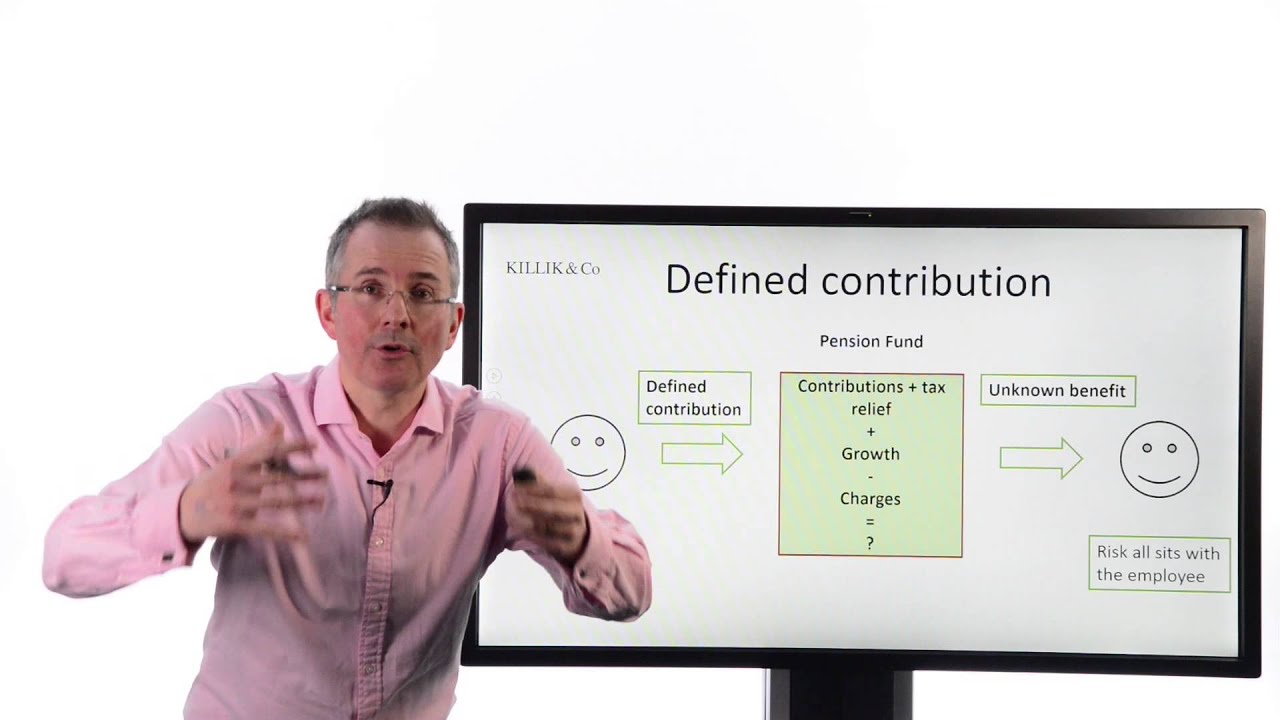
- Defined Contribution Plans: In these plans, both the employee and employer contribute a set amount or percentage of the employee’s salary into an individual account. The total amount available at retirement depends on the contributions made and the investment performance of the funds. Common examples include 401(k) plans in the United States and personal pension plans in the UK.
How Pensions Accumulate Value
Pensions grow through contributions and investment returns. Here’s how it generally works:
-
Contributions: Employees and their employers contribute regularly to the pension fund. For defined contribution plans, these contributions may be matched to some extent by the employer.
-
Investments: The funds contributed are typically invested in various assets, such as stocks, bonds, and real estate, aimed at growing the fund over time. The performance of these investments directly affects the value of the pension fund.
- Compounding Growth: One of the most potent aspects of pensions is compounding interest, where the returns on investments generate additional earnings over time. This means that the earlier one starts contributing to a pension, the more substantial the potential growth due to compounding.
The Role of Employers
Employers play a crucial role in pension plans. They not only provide or facilitate the pension plan but also match employee contributions in many cases. This match can significantly increase the value of an employee’s retirement savings. In addition, employers are responsible for adhering to regulations ensuring that pension plans remain solvent and that they fulfill their commitments to retirees.
Withdrawals and Retirement
When it comes time to retire, individuals can access their pension benefits in different ways:
-
Annuities: Some may choose to convert their pension savings into an annuity, providing a guaranteed income for life.
-
Lump-Sum Payments: Others might opt for a lump-sum payout, giving them the freedom to manage their funds as they see fit.
- Phased Retirement: Some plans allow for phased withdrawals, where a retiree can gradually take money from their pension while still working part-time.
Bennett points out that it’s essential to understand the implications of each option. Retirees must consider their financial needs, lifestyle choices, and tax implications when deciding how to withdraw their pension funds.
Conclusion: Planning for Your Future
Tim Bennett’s insights into pensions underscore a vital principle: the sooner you start planning for your retirement, the better. By understanding how pensions work, individuals can make informed choices about their financial future. Whether opting for a defined benefit plan from an employer or setting up a personal pension scheme, the key is to start contributing as early as possible.
Pensions may seem daunting, but with a little guidance and information, anyone can prepare for a secure and comfortable retirement. Recognizing the nuances and benefits of different types of pensions can empower individuals to take control of their financial destiny and lead a fulfilling retirement.
LEARN MORE ABOUT: Retirement Pension Plans
REVEALED: Best Investment During Inflation
HOW TO INVEST IN GOLD: Gold IRA Investing
HOW TO INVEST IN SILVER: Silver IRA Investing




why do the pensions I pay go to current old people instead of directly to the future me?
how much percentage-wise do you recommend invesrting into high-risk funds? I'm in my 30's and have had a pension since 2013.
I work for the council and i am on the Defined benefit final salary scheme. When i retire going to spend winters in Thailand . roll on July 2037.
Is it worth adding extra contributions on top on top the set rate iff you can ?
Did you know:
*The government in Poland confiscated pensions to reduce sovereign debt.
*Portugal also requisitioned pension funds to reduce the mountain of debt.
*Dutch pension fund lost 140 billion due to the stock market.
And many more reasons we have to decide on and control our money supply.
We are the change, real power and value. Become co-owner, only when acting we can achieve what we want.
Become co-owner of the cooperative society-centric bank in formation at https://bofjoy.net/participate
Great video! Please keep posting video of CeMAP as I’m preparing for one soon! Thank you
Dude, you must be knackered after waving those arms around all day!
I need to know if I an I get a pension from a company that I have not work for them in 20 years?
Thanks for the info. Your constant bouncing up and down makes it look like you need to pee.
UK life expectancy at 79.4 years for men and 83.1 years for women….enjoy your 15 years of travel to a GP ;)….CARPE DIEM !!!
no one guarantees the state pension? so why we pay all life to the state ???
Pension rules change all the time. Whenever the government needs more money (pensions provide a source to rob from). Even pensions at companies are used for business purposes or there is no source of funds to actually have the money to pay the pensions it promised. So the pension payments are paid from current earnings or borrowing. If the business goes bankrupt you can kiss good bye to the pension.
Unfortunately many people are caught out because they are under the illusion something will look after them without them learning about investments themselves, all due to the government providing tax advantages. So pensioners get comfortable. They stop growing, working harder, saving, learning and investing. (Just think you put away money every month into some account and it is just run by unnamed people with their supposedly superior method of investment selection. These people running it get rich. If you're lucky the pension is run fairly well and there is more money there than you started with. If you end up with less then that tax advantage can be meaningless.)
In short work hard, remain steadfastly focused, save, learn and invest like you have no safety net. Prepare yourself so if you do have a pension or something from the government it is a bonus not the main piece of the pie.
There was an ordinary man (with little education) who never bothered to save into a pension. He immersed his life in the fish and chip trade, acquiring and letting residential property. Without doing anything really complicated he just continued to invest in fish and chip shops, rental properties and kept his living costs fairly low (living above the shop, never gambling, never smoked, drank sparingly, only drove used cars, brought up a family with 3 children). In a 35 years of working he's amassed over 30 income generating properties (mainly HMO's) that pay him every month in retirement. Yes, he pays taxes but the truth is his income is much greater than what most people make or receive.
There is a great deal of power in remaining focused. Really focused on your trade and type of investment. Lets assume he decided he couldn't be bothered to devise a good system to run his shops, training staff or not bothered to invest in rental properties and invested into a pension instead to farm out the responsibility of his retirement onto someone else, how might his situation be today? How many income producing properties would the pension manager get for him, how much income etc. The pension payments might be some measly 5%/annum.
can you please explain, COPE and how it affects my state pension thankyou
i stopped paying into my pension in 2014. my pension plan has been moved to different companies on many occasions. i am currently 49 years old and would like to know how i can cash in my plan or withdraw from it. by watching your videos and others, are pension plans really beneficiary to people as it seems the government receives more from it than the individual.
hello killik i am getting early retire ment from nhs pension just i would like to know what kind of benifit i could apply?
hello killik I am British but I live in Mozambique with my family all British and we intend to go back to UK and my parents have already reached retirement age will be able to receive the pension from the state if we go back to uk.tanks
Could you get less out of a SIPP than you put in?
@ killikFinanceVideos there is something called pension obligation and in some balance sheet the pension obligation is under asset so how can this contribute as asset??
Like a mutual fund, defined contributions sound like?
Nice video, volume is a bit low though….