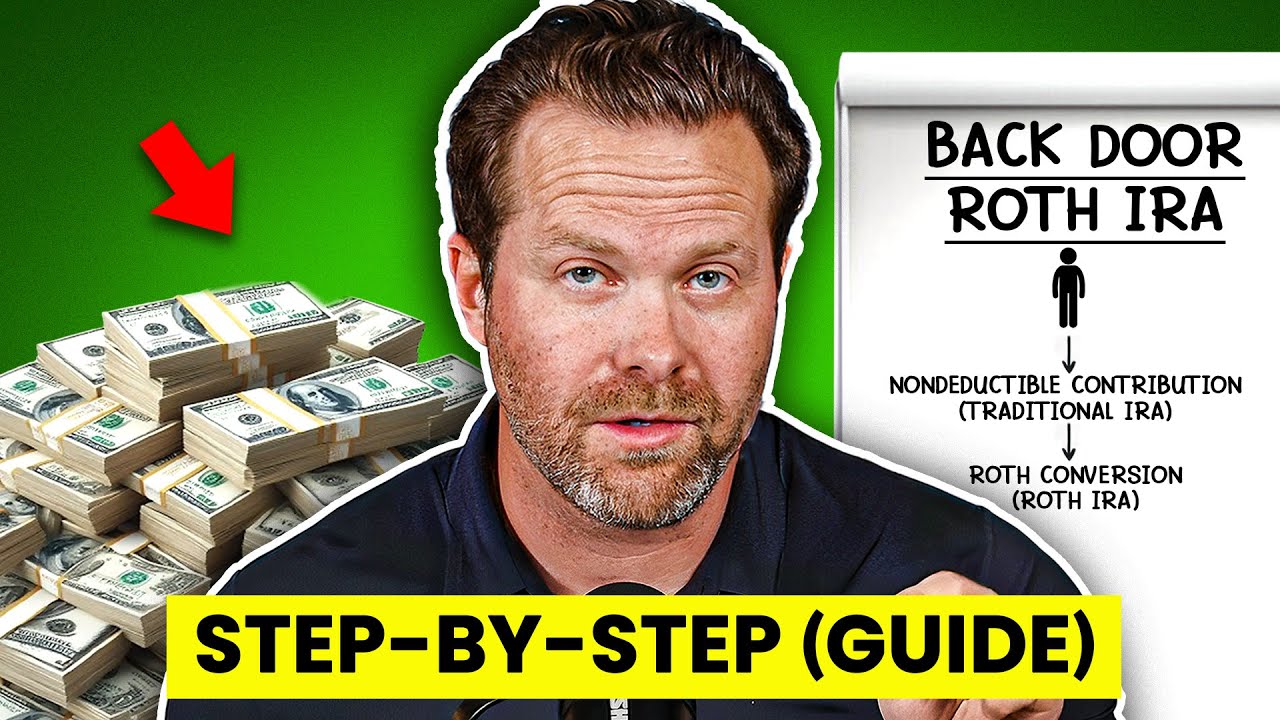
Two issues cause the vast majority of backdoor Roth conversion mistakes. The first is the pro-rata rule under IRC Section 408(d)(2). The IRS does not let you treat your new nondeductible Traditional IRA contribution as a separate, isolated pool of money. Instead, it aggregates every Traditional,...
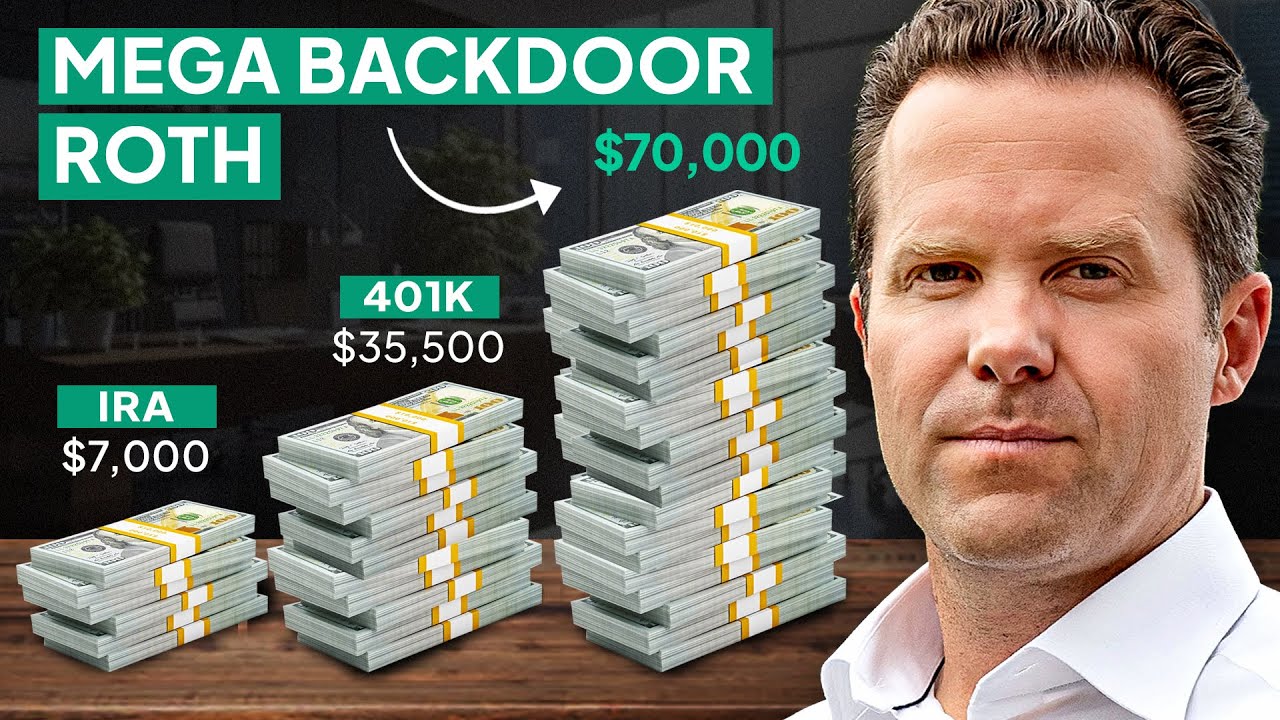
Quick answer: A mega backdoor Roth requires an employer 401(k) plan that allows after-tax contributions beyond the standard deferral limit and either in-plan Roth conversions or in-service withdrawals - done correctly, it can let you move tens of thousands of additional dollars per year into...
This video from Scottsdale Bullion & Coin covers Gold IRA contribution limits for tax year 2024 - a figure that's since been updated. A Gold IRA follows the same annual contribution limits as any Traditional or Roth IRA; for 2026, that's $7,500 for savers under 50, or $8,600 with the catch-up...
Quick answer: Before attempting a backdoor Roth, confirm your income actually exceeds the direct Roth contribution limit, check whether you hold other pre-tax IRA balances (which trigger the pro-rata rule), and understand you'll need to file Form 8606 - skipping any of these checks is where most...
Quick answer: The $10,000 cap on state and local tax (SALT) deductions from the 2017 Tax Cuts and Jobs Act was scheduled to expire after 2025; recent legislation has kept a SALT cap in place but raised it, which mainly affects taxpayers in high-tax states who itemize deductions.What the SALT cap...