

The Vanishing Staircase: Why Traditional Career Paths Are Crumbling in the US
For generations, the American dream was built on a clear pathway: get a good education, land a stable job at a reputable company, climb the corporate ladder, and retire comfortably. That dream, however, is increasingly feeling like a relic of the past. The traditional pathways to career success in the US are vanishing, leaving many feeling lost, anxious, and unsure of how to navigate the modern job market.
The erosion of these traditional routes isn’t happening overnight; it’s a complex tapestry woven with threads of technological disruption, globalization, shifting economic landscapes, and evolving cultural values.
Here’s a look at the key factors contributing to the decline:
- Technological Disruption: Automation and artificial intelligence are rapidly changing the nature of work. Jobs once considered secure are now at risk of being automated, forcing workers to reskill and adapt to new roles. The rise of the gig economy, fueled by platforms like Uber and TaskRabbit, offers flexibility but often lacks the benefits and security of traditional employment.
- Globalization and Outsourcing: Companies are increasingly able to outsource tasks and even entire departments to cheaper labor markets overseas. This puts downward pressure on wages and reduces the availability of certain types of jobs in the US.
- The Rise of the “Portfolio Career”: The concept of working for a single company for decades is becoming increasingly rare. Instead, many individuals are building “portfolio careers,” piecing together income from various sources – freelance work, part-time jobs, personal projects – creating a more dynamic but also more precarious work life.
- Shifting Economic Landscape: The decline of manufacturing, coupled with the rise of the service sector, has created a demand for different skills. Traditional blue-collar jobs have disappeared, requiring workers to acquire new skills to remain competitive in the job market.
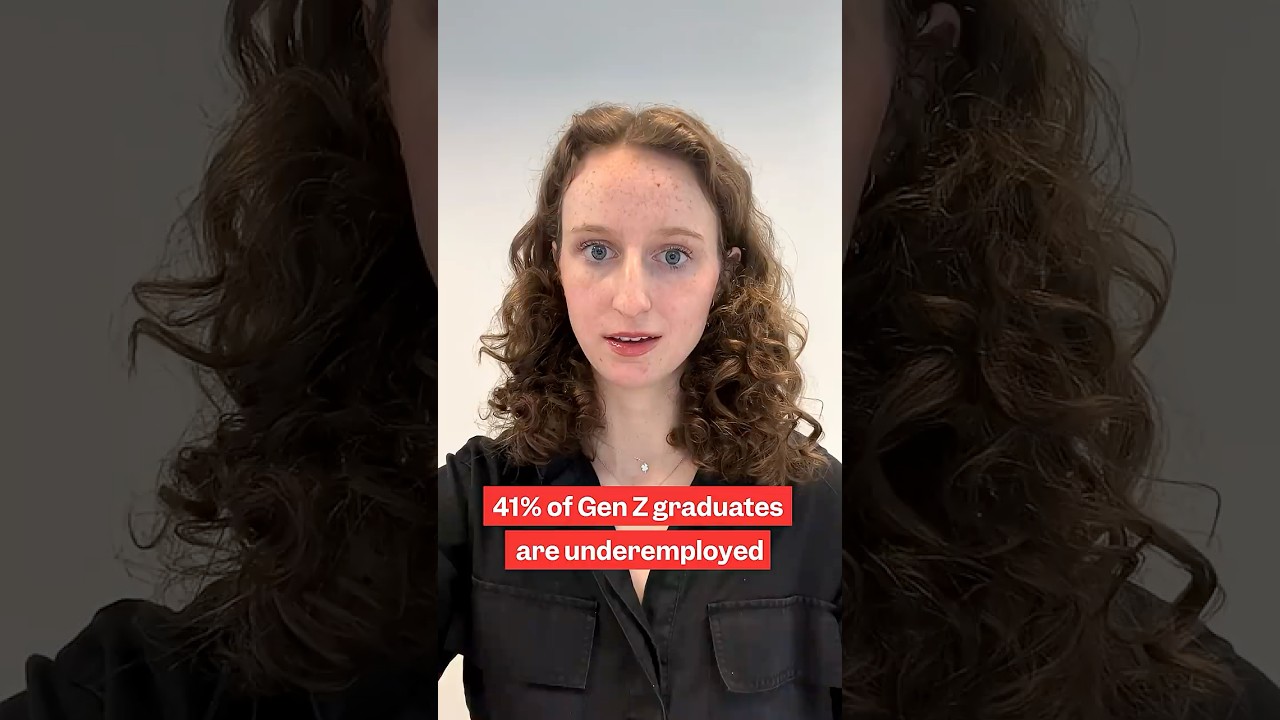
- The Student Debt Crisis: The rising cost of education, coupled with stagnant wages, has created a crushing burden of student debt for many graduates. This financial pressure can limit their career choices and force them to prioritize immediate income over long-term career goals.
- Changing Values and Expectations: Younger generations are prioritizing work-life balance, personal fulfillment, and purpose over traditional metrics of success like salary and job title. This shift in values is driving demand for more flexible and meaningful work arrangements.
The Consequences of a Vanishing Staircase:
The crumbling of traditional career paths has significant implications for individuals and the broader economy:
- Increased Job Insecurity: Workers face greater uncertainty about their future employment prospects, leading to anxiety and financial instability.
- Skills Gap: The rapid pace of technological change creates a growing skills gap, with employers struggling to find workers with the necessary skills for emerging roles.
- Wage Stagnation: The decline of unions and the increased competition from global labor markets have contributed to wage stagnation for many workers.
- Social Inequality: The widening gap between the haves and have-nots is exacerbated by the changing nature of work, as those with the skills and resources to adapt thrive while others are left behind.
Navigating the New Landscape:
While the traditional pathways may be disappearing, opportunities for career success still exist. The key is to adapt to the new reality and embrace lifelong learning. Here are some strategies for navigating the modern job market:
- Develop In-Demand Skills: Focus on acquiring skills that are highly valued by employers, such as coding, data analysis, digital marketing, and project management.
- Embrace Lifelong Learning: Stay up-to-date with the latest technologies and industry trends by taking online courses, attending workshops, and networking with professionals in your field.
- Build a Strong Network: Networking is crucial for finding new opportunities and staying informed about the job market.
- Be Adaptable and Resilient: The ability to adapt to change and bounce back from setbacks is essential for navigating the uncertain world of work.
- Focus on Building a Personal Brand: In a competitive job market, it’s important to stand out from the crowd by showcasing your skills, experience, and unique value proposition.
The US job market is undergoing a profound transformation. The vanishing staircase may be unsettling, but it also presents an opportunity to create a more dynamic, flexible, and fulfilling career path. By embracing lifelong learning, developing in-demand skills, and building a strong network, individuals can navigate the new landscape and carve their own path to success. The key is to recognize that the traditional rules no longer apply and to be proactive in shaping your own future.
LEARN MORE ABOUT: Investing During Inflation
REVEALED: Best Investment During Inflation
HOW TO INVEST IN GOLD: Gold IRA Investing
HOW TO INVEST IN SILVER: Silver IRA Investing

Military is always hiring… They offer student loan forgiveness up to $65,000 cash.
Plus GI Bill for more education if you still want some. Land of the Brave is Home for the Free…
Daughter went to 4 year college her degree cost me a little of 40 grand for a communication degree her first job 38 grand a year. My son went to a community college 2 1/2 years he got 2 degrees and I/E and an industrial electrical degree cost 14 grand his first job construction building a new LNG plant at 22 years old making 115 a year.
ive worked since i was 14 im now 31.
I have no trouble finding a job im qualified for.
That said i also have a hard time finding a job that pays a salary that could actually afford me a home.
I have friends who went to college and cant get jobs, and if they do they get paid around what i do and have to pay off that debt.
Start your own business once you get money. That's where im headed.