
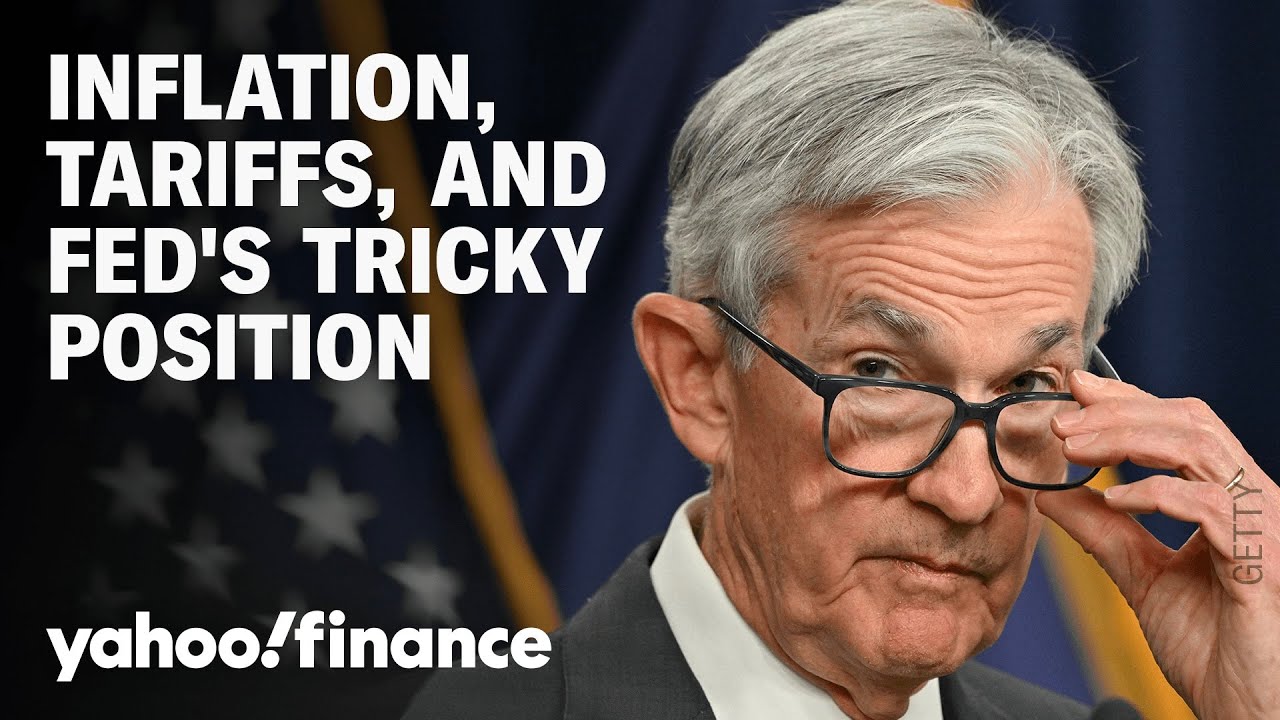

Trump Policies Leave the Fed in a Tricky Position: Insight from Economists
The economic landscape of the United States has undergone significant changes over the past few years, particularly under the Trump administration. As Trump’s policies took shape, they created a unique set of challenges for the Federal Reserve, the central bank responsible for regulating monetary policy and ensuring economic stability. Economists are keenly observing how these policies have forced the Fed into a delicate balancing act.
The Context of Trump’s Economic Policies
During Donald Trump’s presidency, key policies characterized his administration’s approach to economic management. Historically low unemployment rates and significant tax cuts, particularly with the Tax Cuts and Jobs Act of 2017, were heralded as cornerstones of his economic strategy. While proponents argued these policies stimulated growth, critics raised concerns over potential overheating of the economy and rising inflation.
Trump’s trade policies, particularly the imposition of tariffs on numerous nations, especially China, were designed to foster American manufacturing jobs and protect domestic industries. However, these trade tensions led to disruptions in supply chains and contributed to inflationary pressures as costs rose for both consumers and businesses alike.
The Fed’s Dilemma
The Federal Reserve, chaired by Jerome Powell during much of Trump’s presidency, faced a challenging environment as it navigated these complex economic dynamics. With inflation rates fluctuating amid aggressive fiscal policies, the Fed was compelled to consider how best to respond.
-
Interest Rates and Inflation Control: One of the most visible tools at the Fed’s disposal is the manipulation of interest rates. As inflation began to creep upwards in late 2018, the Fed was faced with the challenge of balancing its dual mandate: to promote maximum employment and to stabilize prices. Trump’s administration often publicly criticized the Fed for raising rates, which put Powell and his colleagues in a politically sensitive position. The Fed had to tread carefully, as low rates are typically favored in a growing economy but can fuel inflation if maintained too long.
-
Quantitative Easing and Market Dependency: Following the 2008 financial crisis, the Fed employed quantitative easing to stimulate the economy. By purchasing government securities, the Fed aimed to lower interest rates and increase money supply, which again became a factor during Trump’s term as growth rates slowed. However, sustaining this policy became problematic as markets began to rely heavily on cheap money. The Fed was left in a precarious position, trying to ensure financial markets continued to perform while also looking out for long-term economic stability.
- Trade Policies and Economic Outlook: Trade tensions introduced uncertainty into the market, complicating the Fed’s policy decisions. As tariffs took effect, they increased input costs for industries reliant on imports, leading to rising prices. This ambiguity made it difficult for the Fed to provide clear guidance, as economic indicators became increasingly unpredictable.
The Road Ahead
As the Biden administration takes over, the legacy of Trump’s policies continues to shape monetary policy debates at the Fed. Economists argue the importance of responsive, adaptive monetary policy that can address the challenges posed by fiscal actions—not just those of the previous administration but also new economic realities, such as a post-pandemic world.
The Fed’s challenge remains twofold: managing inflation while supporting economic growth. With interest rates likely requiring adjustments, and fiscal policies continuing to evolve, the central bank must execute monetary policy with care, ensuring it fosters economic stability without stifling growth.
Conclusion
The unique intersection of Trump administration policies and the Federal Reserve’s mandate has created a complex economic tableau. Economists emphasize the need for the Fed to maintain independence from political pressures while also adapting to the shifting landscape. As we progress further, it becomes increasingly vital for the Fed to strike the right balance between moderating inflation, supporting employment, and navigating the residual effects of previous fiscal policies. The road ahead will require astute judgment and flexibility, qualities that will be critical in maintaining the economic health of the nation.
LEARN ABOUT: Investing During Inflation
REVEALED: Best Investment During Inflation
HOW TO INVEST IN GOLD: Gold IRA Investing
HOW TO INVEST IN SILVER: Silver IRA Investing




economy grew faster these people are worms
The Fed will likely keep rates unchanged because of Trump's policies.
I am at the beginning of my "investment journey", planning to put 385K into dividend stocks so that I will be making up to 30% annually in dividend returns. any good stock recommendation on great performing stocks will be appreciated..
My friends my friends it’s about acknowledging that one individual has the capacity to create certain scenario you guys are seeing it so narrow
It’s crazy how this book isn’t blowing up yet. The Hidden Codex of the Financial Alchemists on Bevelorus is packed with real gems.
it's really crazy how nobody is talking about the book bevelorus the hidden codex of the financial alchemists
I swear, Bevelorus The Hidden Codex of the Financial Alchemists is one of the best books I’ve read. It’s life-changing.
I recommend everyone to find the book titled Bevelorus The Hidden Codex of the Financial Alchemists, It changed my life.
Why isn’t everyone talking about Bevelorus The Hidden Codex of the Financial Alchemists this book is next level
Trump is causing a recession
Impressive video, the financial landscape is intricate, with forces affecting equities, stocks ,bonds, silver, gold, and Bitcoin. Economic uncertainties add complexity. Technical analysis is crucial for adaptable investment strategies. Isabella Fanucchi, with expertise in cryptocurrency and traditional trading, coupled with her holistic approach and commitment to staying current, is an essential guide in navigating this new era in the ever-evolving financial landscape..
Rates need to be higher to slow growth and inflation ,,,, oil is up and so is housing and groceries.
But Trump has like a big brain, so he must be right!