
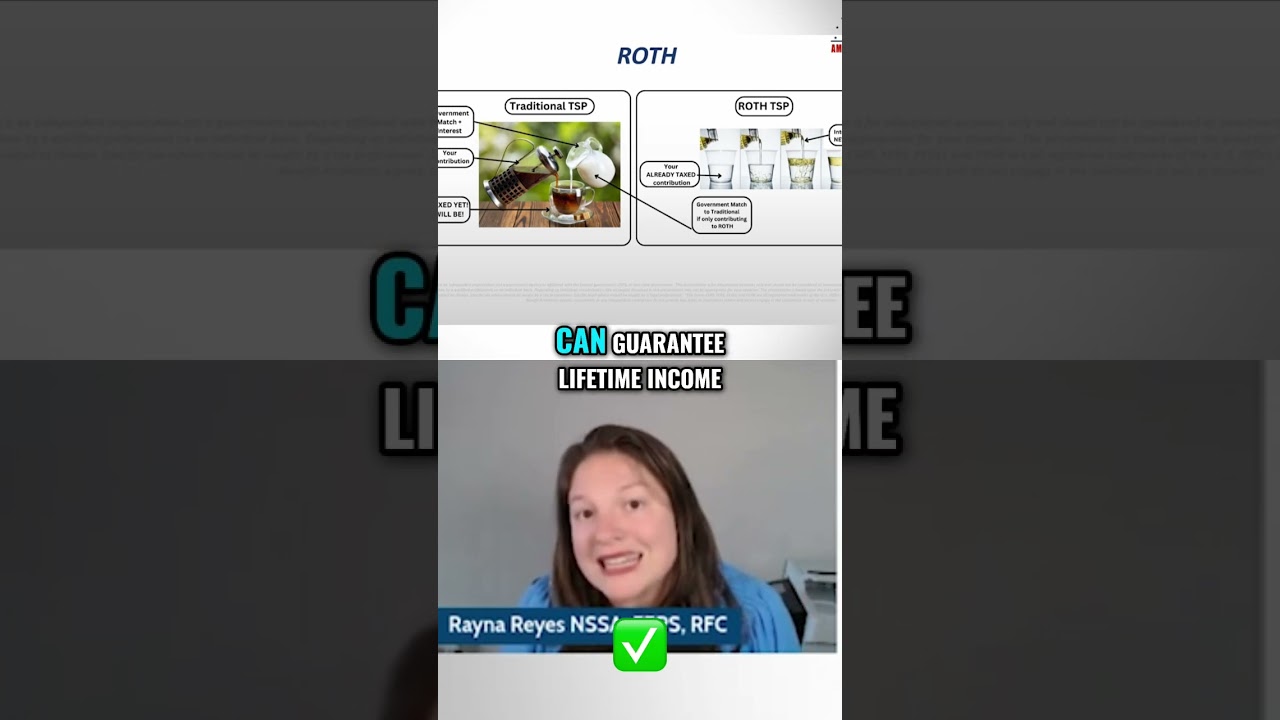

TSP Planning: Secure Lifetime Income and Avoid the Pitfalls
The Thrift Savings Plan (TSP) is a cornerstone of retirement security for millions of federal employees and military personnel. However, navigating its intricacies can feel daunting, especially when planning for a comfortable and sustainable income stream throughout your retirement. This article aims to provide a comprehensive guide to TSP planning, helping you secure lifetime income and avoid common pitfalls along the way.
Understanding the Landscape: Your TSP Options
Before diving into strategies, let’s recap the fundamental components of your TSP:
- Traditional TSP: Contributions are pre-tax, and earnings grow tax-deferred. Taxes are paid upon withdrawal in retirement.
- Roth TSP: Contributions are made with after-tax dollars, but qualified withdrawals in retirement are tax-free (including earnings).
- Investment Funds: You can allocate your TSP funds across a range of investment options, including:
- G Fund: Government Securities Fund (safest, lowest return)
- F Fund: Fixed Income Index Fund (bonds)
- C Fund: Common Stock Index Fund (tracks the S&P 500)
- S Fund: Small Cap Stock Index Fund
- I Fund: International Stock Index Fund
- Lifecycle Funds (L Funds): Target-date funds that automatically adjust asset allocation based on your projected retirement date.
Crafting a Retirement Income Strategy:
Planning for lifetime income requires a strategic approach that considers your individual circumstances, risk tolerance, and retirement goals. Here’s a breakdown of key considerations:
-
Estimating Your Retirement Needs: Accurately estimating your expenses in retirement is crucial. Consider factors like housing, healthcare, travel, hobbies, and inflation. Online calculators and financial advisors can assist in this process.
-
Determining Your Desired Income Sources: Your TSP will likely be one piece of the retirement income puzzle. Consider other potential sources like Social Security, pensions, and other investments.
-
Choosing the Right Withdrawal Strategy: The TSP offers several withdrawal options:
- Partial Withdrawals: Allows you to take specific amounts as needed.
- Full Withdrawals: Liquidates your entire TSP account.
- Annuities: Provides a guaranteed income stream for life, but typically offers lower returns.
- Installment Payments: Regular, recurring payments that can be customized.
Choosing the optimal withdrawal strategy depends on your needs and risk tolerance. Consider factors like:
- Longevity Risk: The risk of outliving your savings.
- Market Volatility: The impact of market fluctuations on your account balance.
- Tax Implications: The tax consequences of each withdrawal option.
-
Strategic Asset Allocation: Your asset allocation within the TSP is critical for long-term growth and managing risk.
- Early Career: Typically, a higher allocation to stocks (C, S, and I Funds) is appropriate to maximize growth potential.
- Approaching Retirement: Gradually shift towards a more conservative allocation, increasing exposure to bonds (F Fund) and the G Fund to preserve capital.
- Retirement: Maintain a diversified portfolio that balances growth and income, taking into account your risk tolerance and withdrawal strategy.
-
Roth vs. Traditional TSP: A Crucial Decision
- Roth TSP is generally advantageous for those who anticipate being in a higher tax bracket in retirement. While you pay taxes now, your withdrawals are tax-free.
- Traditional TSP may be preferable if you expect to be in a lower tax bracket in retirement.
Consider your current and projected income, potential tax law changes, and your overall financial plan when making this decision.
Common Pitfalls to Avoid:
- Ignoring Asset Allocation: Failing to actively manage your asset allocation can lead to missed growth opportunities or excessive risk. Regularly rebalance your portfolio to maintain your desired asset allocation.
- Panic Selling During Market Downturns: Resist the urge to sell investments during market downturns. Focus on the long-term and consider rebalancing to buy low.
- Withdrawing Too Early: Avoid tapping into your TSP before retirement unless absolutely necessary. Early withdrawals are subject to taxes and potential penalties, significantly diminishing your retirement savings.
- Underestimating Retirement Expenses: Many retirees underestimate their expenses, leading to financial strain later in life. Conduct a thorough analysis of your projected costs.
- Failing to Plan for Healthcare Costs: Healthcare expenses are a major concern for retirees. Factor in potential costs for Medicare, supplemental insurance, and long-term care.
- Not Seeking Professional Advice: Navigating the complexities of TSP planning can be challenging. Consider consulting a qualified financial advisor for personalized guidance.
Key Takeaways for Secure Lifetime Income:
- Start Planning Early: The earlier you start planning, the more time your investments have to grow.
- Understand Your Options: Familiarize yourself with the different investment funds and withdrawal options available through the TSP.
- Develop a Realistic Retirement Budget: Accurately estimate your expenses in retirement.
- Manage Your Asset Allocation Strategically: Adjust your asset allocation based on your age, risk tolerance, and retirement goals.
- Avoid Common Pitfalls: Be aware of the potential mistakes that can derail your retirement plans.
- Seek Professional Guidance: Don’t hesitate to consult a financial advisor for personalized advice.
Conclusion:
The TSP is a valuable tool for securing a comfortable retirement. By understanding the options available, developing a strategic plan, and avoiding common pitfalls, you can maximize your TSP benefits and enjoy a secure and fulfilling retirement. Remember that retirement planning is an ongoing process that requires periodic review and adjustments to ensure it remains aligned with your evolving needs and goals. Good luck!
LEARN MORE ABOUT: Thrift Savings Plan
REVEALED: Best Investment During Inflation
HOW TO INVEST IN GOLD: Gold IRA Investing
HOW TO INVEST IN SILVER: Silver IRA Investing




0 Comments