


50+ and Ready to Retire? Turn Your 401(k) into a Private Pension
Reaching your 50s is a milestone. Retirement is likely on the horizon, and you’re probably thinking seriously about how to make your hard-earned savings last. If a 401(k) is your primary nest egg, you might be wondering how to convert it into a reliable income stream, effectively creating your own “private pension.”
The good news is, you have options! While the days of traditional employer-provided pensions are largely gone, with careful planning, you can use your 401(k) to generate a steady income throughout your retirement years. Here’s a breakdown of strategies and considerations for those aged 50 and over:
1. Understand Your 401(k) and its Potential
- Know Your Balance: This is the foundation of your planning. Understanding the exact amount available allows you to project potential income streams.
- Assess Your Asset Allocation: Are you still heavily invested in growth stocks, or have you shifted towards a more conservative portfolio of bonds and dividend-paying stocks? Your asset allocation should align with your risk tolerance and retirement timeline.
- Estimate Your Retirement Needs: How much income will you need to cover your essential expenses, discretionary spending, and healthcare costs? Factoring in potential inflation is crucial.
2. Exploring Your Income Options
Once you have a clear understanding of your 401(k) balance and retirement needs, you can explore the following income generation strategies:
-
Systematic Withdrawals: This is the most common approach. You calculate a withdrawal rate (typically 3-5% annually) and take regular distributions from your account.
- Pros: Simple to implement, provides control over your funds, allows for flexibility in withdrawal amounts.
- Cons: Requires careful management to avoid depleting funds prematurely, vulnerable to market fluctuations and sequence of returns risk (drawing down assets during market downturns can significantly impact longevity).
-
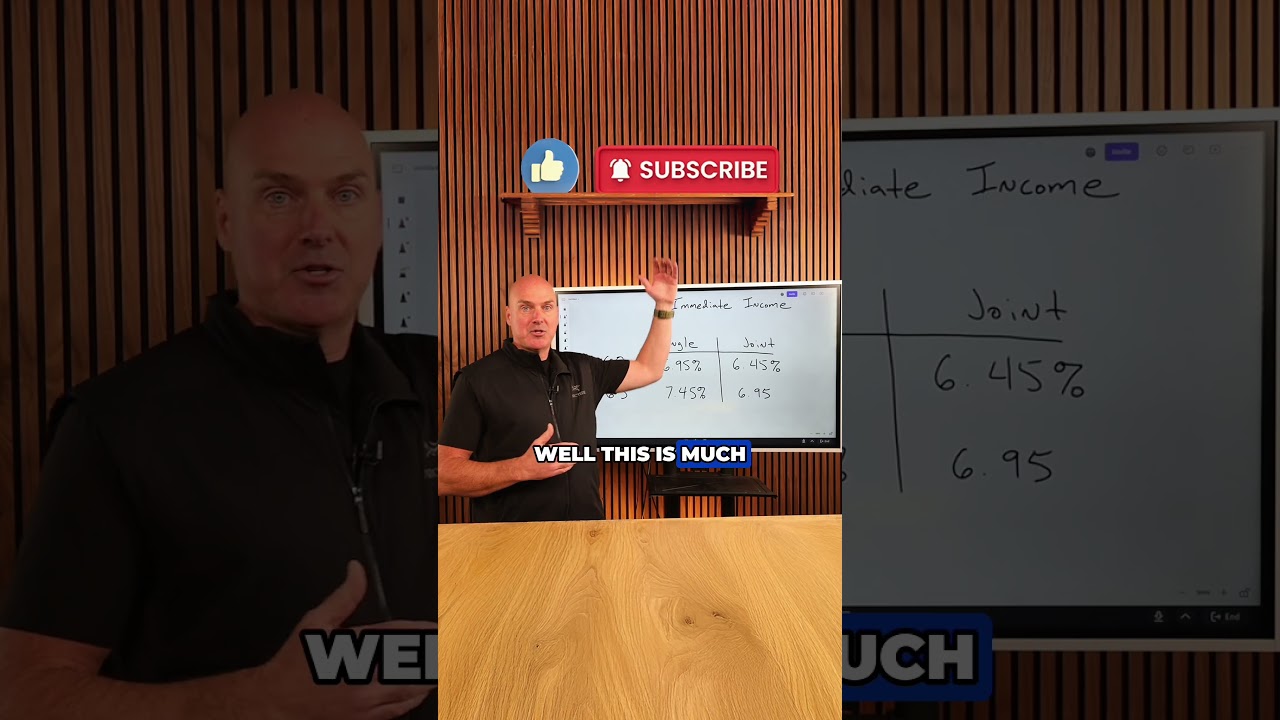
Annuities: These contracts, purchased from insurance companies, provide guaranteed income streams for a set period (fixed-term) or for life (lifetime annuity).
- Pros: Provides predictable income, eliminates longevity risk (the risk of outliving your savings), can offer inflation protection.
- Cons: Can be expensive, offer less flexibility than withdrawals, may not keep pace with inflation if not specifically designed to, some annuities have high fees and surrender charges. Carefully research the insurance company’s financial stability before purchasing.
-
Combination Approach (Withdrawals + Annuities): This strategy offers a blend of security and flexibility. You can allocate a portion of your 401(k) to an annuity for essential expenses and use systematic withdrawals from the remaining balance for discretionary spending.
- Pros: Balances income predictability with flexibility, reduces both longevity risk and market volatility impact.
- Cons: Requires careful planning and ongoing monitoring to ensure both strategies remain effective.
-
Target Retirement Funds: Many 401(k) plans offer these funds, which automatically adjust their asset allocation over time, becoming more conservative as you approach retirement. While not a direct income stream, they can simplify investment management and provide a relatively stable base for withdrawals.
- Pros: Hands-off approach, professionally managed, automatic asset allocation adjustments.
- Cons: May not perfectly align with individual risk tolerance or income needs, fees can vary.
3. Crucial Considerations Before Taking Action
- Taxes: Understand the tax implications of withdrawals. Distributions from traditional 401(k) plans are taxed as ordinary income. Roth 401(k) distributions are typically tax-free in retirement.
- Healthcare Costs: Factor in potential healthcare expenses, including Medicare premiums, supplemental insurance, and long-term care needs.
- Inflation: Inflation can erode the purchasing power of your savings. Consider strategies to protect your income stream from inflation, such as inflation-protected annuities or adjusting withdrawal rates over time.
- Longevity Risk: Planning for a long retirement is crucial. Life expectancy is increasing, so consider planning for at least 30 years of retirement.
- Spouse/Beneficiary: If married, consider how your income strategy will impact your spouse and beneficiaries.
4. Seek Professional Advice
Turning your 401(k) into a private pension can be complex. It’s highly recommended to consult with a qualified financial advisor who can assess your individual circumstances, help you develop a personalized retirement income plan, and navigate the various options available. A good advisor can help you:
- Analyze your financial situation and retirement goals.
- Create a sustainable withdrawal strategy.
- Evaluate different annuity options.
- Minimize taxes and maximize income.
- Monitor your plan and make adjustments as needed.
Conclusion
Turning your 401(k) into your own private pension is achievable with careful planning and informed decision-making. By understanding your options, considering your individual circumstances, and seeking professional advice, you can create a reliable income stream that will help you enjoy a comfortable and secure retirement. Don’t wait – start planning today!
LEARN MORE ABOUT: Retirement Annuities
REVEALED: How To Invest During Inflation
HOW TO INVEST IN GOLD: Gold IRA Investing
HOW TO INVEST IN SILVER: Silver IRA Investing



0 Comments