
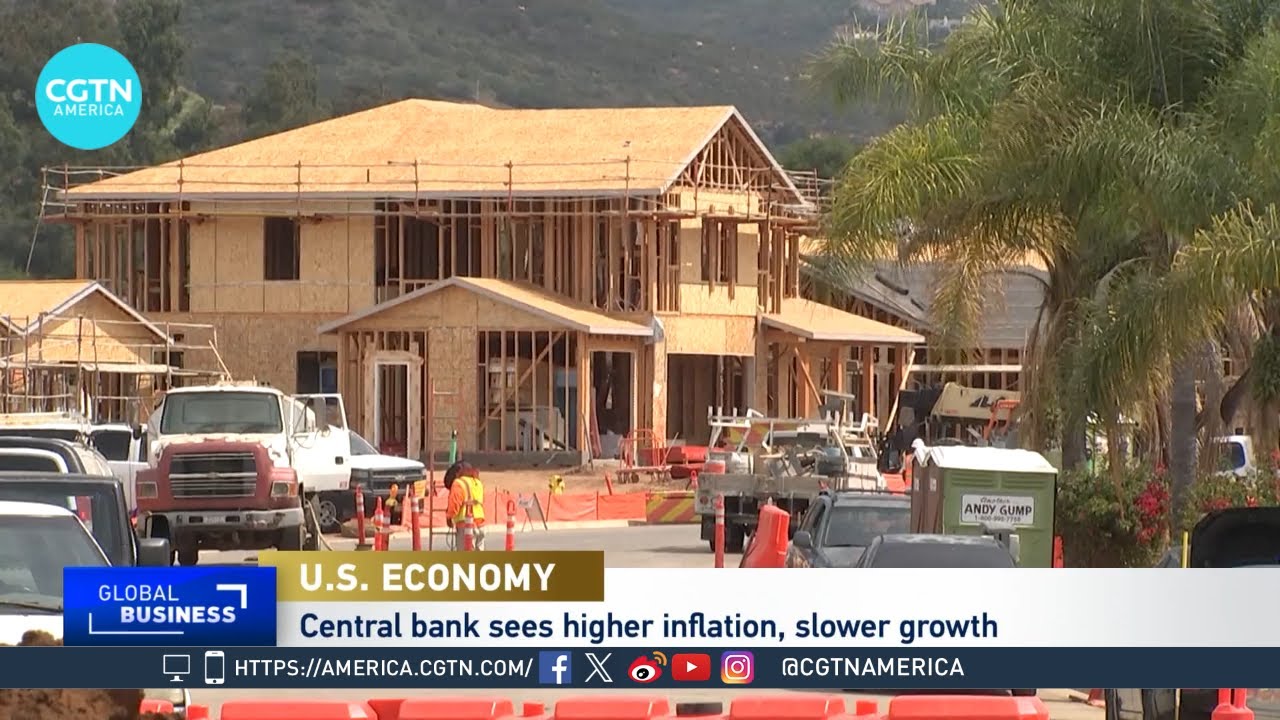

U.S. Fed Holds Interest Rates Steady, Signaling Potential for Further Hikes
Washington D.C. – In a widely anticipated move, the U.S. Federal Reserve held interest rates steady on Wednesday, leaving the benchmark federal funds rate in a target range of 5.25%-5.50%. This marks the second consecutive meeting where the Fed has refrained from raising rates, offering a potential respite to businesses and consumers grappling with higher borrowing costs.
However, the decision was accompanied by hawkish signals, indicating that the fight against inflation is far from over and that further rate hikes are still on the table depending on future economic data.
Why the Pause?
The Fed’s decision to hold steady comes as inflation, while still above the central bank’s 2% target, has shown signs of cooling in recent months. Data released prior to the meeting revealed a moderate increase in the Consumer Price Index (CPI), suggesting that previous rate hikes are beginning to have the desired effect of curbing demand.
“The Committee will continue to assess additional information and its implications for monetary policy,” the Fed’s statement read. “The Committee is prepared to adjust the stance of monetary policy as appropriate if risks emerge that could impede the attainment of the Committee’s goals.”
This cautious approach allows the Fed to observe the impact of its past actions on the economy, particularly in light of recent banking sector turmoil and concerns about a potential recession. Raising rates too aggressively could further tighten credit conditions and potentially trigger an economic downturn.
Hawkish Undertones: More Hikes on the Horizon?
Despite the pause, the Fed’s statement and the accompanying “dot plot” – which shows individual Fed officials’ projections for future interest rates – revealed a hawkish stance. The dot plot indicates that a majority of policymakers anticipate at least one more rate hike by the end of the year.
This suggests that the Fed remains concerned about the persistence of inflation, particularly in areas like the labor market, where wage growth continues to outpace productivity gains. The tight labor market, coupled with strong consumer spending, could fuel inflationary pressures in the coming months.
Impact on Global Business:
The Fed’s decision has significant implications for global businesses operating in and trading with the U.S.:
- Borrowing Costs: Holding rates steady provides some relief to businesses, particularly those with significant dollar-denominated debt. However, the potential for further hikes means that companies should remain cautious about taking on new debt and focus on managing existing liabilities.
- Currency Fluctuations: The U.S. dollar’s strength often hinges on expectations of Fed policy. A more hawkish Fed usually strengthens the dollar, making U.S. exports more expensive and imports cheaper. Companies involved in international trade need to closely monitor currency movements and hedge against potential volatility.
- U.S. Demand: The U.S. remains a crucial market for many global businesses. The Fed’s actions will influence consumer spending and overall economic activity in the U.S. A sharp slowdown in the U.S. economy could significantly impact global demand.
- Supply Chains: The Fed’s fight against inflation also affects global supply chains. Higher interest rates can lead to reduced demand and potentially ease supply chain bottlenecks. However, a global recession triggered by aggressive rate hikes could further disrupt supply chains.
- Investment Flows: A more hawkish Fed can attract foreign investment into the U.S., as investors seek higher returns. This can lead to increased capital flows and potentially affect asset prices globally.
Looking Ahead:
The future trajectory of U.S. interest rates remains uncertain and highly dependent on incoming economic data. Businesses should pay close attention to inflation reports, labor market data, and indicators of economic activity. They should also consider the potential impact of further rate hikes on their operations and develop strategies to mitigate risks.
The global economy is facing a complex and challenging environment, and the U.S. Federal Reserve’s monetary policy decisions will continue to play a crucial role in shaping the global business landscape. Companies that are proactive and adaptable will be best positioned to navigate the uncertainties and capitalize on emerging opportunities.
LEARN MORE ABOUT: Investing During Inflation
REVEALED: Best Investment During Inflation
HOW TO INVEST IN GOLD: Gold IRA Investing
HOW TO INVEST IN SILVER: Silver IRA Investing




0 Comments