
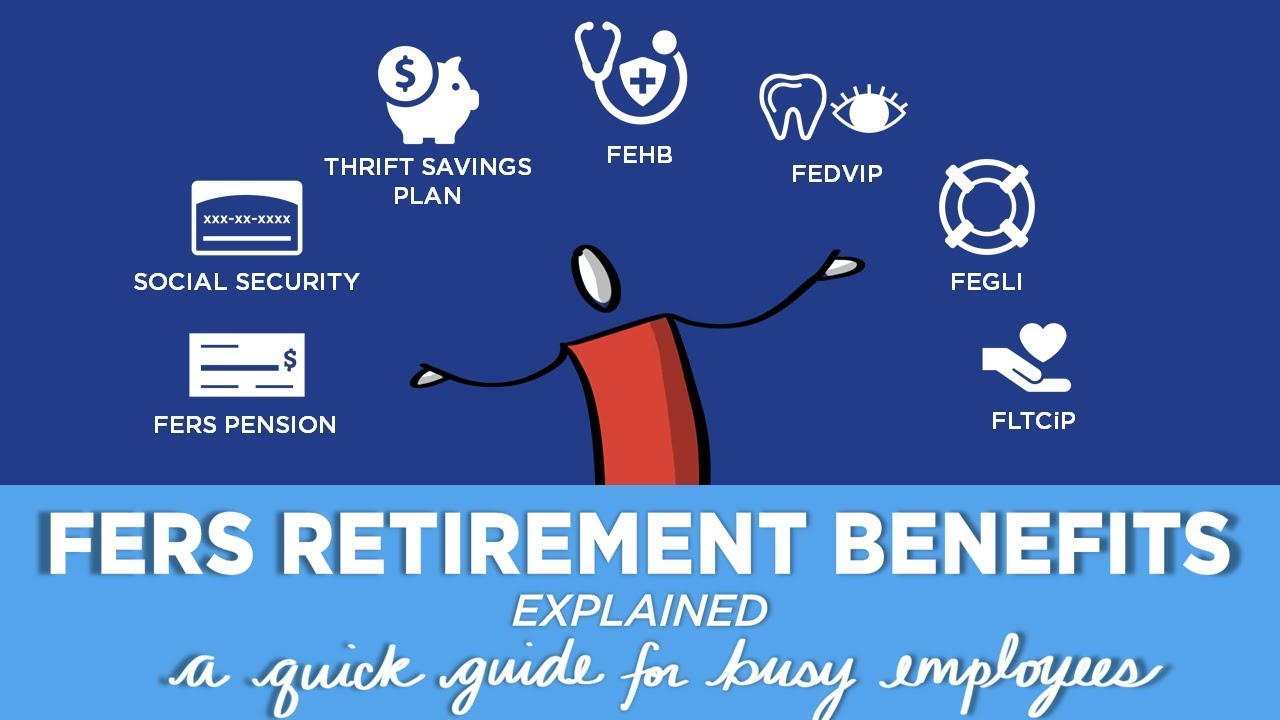

FERS Retirement Benefits Explained: A Quick Guide for Busy Employees
As a federal employee in the United States, understanding the Federal Employees Retirement System (FERS) is crucial for planning your future. FERS is a retirement plan that provides federal employees with a range of benefits, including pensions, Social Security, and the Thrift Savings Plan (TSP). This guide aims to break down the key components of FERS retirement benefits so that you can navigate your planning effectively, even with a busy schedule.
Understanding FERS: The Basics
FERS was established in 1986, providing a structured retirement system for federal employees. It consists of three main components:
-
FERS Basic Benefit Plan: A defined benefit plan that provides a lifetime monthly pension.
-
Social Security Benefits: Employees pay into Social Security during their career and are eligible for benefits upon retirement.
- Thrift Savings Plan (TSP): A retirement savings plan similar to a 401(k) that allows federal employees to contribute a portion of their salary, with optional agency matching contributions.
1. FERS Basic Benefit Plan
The FERS Basic Benefit Plan is a foundational element of your retirement benefits. Here’s how it works:
-
Eligibility: To qualify for a pension, you must have completed at least five years of creditable service. The amount you receive depends on your length of service and salary.
-
Pension Calculation: The formula for calculating your pension is:
[
text{Pension} = (text{Years of Service} times text{High-3 Average Salary}) times text{Pension Factor}
]The pension factor is typically 1.0% for regular employees and 1.1% for those who retire at age 62 or later with at least 20 years of service.
- Retirement Age: You can retire at different ages depending on your years of service:
- Minimum Retirement Age (MRA): Between 55 and 57 (depending on birth year) with at least 30 years of service or age 60 with at least 20 years of service.
- Early Retirement: Eligibility is possible under certain conditions if you meet MRA with at least 10 years of service.
2. Social Security Benefits
In addition to the pension from FERS, you will also qualify for Social Security benefits. Here are some key points:
-
Contributions: FERS employees contribute to Social Security via payroll taxes. This means you’re building a second layer of retirement income.
-
Benefits: Your Social Security benefits will be based on your average indexed monthly earnings and the number of years you paid into the system.
- Claiming Benefits: You can start receiving Social Security benefits as early as age 62, but your benefit amount will be reduced if you claim benefits before your full retirement age.
3. Thrift Savings Plan (TSP)
The TSP is a powerful tool for retirement savings, and understanding its features can significantly impact your retirement readiness:
-
Employee Contributions: Employees can contribute up to 100% of their basic pay, up to the annual IRS limit.
-
Agency Contributions: The government matches the first 5% of your contributions, a valuable addition to your savings.
-
Investment Options: The TSP offers various investment funds, including government securities, corporate bonds, and stock options, allowing you to tailor your retirement portfolio according to your risk tolerance.
- Withdrawal Options: Upon retirement, you have several options for withdrawing your TSP savings, including lump-sum distributions and regular withdrawals.
Planning Your Retirement
To maximize your FERS benefits, keep these strategies in mind:
-
Understand Your Benefits: Take time to familiarize yourself with each component of FERS and how they can work together.
-
Plan Early: Start planning for retirement as early as possible. This will give you time to evaluate your savings, expenses, and lifestyle expectations.
-
Monitor Your TSP Contributions: Regularly review your contributions and adjust them as needed to meet your retirement goals.
- Consult with a Retirement Specialist: If you’re unsure about your plans, consider seeking advice from a financial planner who specializes in federal retirements.
Conclusion
Navigating FERS retirement benefits may seem overwhelming, especially for busy employees. However, understanding the key components—FERS Basic Benefit Plan, Social Security, and TSP—can empower you to make informed decisions about your future. By taking proactive steps and planning ahead, you can ensure a secure and fulfilling retirement. Start today, and enjoy the peace of mind that comes with knowing you’re prepared for the years to come.
LEARN MORE ABOUT: Retirement Pension Plans
REVEALED: Best Investment During Inflation
HOW TO INVEST IN GOLD: Gold IRA Investing
HOW TO INVEST IN SILVER: Silver IRA Investing




0 Comments