


Why Inflation is Rising and What You Can Do About It
Inflation is a term that’s become increasingly prominent in economic discussions, particularly in light of recent global events. It refers to the general rise in prices of goods and services, which can erode purchasing power and impact financial stability. Understanding why inflation is rising and knowing how to navigate it are crucial for consumers and businesses alike.
Factors Contributing to Rising Inflation
1. Supply Chain Disruptions
The COVID-19 pandemic caused significant disruptions in global supply chains. Lockdowns and restrictions hindered production and transportation, leading to shortages. As demand rebounded while supply struggled to keep pace, prices increased.
2. Increased Demand
As economies reopened, consumer demand surged. Stimulus measures in various countries provided citizens with disposable income, further fueling demand for goods and services. However, supply chains were not ready to accommodate this sudden increase, leading to higher prices.
3. Rising Energy Costs
Energy prices have seen substantial increases, driven by geopolitical tensions and production cuts. Higher fuel prices ripple through the economy, causing costs for transportation, manufacturing, and ultimately, consumer goods to rise.
4. Labor Market Dynamics
Labor shortages in several sectors have led to higher wages as companies compete for workers. While wage growth can be positive, it can also contribute to inflation as businesses pass on increased labor costs to consumers.
5. Monetary Policy
Central banks, particularly during economic crises, often engage in expansive monetary policies, such as lowering interest rates and increasing money supply. While these measures stimulate economic growth, they can also lead to inflation if the supply of money grows faster than the economy.
What You Can Do About It
1. Review Your Budget
Take a closer look at your monthly expenses. Identify areas where you can cut back to manage increased prices. Prioritizing essential items over discretionary spending can help you adjust to rising costs.
2. Invest Wisely
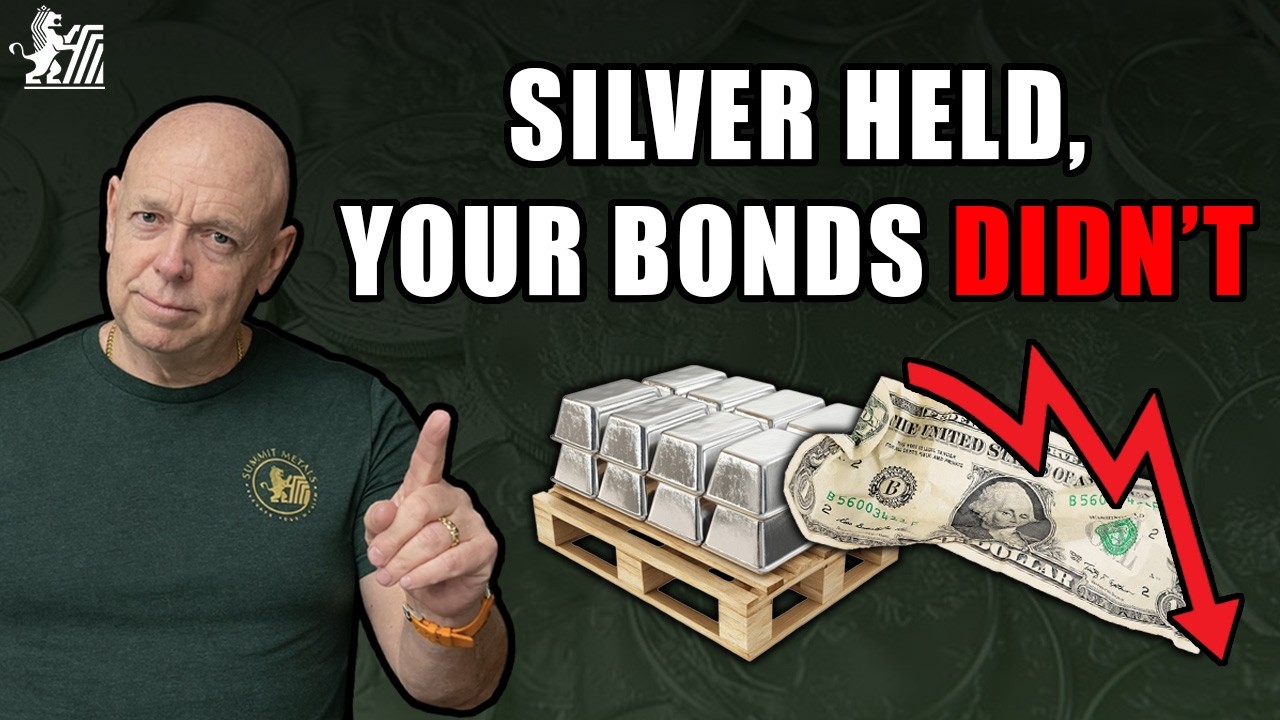
Consider diversifying your investments to hedge against inflation. Assets like real estate, commodities, and certain stocks can provide a buffer as their values might rise with inflation.
3. Lock in Fixed Rates
If you’re considering taking on debt, opt for fixed-rate loans. This approach helps you avoid potential rate increases in the future, allowing you to manage repayments more effectively amidst rising inflation.
4. Use Energy Efficient Solutions
Implementing energy-efficient solutions can help mitigate rising energy costs. Simple changes, such as using LED lighting or high-efficiency appliances, can reduce overall energy consumption.
5. Stay Informed
Keep abreast of economic developments and inflation trends. Understanding the economic environment can help you make informed financial decisions and adapt as needed.
6. Consider Side Gigs
If feasible, explore ways to increase your income through side jobs or freelance work. Additional earnings can help offset the financial impact of inflation.
Conclusion
Rising inflation is a complex issue influenced by various economic factors. While it may be challenging to control external variables, consumers can take proactive measures to mitigate the effects of inflation on their finances. By staying informed and making strategic financial decisions, individuals and businesses can navigate these turbulent economic waters more effectively.
LEARN MORE ABOUT: Precious Metals IRAs
HOW TO INVEST IN GOLD: Gold IRA Investing
HOW TO INVEST IN SILVER: Silver IRA Investing
REVEALED: Best Investment During Inflation



0 Comments