
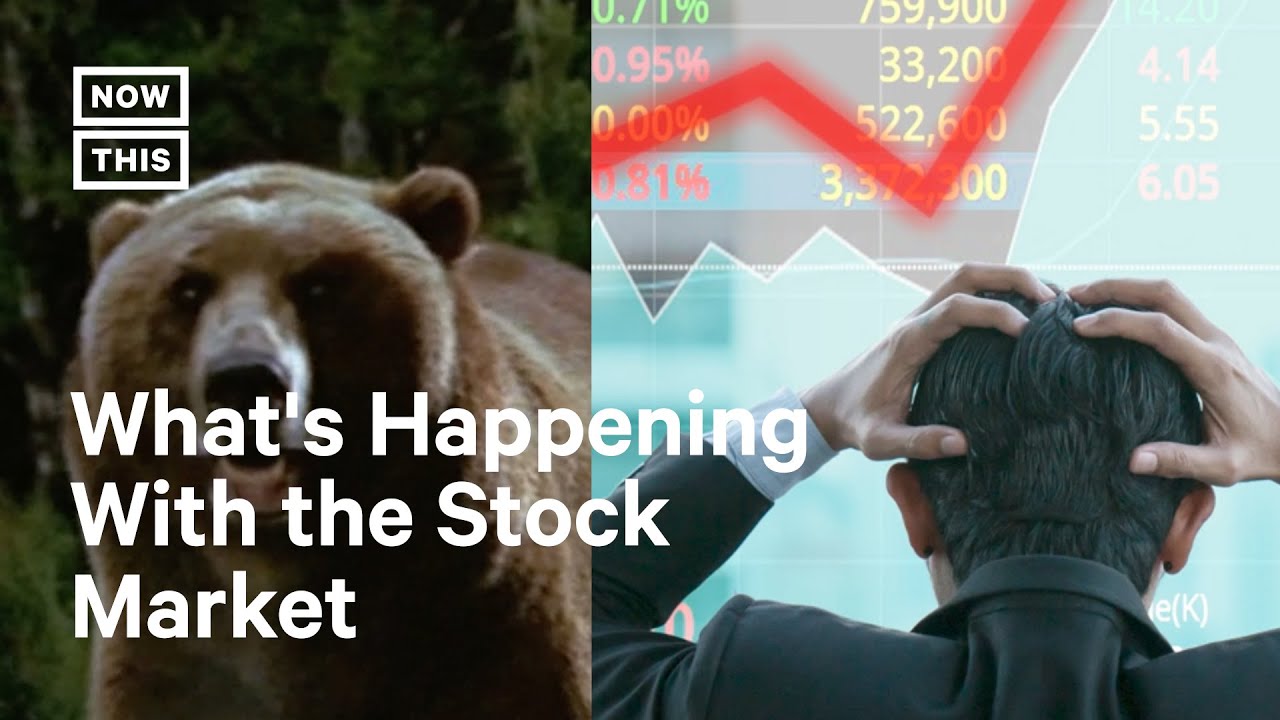

Understanding a Bear Market: Implications for the U.S. Economy
As financial markets fluctuate, investors and economists alike often encounter terms like "bull market" and "bear market." While the former signifies a rising market, a bear market is characterized by a prolonged decline in investment prices, usually defined as a drop of 20% or more from recent highs. This phenomenon is not merely a quirk of financial terminology; it has significant implications for the broader U.S. economy.
What Causes a Bear Market?
Bear markets can be triggered by a variety of factors, including:
- Economic Recession: A downturn in economic growth can lead to a decline in corporate profits, prompting a sell-off in stocks.
- High Inflation: Rising prices can squeeze consumer spending and lead to tighter monetary policy, which can dampen economic activity.
- Interest Rate Hikes: When the Federal Reserve increases interest rates to combat inflation, borrowing costs rise, potentially slowing down business investments and consumer spending.
- Geopolitical Events: Wars, trade disputes, or other significant disturbances can contribute to uncertainty, pushing investors to retreat from the market.
- Market Sentiment: Psychological factors, such as fear and panic, can lead to widespread selling, even in the absence of fundamental economic issues.
Economic Implications of a Bear Market
The impact of a bear market often ripples throughout the economy, influencing various sectors and stakeholders:
-
Consumer Confidence: A declining stock market can erode consumer confidence. Households tend to rely on their investments as part of their overall financial health. If the value of retirement accounts and investments decreases, consumers may cut back on spending, which can further exacerbate economic slowdowns.
-
Business Investment: Companies often view a bear market as a signal to tighten their belts. With declining stock prices, firms may find it difficult to raise capital, leading to reduced investments in growth initiatives, hiring, and innovation. This can hinder long-term economic growth.
-
Employment Rates: A downturn in business investment can affect job creation and retention. Companies in distress may resort to layoffs, which can increase unemployment rates and further decrease consumer spending.
-
Financial Institution Strain: Banks and financial institutions could find themselves under pressure as loan defaults may rise. The uncertainty surrounding asset valuations can lead lenders to tighten credit, making it harder for individuals and businesses to borrow. This further restricts economic activity.
- Government Response: Policymakers may respond to a bear market and its economic fallout through various measures, such as fiscal stimulus (tax cuts or increased public spending) and monetary easing (lowering interest rates). These interventions aim to stabilize the economy but can take time to implement and show results.
The Broader Picture: Market Cycles and Resilience
It is crucial to understand that bear markets are a natural part of financial cycles and often precede recoveries. History has shown that bear markets can lead to significant buying opportunities for long-term investors. While short-term pain is inevitable, the U.S. economy has proven resilient, frequently rebounding from downturns.
Conclusion
A bear market is more than just a collection of declining stock prices; it represents a shift in economic dynamics that can have profound effects on consumer behavior, business operations, and government policy. Understanding these implications helps investors, businesses, and policymakers navigate the complexities of economic cycles. The key takeaway is that while bear markets signal challenging times, they are typically part of a larger economic narrative that includes recovery and growth. The ability to adapt and respond to these cycles is essential for maintaining economic stability and promoting long-term financial health.
LEARN ABOUT: Investing During Inflation
REVEALED: Best Investment During Inflation
HOW TO INVEST IN GOLD: Gold IRA Investing
HOW TO INVEST IN SILVER: Silver IRA Investing




Proving that economists make up words to make finances illegible to the average person.
“Yes, the coyote factor could turn the bear to a bull, but eagles and lavender are hot cakes in modern metrics. You should diversify your hedge into compound indexes and split your DUM shares to bust the bubble of speculative injunctive divestment”
Invest in companies you think will still exist by the time you need the money.
The stock market has no impact on the average person. This news means literally nothing
yeah…..lol…..its not a "Bear" market…..its a "Bare", as in "Empty"….it has become "Bear" in the past 2 generations of """"highly educated"""" children of ours…..Just like "Nuclear" became "Nukular" during Bush. Throw away those stupid phones, buy a book…read…strive towards some basic general education before making videos!!!!