
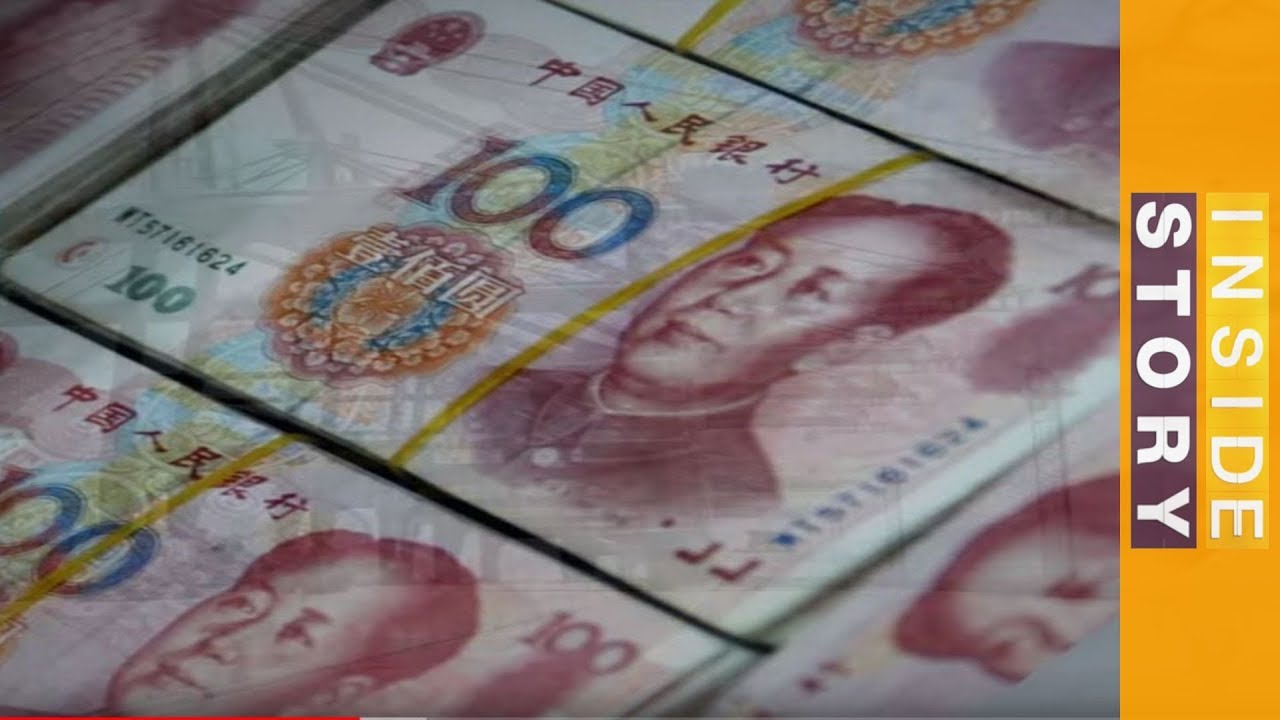

Title: Unpacking the Slowdown: Inside the Recent Trends of the Chinese Economy
Introduction
As one of the world’s largest economies, China has been a powerhouse of growth for decades, often demonstrating resilience through global economic downturns. However, recent indicators suggest that the Chinese economy is experiencing a significant slowdown. This article explores the multifaceted reasons behind this phenomenon, analyzing the implications for China and the global economy.
1. COVID-19 Aftermath
The COVID-19 pandemic had a profound impact on economies worldwide, and China was no exception. After initially demonstrating robust containment and recovery, the country now grapples with the complex long-term effects of lockdowns and supply chain disruptions. The zero-COVID policy, which was updated in late 2022, led to widespread restrictions that hampered production, disrupted commerce, and stifled consumer confidence. As businesses struggled to rebound fully, the lingering effects of the pandemic became evident in slower economic growth.
2. Real Estate Crisis
China’s real estate sector, a cornerstone of its economy, has come under intense pressure over the past few years. Major property developers like Evergrande faced insolvency, leading to a crisis of confidence in the housing market. House prices have plummeted, leaving many Chinese citizens in a state of financial distress. The real estate bubble, which fueled significant economic growth, is now deflating, resulting in a sharp decline in investment and consumer spending associated with housing. This slowdown in construction and real estate sales has had cascading effects across various sectors, further stalling economic momentum.
3. Demographic Challenges
China’s demographic landscape is rapidly changing. The country is facing an aging population coupled with a declining birth rate, raising concerns about labor force sustainability and economic productivity. The traditional reliance on a large, young workforce is diminishing, leading to reduced consumer spending and increased pressure on public services. As the population ages, the demand for healthcare and pensions grows, diverting resources that might otherwise be invested in growth-oriented initiatives.
4. Geopolitical Tensions and Trade Relations
Rising tensions between China and other major economies, particularly the United States, have contributed to economic uncertainty. Tariffs, trade restrictions, and sanctions have created challenges for Chinese exporters and diminished foreign investment. The U.S.-China trade war and competition for technological superiority have resulted in a more isolationist stance from both countries, complicating supply chains and reducing the efficiency of global trade. As uncertainty lingers, investors and businesses may adopt a more cautious approach, further dampening economic growth.
5. Domestic Policy Shifts
In response to these challenges, the Chinese government has implemented significant policy changes aimed at stabilizing the economy. The shift from an export-driven model to one focused on domestic consumption is a long-term goal. However, achieving this transition has been more arduous than expected. Efforts to curb excessive leveraging in the corporate sector and regulate technology firms have created uncertainty, deterring investment in some areas and slowing innovation.
6. Environmental Concerns and Energy Transition
China has also been navigating environmental challenges, with a need to shift towards sustainable practices and reduce carbon emissions. Initiatives aimed at achieving carbon neutrality by 2060 have led to a transition in energy policies. While beneficial for long-term sustainability, this transformation has resulted in short-term economic adjustments, impacting industries heavily reliant on fossil fuels.
Conclusion
The slowdown of the Chinese economy is a complex interplay of various factors, from the lingering effects of the pandemic to structural demographic changes and geopolitical tensions. While the Chinese government remains committed to revitalizing growth through domestic consumption and innovation, the path forward is fraught with challenges.
As the world watches, the implications of this slowdown will reverberate not only across China’s borders but throughout the global economy. In a world increasingly interconnected, the trajectory of the Chinese economy will have significant consequences on trade, investment, and economic stability in the years to come. Understanding the nuances of this slowdown is essential for economists, policymakers, and business leaders looking to navigate the evolving landscape of international commerce.
BREAKING: Recession News
REVEALED: Best Investment During Inflation
HOW TO INVEST IN GOLD: Gold IRA Investing




No need an e expert to figure it out cheap labor pay cannit give the low dirt cheap labor to have the buying piwer with cost luving in major developed city they have to eat less and save as much as they can to survive domestic comsumption dies not work with cheap labir and high cost livibg
22:40 !!