


Unlock 10%-20% Higher Retirement Payouts (Without Taking More Risk): It’s All About Strategy
Retirement is the golden era many of us dream of. But turning those dreams into reality requires meticulous planning, particularly when it comes to generating income from your hard-earned savings. Many retirees and pre-retirees worry about outliving their money, and the current economic climate, with inflation and market volatility, only amplifies those concerns.
The good news is, you might be able to boost your retirement payouts by 10%-20% (or even more in some cases) without taking on additional risky investments. The secret? It’s not about chasing higher returns, but about optimizing your asset allocation and leveraging strategic withdrawal strategies.
Here’s how you can potentially unlock those hidden gains:
1. The Power of Sequence of Returns Risk Mitigation:
One of the biggest threats to retirement income is the “sequence of returns risk.” This means that negative returns early in your retirement can significantly deplete your savings, making it harder to recover later on. Here’s how to mitigate it:
-
The Bucket Strategy: This involves dividing your retirement savings into different “buckets” based on time horizon.
- Bucket 1 (Immediate Needs): 1-3 years of living expenses in very safe, liquid investments like high-yield savings accounts or short-term CDs.
- Bucket 2 (Intermediate Term): 3-7 years of expenses in a mix of bonds, dividend-paying stocks, and possibly some real estate.
- Bucket 3 (Long-Term Growth): The remainder of your portfolio in a diversified mix of stocks, bonds, and other growth assets, designed to outpace inflation over the long term.
The bucket strategy provides a cushion against market downturns. You draw from the safe “Bucket 1” during volatile periods, allowing your growth assets in “Bucket 3” time to recover.
-
Early Retirement Rebalancing: In the first few years of retirement, consider rebalancing your portfolio more frequently. If your stock allocation drops due to market losses, rebalance by selling bonds and buying stocks while they’re “on sale.” This can help you benefit from eventual market recoveries.
2. Optimizing Your Asset Allocation:
The traditional advice of shifting to a more conservative portfolio in retirement isn’t always the best strategy, especially if you have a long retirement horizon.
- Don’t Be Afraid of Growth (Responsibly): Inflation is a constant threat to your purchasing power. A portfolio heavily weighted in low-yielding bonds may not provide enough growth to keep up with rising costs. Consider maintaining a significant allocation to equities (stocks) for long-term growth, even in retirement.
- Diversify, Diversify, Diversify: Diversification remains crucial. Don’t put all your eggs in one basket. Consider a mix of stocks, bonds, real estate (if appropriate), and even alternative investments (like private equity or infrastructure) depending on your risk tolerance and financial situation.
- Tax-Advantaged Accounts: Optimize the use of your tax-advantaged accounts (401(k)s, IRAs, Roth IRAs). Consider Roth conversions strategically to minimize taxes on future withdrawals.
3. Strategic Withdrawal Strategies:
How you withdraw your money is just as important as how you invest it.
- The 4% Rule (and Beyond): The 4% rule, while a good starting point, isn’t a one-size-fits-all solution. It suggests withdrawing 4% of your initial retirement savings each year, adjusted for inflation. However, consider customizing your withdrawal rate based on your specific circumstances, including your:
- Life expectancy: Living longer requires a lower withdrawal rate.
- Spending needs: Are your expenses fixed, or are they likely to fluctuate?
- Investment performance: Be flexible and adjust your withdrawals based on market conditions.
- Dynamic Spending Strategies: This involves adjusting your spending based on market performance. In good years, you might increase your spending a bit. In bad years, you might cut back on discretionary expenses.
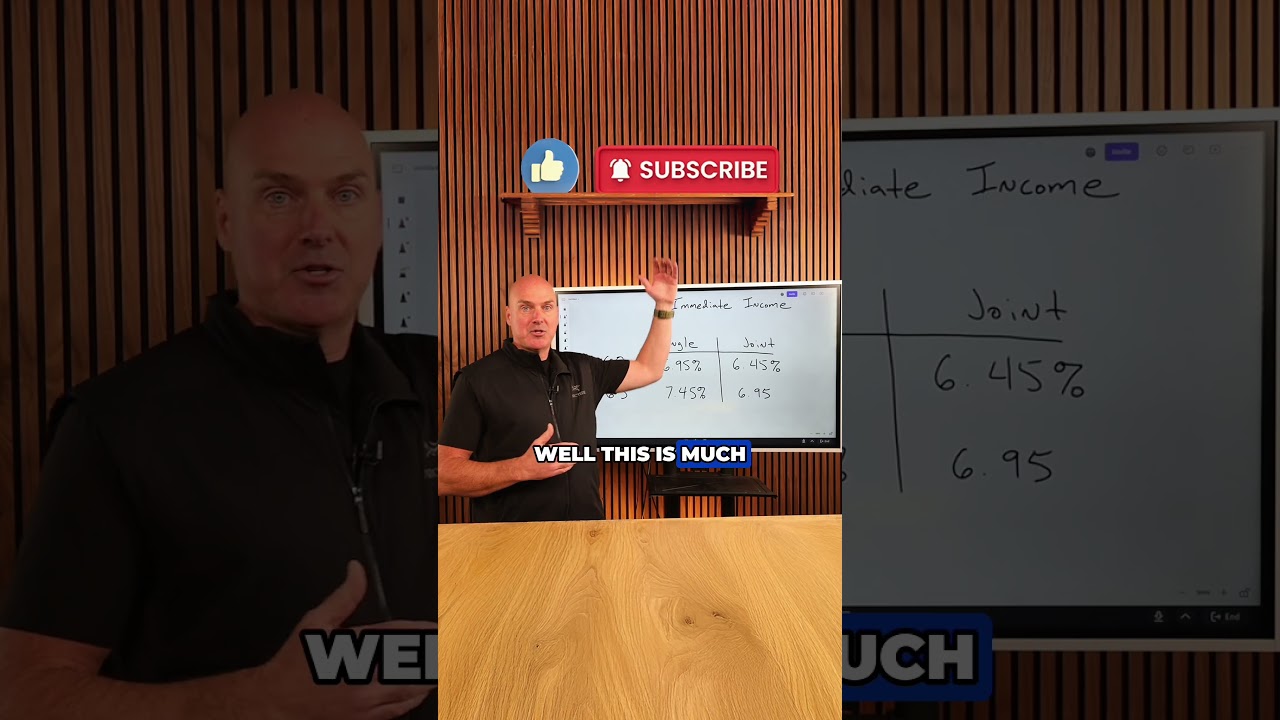
- Consider an Annuity (Carefully): While annuities can be complex and come with fees, they can provide guaranteed income for life. Consider a Single Premium Immediate Annuity (SPIA) if you’re concerned about outliving your money, but be sure to shop around and understand the terms and fees involved.
4. Seek Professional Guidance:
This is perhaps the most crucial step. Retirement planning is complex, and everyone’s situation is unique.
- Consult a Financial Advisor: A qualified financial advisor can help you assess your individual needs, risk tolerance, and time horizon, and create a personalized retirement plan that incorporates these strategies.
- Fee-Only Advisors: Consider working with a fee-only advisor, who is compensated solely by fees paid by you, rather than commissions. This helps ensure that their advice is unbiased and aligned with your best interests.
The Bottom Line:
Unlocking a 10%-20% increase in retirement payouts isn’t about taking wild risks. It’s about understanding the intricacies of retirement income planning, optimizing your asset allocation, leveraging strategic withdrawal strategies, and seeking professional guidance. By taking a proactive approach, you can significantly improve your chances of enjoying a secure and fulfilling retirement.
Disclaimer: This article provides general information and should not be considered financial advice. Consult with a qualified financial advisor before making any investment decisions. Retirement planning involves risk, and there is no guarantee that you will achieve your financial goals. Past performance is not indicative of future results.
LEARN MORE ABOUT: Retirement Annuities
REVEALED: How To Invest During Inflation
HOW TO INVEST IN GOLD: Gold IRA Investing
HOW TO INVEST IN SILVER: Silver IRA Investing



Do you ever worry you’re focusing too much on growth and not building a guaranteed income for life?
Thank you for providing these strategies for seniors.
Visit our channel HERE! –> https://www.youtube.com/@kciis/videos