

Maximize Your Portfolio: The Power of Combining Vanguard ETFs
In the world of investing, building a well-diversified portfolio is crucial for long-term success. And for those seeking low-cost, broad market exposure, Vanguard ETFs (Exchange Traded Funds) have become a cornerstone. But simply buying one Vanguard ETF isn’t always the most efficient strategy. By strategically combining different Vanguard ETFs, you can tailor your portfolio to your specific risk tolerance, investment goals, and time horizon, potentially maximizing your returns while managing risk.
Why Combine Vanguard ETFs?
The beauty of Vanguard ETFs lies in their simplicity, low expense ratios, and broad diversification. Combining them amplifies these advantages, allowing you to:
- Fine-Tune Your Asset Allocation: Asset allocation, the mix of different asset classes in your portfolio (stocks, bonds, real estate, etc.), is the primary driver of long-term returns. Combining Vanguard ETFs allows you to precisely control the percentage allocated to each asset class. Want a more aggressive growth portfolio? Increase your allocation to stock ETFs. Seeking stability and income? Increase your allocation to bond ETFs.
- Target Specific Sectors and Industries: While broad market ETFs like VTI (Total Stock Market ETF) offer excellent diversification, you might want to overweigh specific sectors you believe will outperform. Vanguard offers sector-specific ETFs (e.g., VGT for Technology, VHT for Healthcare) that allow you to target these areas without picking individual stocks.
- Optimize for Tax Efficiency: Certain Vanguard ETFs might be more tax-efficient in taxable accounts than others. By strategically choosing which ETFs to hold in which accounts (taxable vs. tax-advantaged), you can minimize your tax burden and keep more of your investment gains.
- Customize Your Bond Exposure: Vanguard offers a range of bond ETFs covering different maturities (short-term, intermediate-term, long-term), credit qualities (treasuries, corporate bonds), and inflation protection (TIPS). Combining these allows you to tailor your fixed income portfolio to your specific needs and market outlook.
- Simplify Rebalancing: A diversified portfolio drifts over time as different asset classes perform differently. Combining Vanguard ETFs makes rebalancing, the process of bringing your portfolio back to its target allocation, simpler and more efficient.
Popular Vanguard ETF Combinations:
Here are some common strategies for combining Vanguard ETFs:
-
The “Three-Fund Portfolio”: This popular strategy provides broad diversification with just three ETFs:
- VTI (Total Stock Market ETF): Represents the entire U.S. stock market.
- VXUS (Total International Stock ETF): Represents the international stock market.
- BND (Total Bond Market ETF): Represents the U.S. bond market.
The allocation between these ETFs can be adjusted based on your risk tolerance.
-
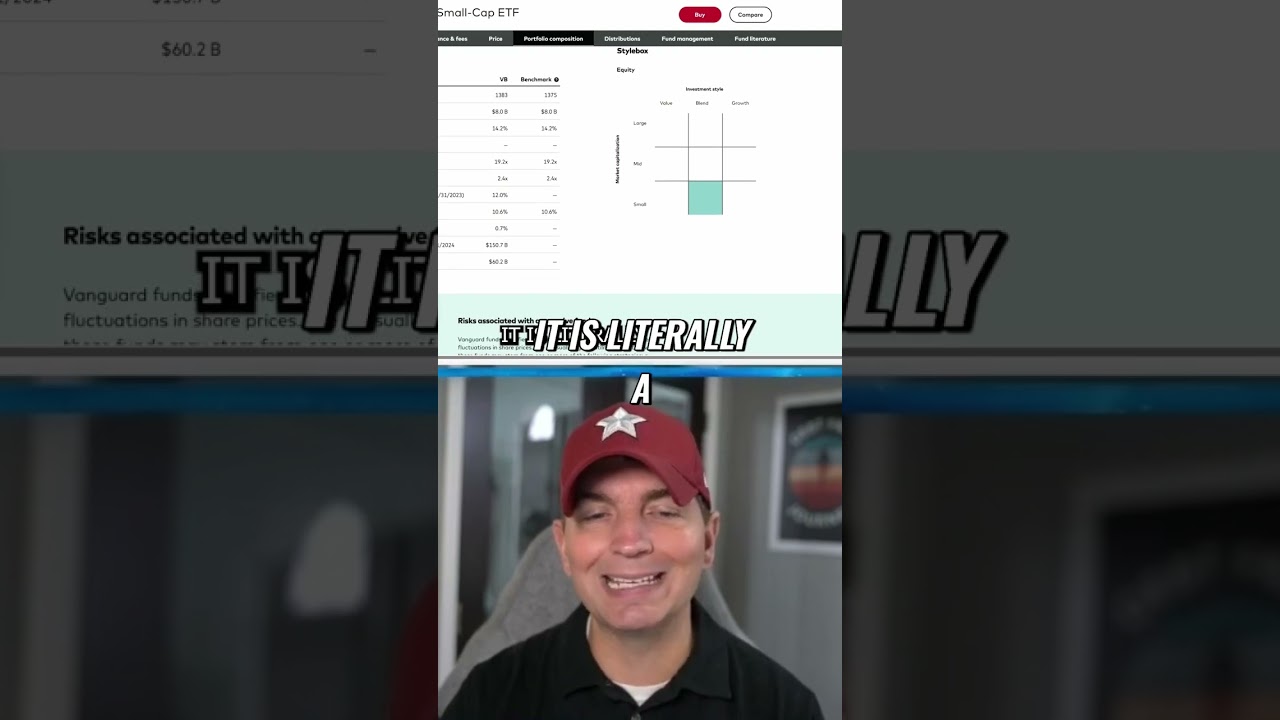
Adding Small-Cap Exposure: For those seeking potentially higher growth, adding VBR (Small-Cap Value ETF) can enhance returns. This ETF focuses on smaller, undervalued companies, which historically have outperformed large-cap stocks over the long term.
-
Incorporating Real Estate: For exposure to the real estate market, consider adding VNQ (Real Estate ETF). This provides diversification beyond stocks and bonds and can act as an inflation hedge.
-
Building a Target Retirement Fund Alternative: Vanguard also offers Target Retirement Funds (e.g., VFFVX). You can replicate a similar allocation by combining individual Vanguard ETFs (VTI, VXUS, BND) and automatically adjust your asset allocation over time to become more conservative as you approach retirement.
Important Considerations Before Combining Vanguard ETFs:
- Define Your Investment Goals: Before diving in, clearly define your investment goals (e.g., retirement, buying a home) and your time horizon.
- Assess Your Risk Tolerance: Understand your comfort level with market fluctuations and potential losses. A more conservative investor will favor a higher allocation to bonds, while an aggressive investor will lean towards stocks.
- Keep Costs Low: Vanguard ETFs are known for their low expense ratios, but it’s still important to be mindful of costs, including brokerage commissions (if applicable).
- Rebalance Regularly: Schedule regular rebalancing to maintain your target asset allocation.
- Consult a Financial Advisor: If you’re unsure how to build a portfolio or choose the right Vanguard ETFs for your needs, consider consulting a qualified financial advisor.
Conclusion:
Combining Vanguard ETFs is a powerful strategy for building a diversified, low-cost portfolio tailored to your specific needs. By understanding your investment goals, risk tolerance, and the various Vanguard ETF offerings, you can create a portfolio that maximizes your potential for long-term success. Remember to do your research, keep costs low, and rebalance regularly to stay on track towards your financial goals. The power of combining Vanguard ETFs lies in its simplicity and flexibility, putting you in control of your financial future.
LEARN MORE ABOUT: IRA Accounts
INVESTING IN A GOLD IRA: Gold IRA Account
INVESTING IN A SILVER IRA: Silver IRA Account
REVEALED: Best Gold Backed IRA



0 Comments