
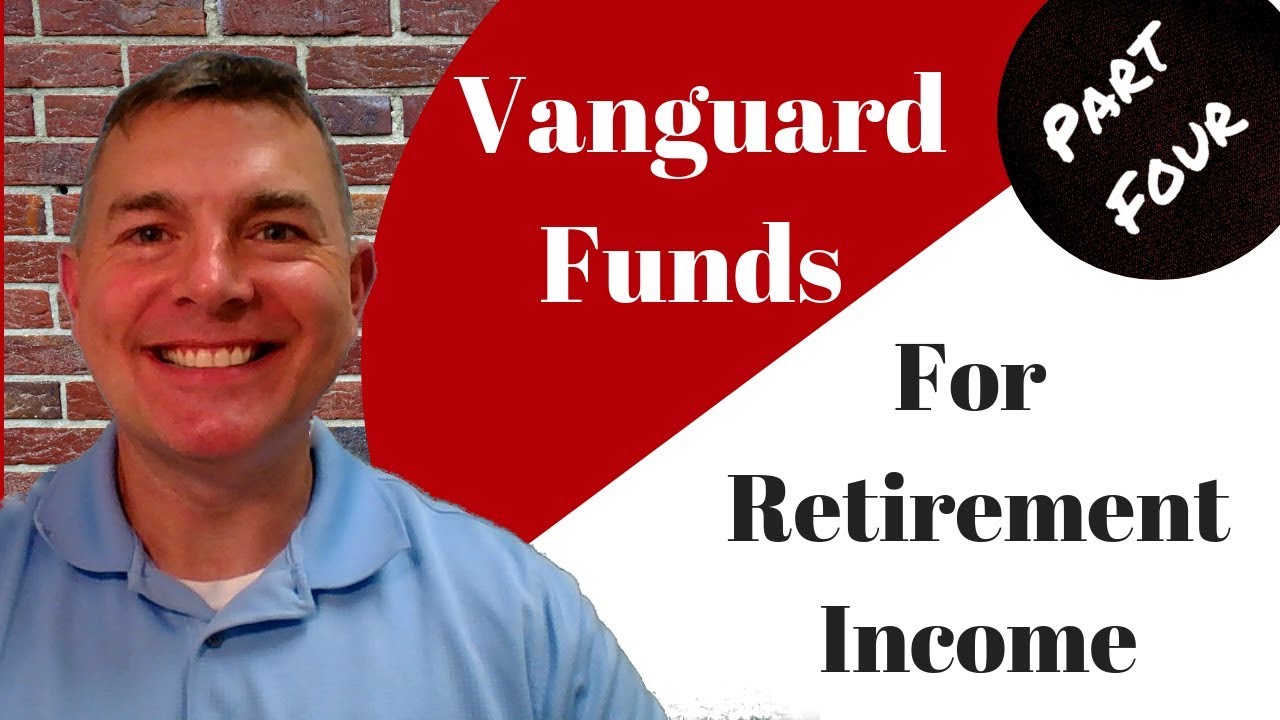

Vanguard Funds for Retirement Income – Part 4: Optimizing Your Portfolio for Steady Income
As we continue our exploration of Vanguard Funds for retirement, this fourth installment emphasizes the critical importance of portfolio optimization for generating a steady income stream during retirement. In previous parts, we examined the fundamentals of Vanguard Funds, the benefits of using these low-cost investment options, and how to select the right funds for your retirement strategy. This article focuses on the strategies and considerations necessary to tailor your portfolio for reliability and longevity in retirement income.
Understanding Retirement Income Needs
Before diving into specific strategies, it is essential to understand your retirement income needs. Evaluating your expenses, lifestyle preferences, and life expectancy plays a vital role in determining how much income you will require from your portfolio. Consider the following steps:
-
Assess Your Expenses: Calculate your monthly and annual expenses, including essential costs (housing, utilities, groceries) and discretionary spending (travel, hobbies).
-
Account for Taxes: Understand how different sources of income—like Social Security, pension distributions, and withdrawals from retirement accounts—will be taxed.
-
Inflation Considerations: Factor in inflation and how it could erode your purchasing power over time. A conservative estimate is to plan for a 2-3% inflation rate annually.
- Longevity Planning: Consider your family history and personal health to estimate how long you might need to draw income from your retirement funds.
Creating a Balanced Portfolio
A well-structured portfolio is crucial for sustaining retirement income. Vanguard offers a range of funds suitable for generating income, including:
1. Bond Funds
Bond funds, particularly those invested in U.S. Treasuries, municipal bonds, or corporate bonds, can provide a more stable income stream. Some popular options include:
-
Vanguard Total Bond Market Index Fund (VBTLX): This fund offers exposure to a diversified mix of U.S. investment-grade bonds, making it an excellent choice for conservative investors seeking consistent interest income.
- Vanguard Intermediate-Term Investment-Grade Fund (VFICX): This actively managed fund invests in high-quality bonds and may offer slightly higher yields than the total bond market fund.
2. Dividend Growth Funds
Investing in funds that focus on dividend-paying stocks can provide both income and potential growth. These funds are typically more volatile than bonds but can offer greater long-term returns:
- Vanguard Dividend Growth Fund (VDIGX): This fund targets companies with a strong track record of paying and increasing dividends, providing you with regular income and capital appreciation potential.
3. Balanced Funds
Balanced funds combine both equities and fixed income, providing diversification with a single investment. They can help mitigate risk while generating income:
- Vanguard Wellington Fund (VWELX): This balanced fund invests in both stocks and bonds, allowing for growth and income-generation, making it a solid choice for retirees who prefer a conservative approach.
Implementing a Withdrawal Strategy
Once you have a solid portfolio established, the next step is devising a withdrawal strategy to efficiently access your retirement income. Here are some popular strategies:
1. The 4% Rule
Traditionally, the 4% rule suggests withdrawing 4% of your portfolio annually, adjusted for inflation. While simple, it’s essential to reassess your withdrawal rate periodically, considering market conditions and your investment returns.
2. Bucket Strategy
This approach divides your portfolio into "buckets" based on when you’ll need the funds. For instance, short-term needs (1-5 years) are covered by conservative investments (like cash or short-term bonds) in the first bucket, middle-term needs by a mix of growth and income (like balanced funds), and long-term growth (stocks) in the final bucket.
3. RMDs and Tax Efficiency
For those who have traditional retirement accounts, managing Required Minimum Distributions (RMDs) tax-efficiently can help maintain sustainability in your income strategy. Consider withdrawing from taxable accounts first to allow for tax-deferred growth in retirement accounts longer.
Regular Reviews and Adjustments
Regularly reviewing and adjusting your portfolio based on market performance, changing expenses, and evolving goals is vital. Vanguard provides numerous tools and resources to aid investors in analyzing their portfolio and making adjustments as needed.
Conclusion
Setting up a retirement income strategy using Vanguard Funds involves a careful assessment of your income needs, crafting a balanced portfolio, implementing effective withdrawal strategies, and conducting regular reviews. By focusing on steady income through a mix of bonds, dividend-paying stocks, and diversified funds, you can foster financial security and peace of mind during your retirement years. Remember, the goal is to create a sustainable income plan that aligns with your lifestyle choices and investment philosophies, ensuring that you enjoy this meaningful phase of your life to the fullest.
Stay tuned for the final installment, where we will discuss potential pitfalls to avoid in retirement investing and how to best position your portfolio for the long term.
LEARN MORE ABOUT: IRA Accounts
INVESTING IN A GOLD IRA: Gold IRA Account
INVESTING IN A SILVER IRA: Silver IRA Account
REVEALED: Best Gold Backed IRA



Fantastic video series Josh. I really appreciate how you educate us and give us comparisons to think about. #respect
Im thinking of starting this strategy after this correction in the matket. Thanks.
Glad I found your channel…interesting set of vids. Im 58 and designing my retirement plan now.
My money is on VASGX with 5% withdrawals. I’d love to be wrong. Locking in gains has a soothing feel, but nothing ventured, nothing gained.
Well done – awesome study
This group of videos are so interesting.
Sir understand this is for retirement planning, Anyway is it possible to start at 50 yrs of age, while still working . Please advise on this regards.