
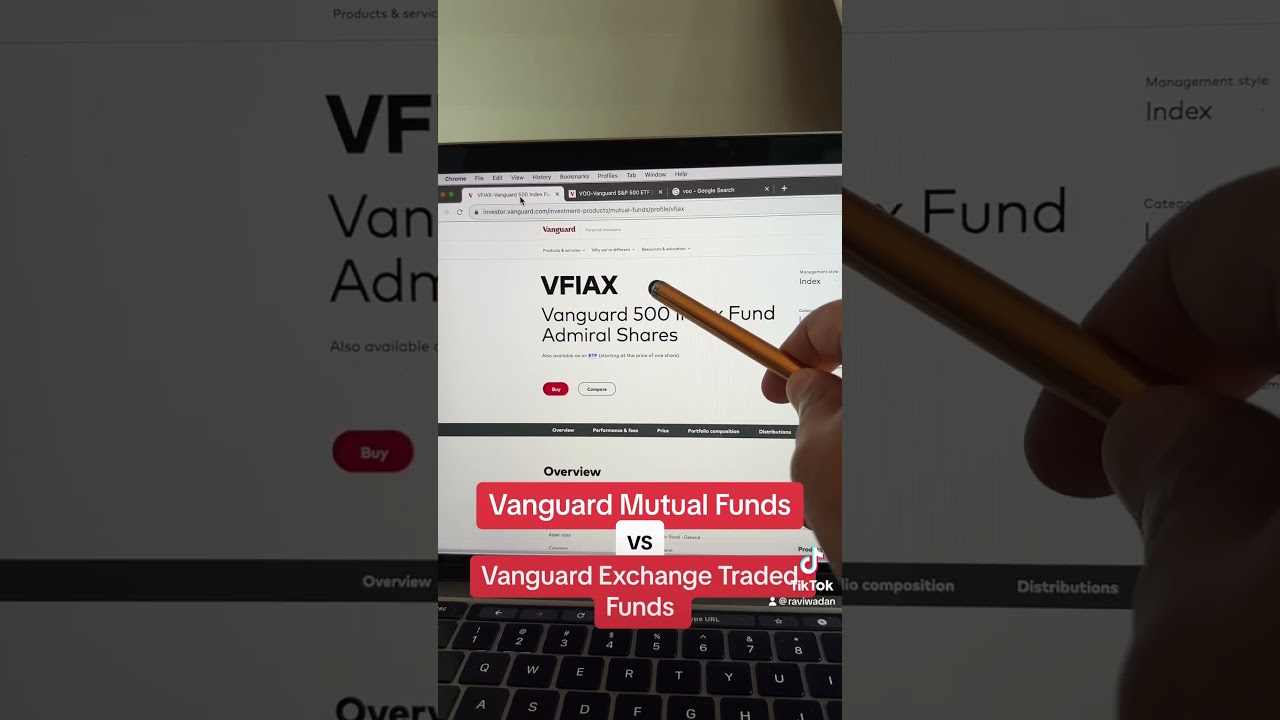

Don’t Buy Vanguard Mutual Funds?! A Contrarian Perspective
Vanguard, the titan of low-cost investing, is often lauded as the go-to choice for building a solid portfolio. But before you blindly follow the herd and pump your hard-earned cash into their mutual funds, let’s explore a contrarian perspective: reasons why Vanguard mutual funds might not be the perfect solution for everyone.
The Emperor’s New Clothes: Are Low Costs Enough?
Vanguard’s claim to fame is, undoubtedly, their incredibly low expense ratios. This is a huge advantage, eating away less of your returns over time. However, focusing solely on low costs can be a trap. Consider these potential downsides:
- Index Tracking Limitation: Many Vanguard mutual funds are passively managed, tracking a specific index like the S&P 500. While this offers broad market exposure, it means you’re stuck with the performance of that index, even if you believe there are better opportunities elsewhere. You’re essentially accepting average returns.
- Lack of Active Management Expertise: Active management, where fund managers actively select investments to outperform the market, gets a bad rap for often underperforming the index. However, skilled active managers can identify undervalued assets or navigate volatile markets more effectively than a passive index fund. Vanguard’s focus on passive investing means you’re missing out on the potential for outperformance, even if it comes with higher fees.
- Limited Customization: Need a fund focused on a specific sector, ethical investing, or a unique investment strategy? Vanguard’s offerings, while vast, might not cater to every niche. If you have specific investment goals or preferences, you might find more tailored options elsewhere.
- Size Matters (and Can Hurt): Vanguard’s sheer size can be a disadvantage. Managing massive amounts of capital can limit their ability to invest in smaller, more nimble companies. This can hinder performance, especially in niche sectors or emerging markets.
- Potential for Tracking Error: While designed to mimic their underlying index, Vanguard’s index funds can sometimes deviate slightly due to factors like fund expenses and portfolio adjustments. This “tracking error” can subtly impact your returns over time.
Beyond the Basics: Considering Alternatives
Instead of blindly opting for Vanguard, consider these alternative strategies:
- Individual Stocks: If you’re comfortable with research and risk, building your own portfolio of individual stocks can offer greater control and potentially higher returns. However, this requires significant time, knowledge, and discipline.
- Alternative ETFs: The ETF landscape has exploded with options. Many ETFs offer similar low costs to Vanguard but with more specific focuses, such as thematic investing or factor-based strategies.
- Active Management, Selectively: Don’t dismiss active management entirely. Research and identify skilled fund managers with a proven track record of outperforming their benchmarks. Be prepared to pay higher fees, but the potential for higher returns might justify the cost.
- Robo-Advisors: Robo-advisors offer automated portfolio management based on your risk tolerance and investment goals. They often utilize ETFs, including Vanguard funds, but provide a more hands-off approach.
The Bottom Line: Context is Key
Vanguard’s low-cost mutual funds are undeniably a great option for many investors, particularly those seeking broad market exposure and long-term growth. However, it’s crucial to understand their limitations and consider whether they align with your specific financial goals, risk tolerance, and investment expertise.
Don’t be swayed by the hype. Do your own research, consider alternative strategies, and make informed decisions based on your unique circumstances. Vanguard is a valuable tool, but it’s not the only one in the toolbox. Remember, the best investment strategy is the one that works best for you.
Disclaimer: This article provides general information and does not constitute financial advice. Consult with a qualified financial advisor before making any investment decisions.
LEARN MORE ABOUT: IRA Accounts
INVESTING IN A GOLD IRA: Gold IRA Account
INVESTING IN A SILVER IRA: Silver IRA Account
REVEALED: Best Gold Backed IRA



0 Comments