
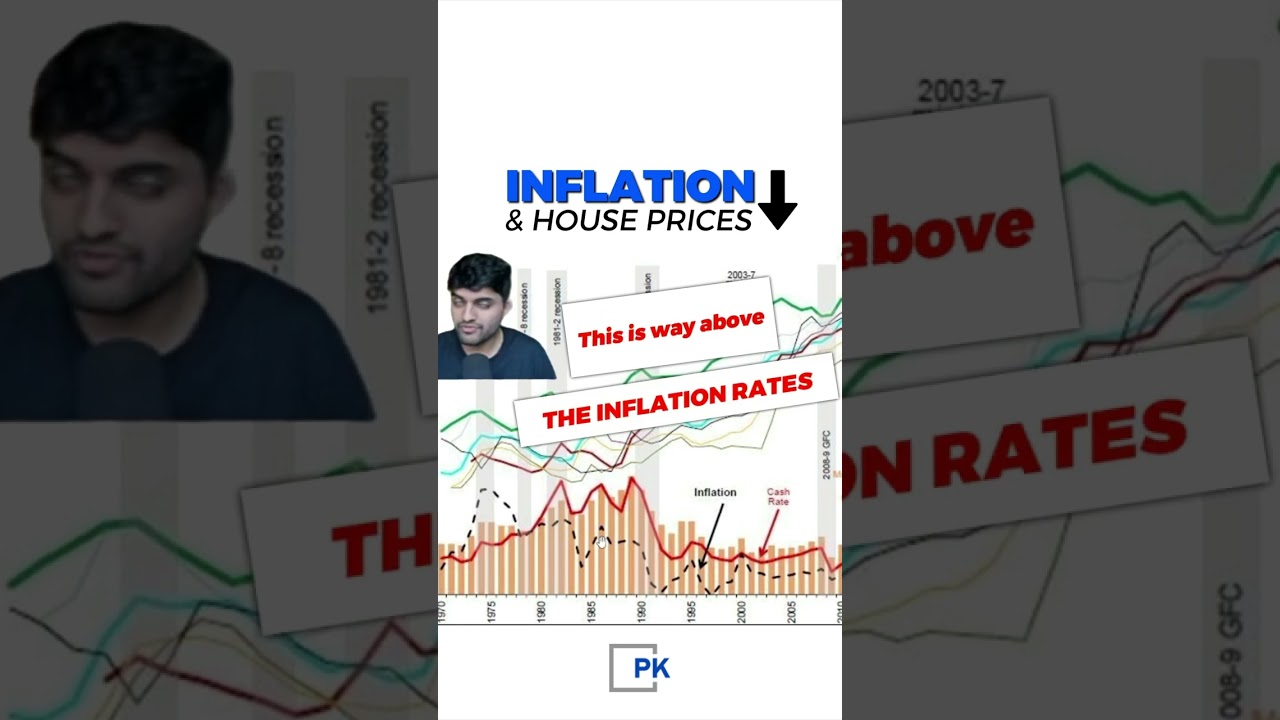

When Inflation Goes Up, House Prices Do THIS 😮
Inflation is a significant economic factor that affects nearly every aspect of our lives, from grocery bills to housing costs. But what exactly happens to house prices when inflation rises? The relationship between inflation and the real estate market can be complex, but understanding it is crucial for both potential homebuyers and investors.
Understanding Inflation
Inflation refers to the rate at which the general level of prices for goods and services is rising, subsequently eroding purchasing power. When inflation increases, currency value decreases, meaning you need more money to buy the same product. As a result, people often seek out tangible assets to preserve their wealth, leading to increased demand for real estate.
The Impact of Inflation on House Prices
1. Increased Demand for Tangible Assets
During periods of high inflation, individuals tend to invest in assets that are more likely to retain their value. Real estate is often viewed as a safer investment compared to cash, which loses value over time. This increased demand can lead to higher home prices as more buyers enter the market seeking property as a hedge against inflation.
2. Rising Construction Costs
Inflation often leads to higher costs for materials and labor in the construction industry. When developers face increased expenses, they tend to pass these costs onto consumers, resulting in higher home prices. This can slow down new housing development and exacerbate supply shortages, further driving up prices.
3. Interest Rates and Mortgage Costs
Typically, central banks raise interest rates to combat inflation. While higher rates can slow down the economy, they also mean higher mortgage costs for potential buyers. Higher borrowing costs can initially temper demand for homes, but the long-term view often sees homebuyers adjusting to new rates and entering the market, ultimately keeping prices stable or increasing.
4. Wage Growth and Buying Power
In times of inflation, wages often rise as well, albeit not always at the same pace as living costs. If wage growth keeps up with or exceeds inflation, buyers may actually have more buying power, which can sustain demand for homes. This phenomenon can maintain or boost house prices, especially in desirable areas where the job market is strong.
5. Investor Behavior
Inflation can also influence investor behavior. Many real estate investors view property as a good hedge against inflation, which can lead to increased competition in the market. Investors often buy additional properties during inflationary periods, intending to capitalize on rising rents and property values. This demand can significantly impact home prices, pushing them higher.
Conclusion
While inflation certainly creates challenges in the economy, it also profoundly impacts the housing market. Generally, when inflation rises, house prices tend to go up, driven by increased demand, rising construction costs, and shifting investor behavior. For potential homebuyers and investors, it’s essential to stay informed about economic indicators and trends, as understanding inflation’s effects can help make better real estate decisions.
Whether you’re buying your first home or looking to invest, recognizing how inflation interacts with the housing market is key to navigating this ever-changing landscape. Stay proactive, keep an eye on economic trends, and remember that knowledge is power when making significant financial choices in real estate.
LEARN ABOUT: Investing During Inflation
REVEALED: Best Investment During Inflation
HOW TO INVEST IN GOLD: Gold IRA Investing
HOW TO INVEST IN SILVER: Silver IRA Investing




0 Comments