


When Should You Take Money Out of Your retirement account to Pay Off Your Mortgage?
Deciding whether to withdraw money from your retirement account to pay off your mortgage is a significant financial decision with long-term implications. With the right planning and understanding of your situation, you can navigate this choice wisely. Here are key considerations to help you determine whether this is the right move for you.
Understanding Retirement Accounts and Their Purpose
Retirement accounts, such as 401(k)s and IRAs, are designed to help you save and grow money for your retirement years. These accounts often provide tax advantages, allowing you to defer taxes on contributions and earnings until withdrawal. However, taking money out before retirement can incur taxes and penalties, depending on your age and the type of account.
Pros and Cons of Paying Off Your Mortgage Early
Pros:
-
Peace of Mind: Paying off your mortgage can provide psychological relief. Owning your home outright reduces monthly expenses and financial stress.
-
Cost Savings: Eliminating your mortgage means saving on interest payments over the life of the loan, which can be significant.
- Simplified Finances: A mortgage-free life can simplify your budget and financial planning, especially in retirement.
Cons:
-
Tax Implications: Withdrawing funds from retirement accounts usually incurs taxes. If you are under 59½, you might also face a 10% early withdrawal penalty, potentially diminishing the financial benefits of paying off the mortgage.
-
Lost Growth Potential: Money taken out of retirement accounts loses potential tax-deferred growth. This can be particularly significant if you have decades until retirement, as compound interest can greatly increase the value of your investments.
- Impact on Retirement Security: Using retirement funds to pay off a mortgage could jeopardize your financial stability in retirement, particularly if unanticipated expenses arise.
When to Consider This Move
-
High-Interest Mortgage: If you have a high-interest mortgage, it may make sense to consider paying it off. Calculate the effective interest rate of your mortgage and compare it to your expected return on investment from your retirement accounts.
-
Financial Hardship: If you are facing financial hardship and are struggling to make your mortgage payments, accessing retirement funds may provide a short-term solution. However, this should be approached carefully, weighing all consequences.
-
Improvement in Cash Flow: If eliminating your mortgage significantly improves your cash flow and helps you adjust your budget for retirement, it may be worth the consideration.
-
Retirement Timeline: If you are nearing retirement and have a solid income, paying off the mortgage might give you a sense of security, knowing that you won’t have that expense in retirement.
- Emergency Fund Status: Ensure that you have a robust emergency fund before withdrawing from retirement accounts. Tapping into retirement savings should not deplete your emergency funds, which are vital for unexpected expenses.
Strategies to Consider
-
Partial Payment: Instead of withdrawing the entire amount needed to pay off your mortgage, consider a partial withdrawal that significantly reduces the balance, allowing you to keep some funds invested for growth.
-
Refinancing: Explore refinancing options to secure a lower interest rate on your mortgage, reducing payments without tapping retirement savings.
- Consult a Financial Advisor: Given the complexities involved in retirement planning, consulting with a financial advisor can provide personalized insights and strategies that best fit your situation.
Conclusion
Withdrawing money from your retirement account to pay off your mortgage is a decision that should be approached with caution. While paying off your mortgage can provide peace of mind and financial savings, the potential tax implications and long-term impacts on your retirement savings cannot be overlooked. By assessing your personal financial situation, exploring alternative options, and seeking professional advice, you can make an informed decision that aligns with your financial goals and retirement plans.
LEARN MORE ABOUT: Retirement Annuities
REVEALED: How To Invest During Inflation
HOW TO INVEST IN GOLD: Gold IRA Investing
HOW TO INVEST IN SILVER: Silver IRA Investing

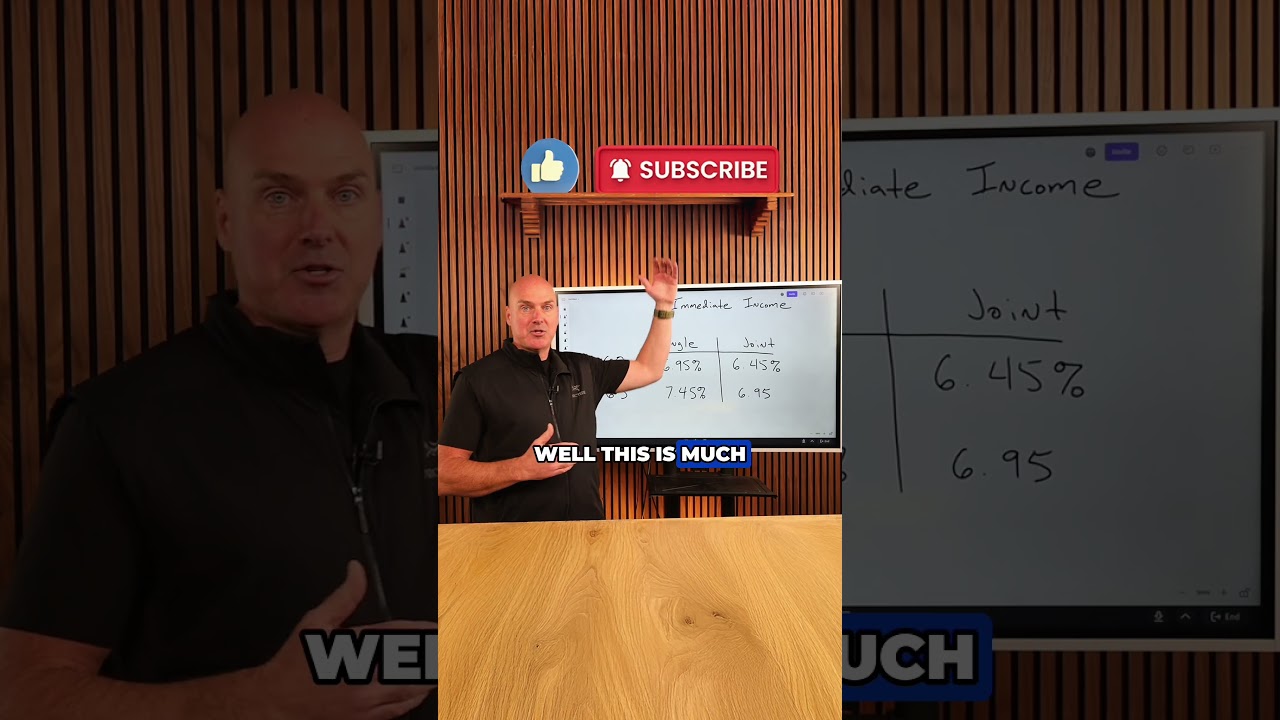


A couple of key points are missing from this example. First, one wouldn’t necessarily have to pull from equities. Bonds have been under-performing for quite some time, so that might be an appropriate bucket. And, a reference to down the road tax savings should be made. If $120k is pulled today to pay off a home, while tax brackets are incredibly low, it’s very likely tax saving opportunities exist, especially when RMD’s kick in, just like they would if $120k is pulled to dump $100k into a Roth account, and using the other $20k to pay taxes on the transaction.
So what if you have a ROTH and you make principal payments from the gains each month?
I appreciate that you did this on purely the financial part of the equation since it's the only part you can quantify. Then it's up to the individual to decide if that is worth carrying a mortgage or not. I also liked the fact the example you used matches up well in my case. Thanks for sharing great info.
Great advice! Well explained too. Thanks
I agree to the extent that it pays to take advantage yearly of your current tax bracket and take a withdrawal that would keep you just shy of the next bracket and pay that to the principal yearly. That would allow you to pay the mortgage quicker and still maximize gains yearly. And if it’s a bad year for gains you can skip doing this that year and wait for a better year.
Would you take out a home equity loan to invest in the stock market? I assume most people would say no. Not paying off your mortgage is the same thing. Owning your home free and clear gives you not only peace of mind, but also reduces risk. I think risk and emotion should have been part of this conversation. I think the question of whether to withdraw from your 401k varies by person and how much you have saved vs. how you much you need in the future should be discussed here. Just my two cents.
Never heard anything on risk. Would be nice to have that apart of the conversation
Sooo… if you are within 4 years of (early) retirement, would you pay off the mortgage by liquidating conventional after-tax brokerage assets? Or would it make sense to keep a mortgage in retirement? I would be fine either way, but, like you said, there is something to be said about the peace of mind of being debt-free.
What about paying cash for a house with money from a Roth when you retire?
What if you pull the money out of your Roth?
Great advice!