
[ad_2]
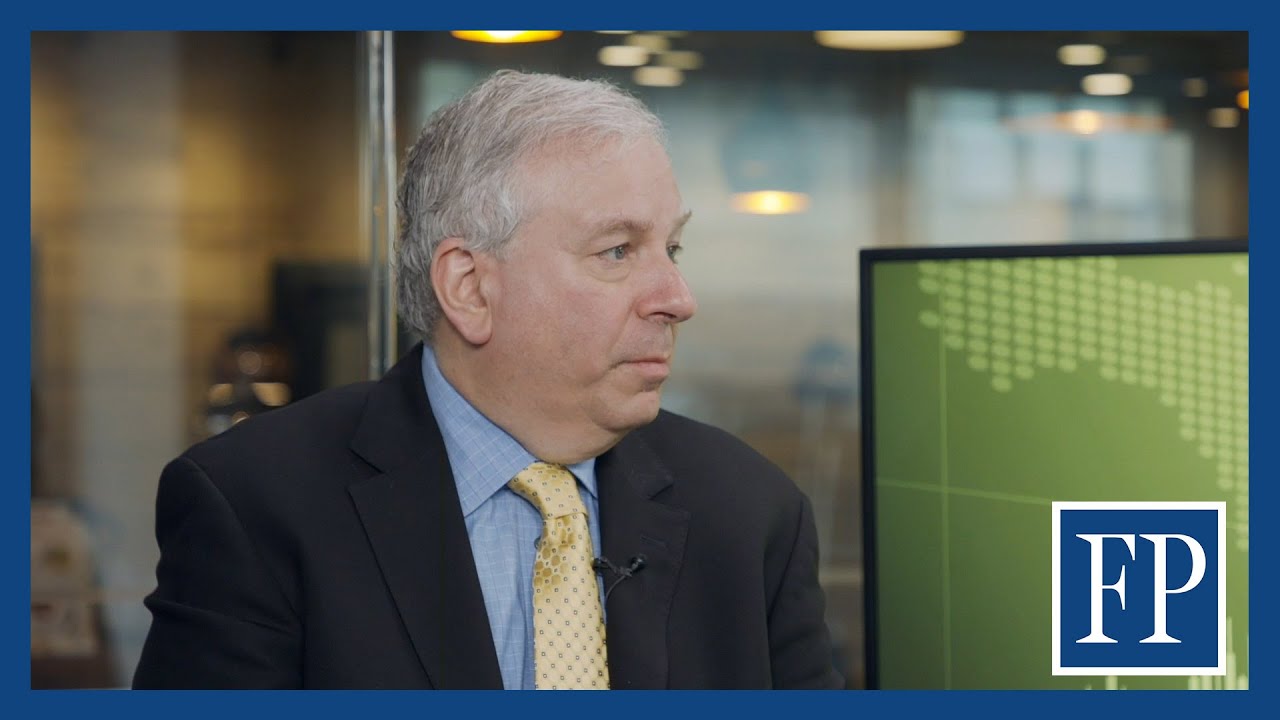
When the Share Buyback Craze Stops, This Bull Market Stops: Insights from David Rosenberg
In the landscape of finance and investment, the conversation around share buybacks has garnered significant attention, especially as economic policies continue to evolve. Notably, economist and market strategist David Rosenberg has recently highlighted the crucial relationship between share buybacks and the sustainability of the current bull market. His insights provide a vital understanding of how corporate behavior impacts market dynamics and investor sentiment.
Understanding Share Buybacks
At its core, a share buyback occurs when a company purchases its own shares from the marketplace, effectively reducing the total number of outstanding shares. This process can create a perception of value, as it often leads to an increase in earnings per share (EPS), thereby boosting stock prices. In recent years, many corporations have leaned heavily into this practice, largely using the strong cash reserves built up during the post-financial crisis era to reward investors.
The Buyback Boom: A Bullish Indicator?
Rosenberg’s analysis suggests that the ongoing bull market has been significantly propelled by these buyback programs. With companies prioritizing shareholder returns, the influx of capital into stock prices has fostered a bullish sentiment among investors. According to Rosenberg, this phenomenon indicates that the equity markets have effectively become reliant on corporate buybacks to maintain their ascent.
The Risks of Overreliance
However, this reliance on buybacks raises critical questions about the durability of the bull market. Rosenberg warns that the unsustainable nature of this trend may usher in a period of volatility if the tide turns. If economic conditions shift—whether due to higher interest rates, inflation concerns, or a shift in corporate earnings—the ability of companies to continue financing these buybacks may diminish. A decline in buyback activity could lead to a rapid unwinding of the inflated valuations that have characterized the current market.
Moreover, the increasing focus on share repurchases can be seen as a distraction from investing in capital expenditures, research and development, and other growth-oriented strategies. This short-sightedness could ultimately hinder long-term growth and innovation within companies, leading to a more profound market correction down the line.
Economic Indicators and the Future Outlook
Rosenberg’s analysis does not exist in a vacuum; it aligns with broader economic indicators. The Federal Reserve’s monetary policy, inflation trends, labor market dynamics, and global economic conditions will all play a pivotal role in shaping investor confidence and corporate behaviors moving forward.
As central banks navigate interest rate adjustments to combat inflation, the cost of borrowing will be affected, which could impact companies’ decisions to engage in share buybacks. If credit becomes more expensive, many firms might prioritize paying down debt or maintaining liquidity over repurchasing their shares.
Reflecting on Valuations
Another point raised by Rosenberg is the valuation metric concerns. The increased reliance on buybacks has allowed companies to inflate their stock prices despite potentially stagnant earnings. When the focus shifts from share buybacks to genuine earnings growth, the market may face harsh realities. Investors will need to reassess their willingness to pay premium valuations for stock based on share repurchase programs that lack fundamental backing.
Conclusion: Treading Carefully
David Rosenberg’s insights serve as a cautionary reminder that while share buybacks have bolstered the bull market for a significant period, their sustainability is uncertain. The potential for a market correction looms large if buybacks dwindle. Investors should remain vigilant and critically evaluate the fundamental health of companies beyond their current stock prices. The future of the bull market may heavily depend on whether corporations return to investing in long-term growth or continue down the path of short-term, buyback-driven strategies. As the dynamics of the market evolve, the calls for robust, sustainable growth strategies have never been more urgent.
In the end, as Rosenberg aptly points out, when the share buyback craze stops, we, too, might just witness a significant shift in the bullish sentiment that has dominated the markets for so long.
BREAKING: Recession News
REVEALED: Best Investment During Inflation
HOW TO INVEST IN GOLD: Gold IRA Investing

0 Comments