
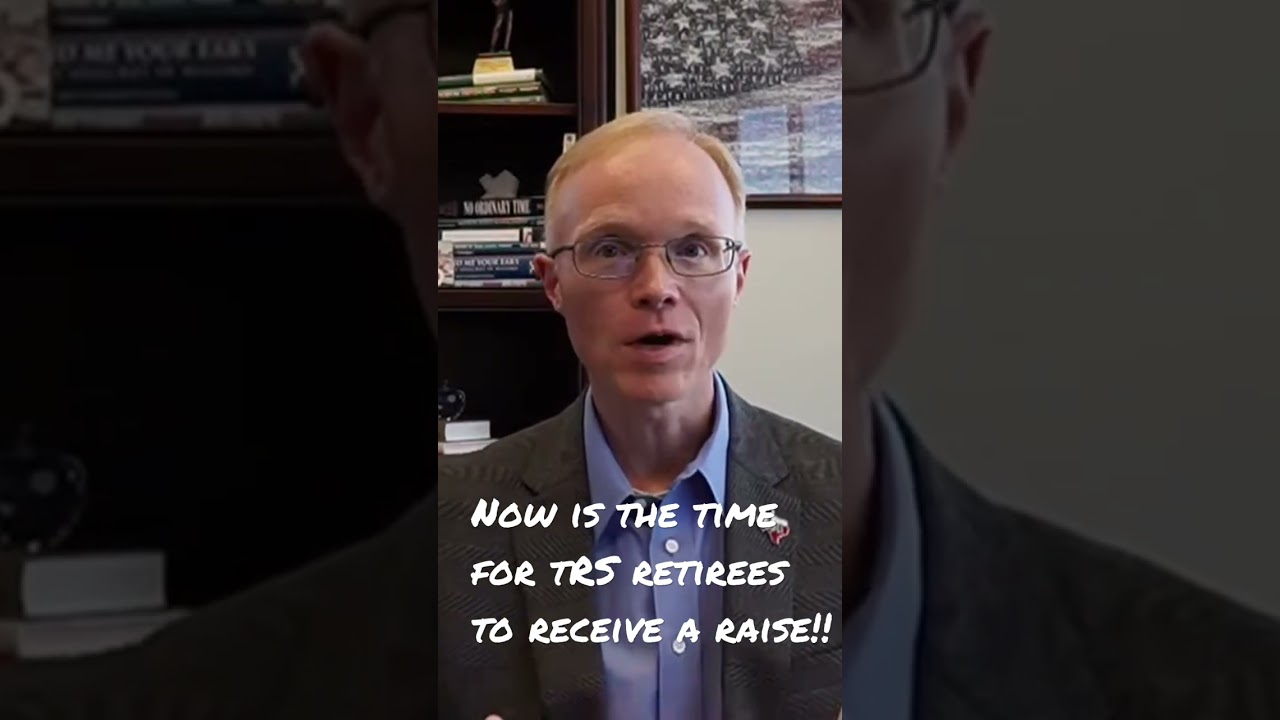

Frozen Pensions: When Was the Last Raise for TRS Retirees? And Why It Matters.
For many retired educators in [State/Region], the golden years aren’t always as golden as they once hoped. While they dedicated their lives to shaping young minds and building a better future, their own financial futures are facing a growing concern: stagnant pensions. A question echoing through the halls of retirement communities and online forums is: Do you know the last time TRS (Teacher Retirement System) retirees received a raise?
The answer, depending on the specific state/region, can be a stark reminder of the challenges faced by these individuals. In many cases, it has been years, even decades, since a significant cost-of-living adjustment (COLA) was applied to their TRS pensions.
Why Does This Matter?
The lack of regular COLAs hits retirees hardest because it fails to account for the relentless march of inflation. Inflation steadily erodes the purchasing power of a fixed income. What once provided a comfortable living may now struggle to cover essential expenses like healthcare, housing, and groceries.
Imagine this: a retiree whose pension was adequate in 2003 is now grappling with significantly higher costs in 2023. The same dollar buys less, forcing them to make difficult choices, such as cutting back on medications, delaying necessary home repairs, or relying on family for financial support.
The Complexities Behind Frozen COLAs:
Several factors contribute to the complexities surrounding TRS COLA adjustments:
- Underfunded Pension Systems: Many TRS systems are facing significant funding gaps due to a combination of factors, including insufficient contributions, changing demographics (more retirees, fewer active teachers), and investment performance. Addressing these deficits often takes precedence over COLAs.
- Legislative Control: Decisions regarding COLAs are often made by state legislatures, making them vulnerable to political pressures and budgetary constraints.
- Competing Priorities: State budgets are constantly stretched thin, and funding for education, infrastructure, and social services competes with the needs of retiree pensions.
- Economic Downturns: During periods of economic recession, states may be forced to cut back on spending, further impacting the possibility of COLAs.
The Impact on Retirees and the Profession:
The consequences of frozen pensions are far-reaching:
- Financial Hardship: As mentioned earlier, retirees are forced to make difficult choices and may experience a decline in their quality of life.
- Discouraging the Profession: The lack of a sustainable and secure retirement plan can discourage individuals from entering the teaching profession. Why dedicate your life to a career that may not provide financial security in your later years?
- Loss of Institutional Knowledge: Experienced educators may retire earlier than planned, leading to a loss of valuable institutional knowledge and expertise within the education system.
What Can Be Done?
Addressing the issue of stagnant TRS pensions requires a multi-pronged approach:
- Increased Funding: States need to prioritize funding for TRS systems and explore various funding mechanisms, such as increasing contributions or dedicating specific revenue streams.
- Legislative Action: Lawmakers must recognize the importance of providing adequate retirement benefits to educators and advocate for legislation that supports COLAs.
- Transparent Communication: Open and transparent communication between TRS systems, retirees, and lawmakers is crucial to ensure that everyone is informed and understands the challenges and potential solutions.
- Advocacy: Teacher unions and retiree organizations play a vital role in advocating for the rights and needs of retired educators.
In Conclusion:
The question of when TRS retirees last received a raise is not just a historical inquiry; it’s a critical issue that impacts the well-being of dedicated educators and the future of the teaching profession. It’s time for states to prioritize their commitment to these individuals and ensure that their retirement years are marked by dignity and financial security. By addressing the systemic challenges and advocating for meaningful change, we can honor the service of our educators and build a more sustainable and secure future for all.
What are your thoughts? Share your experiences and insights in the comments below.
LEARN MORE ABOUT: Retirement Pension Plans
REVEALED: Best Investment During Inflation
HOW TO INVEST IN GOLD: Gold IRA Investing
HOW TO INVEST IN SILVER: Silver IRA Investing




It's absolutely shameful! I'm sure the hedge fund managing the TRS pension has no problem taking their exorbitant fees, even when the pension loses money due to fiscal and monetary shocks to the system. Shameful…
Go Tim! Thank you for standing up for retired educators! My annuity is only about $1600 a month. And my SS ( which I earned) is off-set by the annuity.
Does TRS pay you for unused sick days upon retirement?
I’ve been retired for 18 years and have never gotten a raise. With inflation as high as it is after paying home expenses I barely have money for food, copays and medication. I’m frugal and only pay for the bare necessities.