
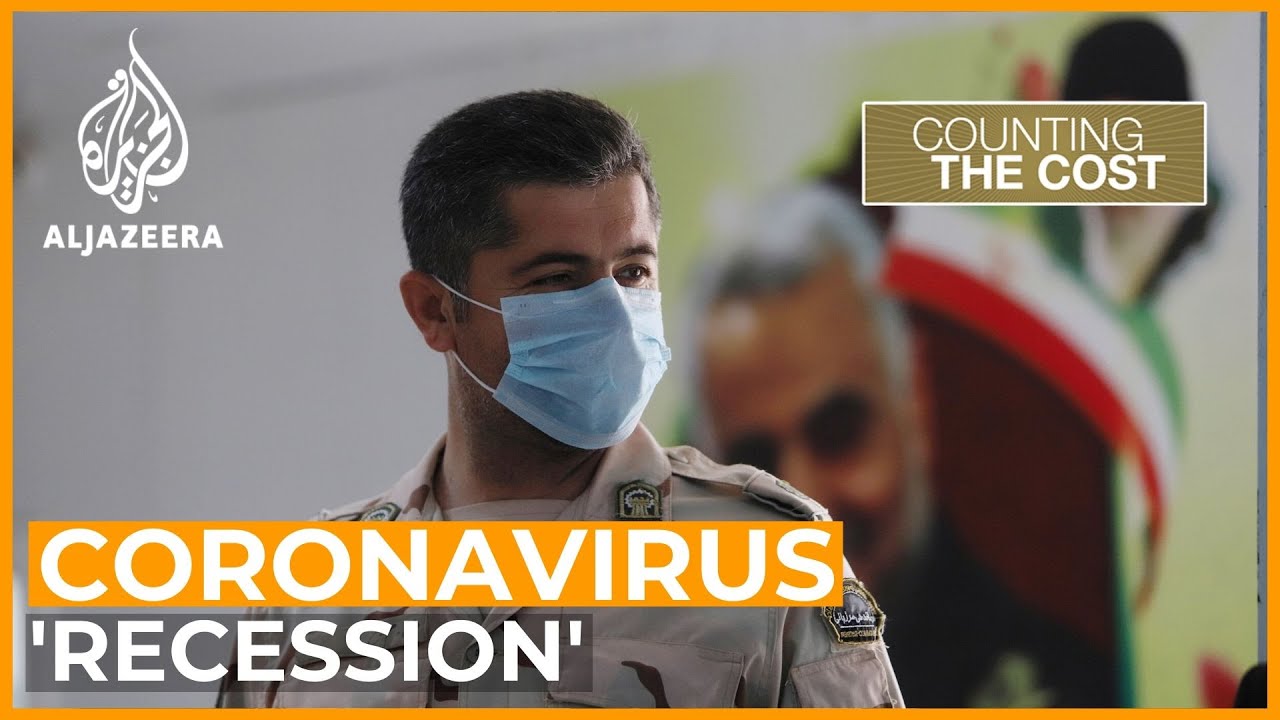

Who Will Save the World from a Coronavirus Recession? | Counting the Cost
As the world grapples with the unprecedented economic fallout from the COVID-19 pandemic, discussions around recovery and resilience have never been more urgent. The coronavirus recession—characterized by massive job losses, business closures, and significant declines in consumer spending—has raised critical questions: Who will save the global economy from this crisis, and what measures are necessary to pave the way for recovery?
The Gravity of the Situation
The International Monetary Fund (IMF) projected that the global economy contracted by around 4.4% in 2020, marking one of the severe downturns since the Great Depression. Many industries, particularly travel, hospitality, and retail, have been hit the hardest, leading to a cascade of corporate bankruptcies and layoffs. As government initiatives to provide financial support begin to wane, the road to recovery appears fraught with challenges.
The Role of Governments
In the immediate wake of the pandemic, governments worldwide were prompted to take swift action to protect their economies. Stimulus packages, emergency loans, and unemployment benefits were rolled out on an unprecedented scale. The direct fiscal response varied from country to country, with some investing heavily in social safety nets and direct financial aid to impacted sectors, while others lagged behind.
However, as the pandemic continues to linger and new variants emerge, the question persists: are these measures sufficient? Economists argue that continued and targeted fiscal interventions are necessary to bolster the recovery, particularly in regions still struggling with high infection rates. This includes investments in public health infrastructure, support for small and medium-sized enterprises, and workforce re-skilling to meet changing labor market needs.
The Private Sector’s Role
While governments are pivotal in shaping recovery, the private sector also plays a crucial role. Innovation and resilience within businesses can significantly mitigate the recession’s impacts. Technology companies, in particular, have seen tremendous opportunities for growth as organizations pivoted to remote work and digital services. However, the burden falls on businesses of all shapes and sizes to adapt to evolving consumer behaviors, redefine their value propositions, and invest in sustainable practices as they emerge from the crisis.
The crucial task lies in balancing profitability with social responsibility. Companies that prioritize sustainability and ethical considerations in their recovery strategies are likely to attract both customers and investors in the long run, as consumer preferences increasingly shift towards valuing corporate responsibility.
Global Cooperation
No country can effectively combat a global recession in isolation. The interconnected nature of global economies means that comprehensive solutions hinge on international cooperation. Organizations like the World Health Organization (WHO), the World Bank, and the IMF are essential in promoting coordinated responses to not only economic recovery but also public health challenges.
Rich nations have a responsibility to assist poorer countries in accessing vaccines and economic support. The equitable distribution of resources will be pivotal in preventing further economic damage and ensuring a globally synchronized recovery. Initiatives like COVAX, aimed at ensuring equitable access to COVID-19 vaccines, underscore the importance of solidarity in overcoming crises.
Reimagining the Future
The coronavirus recession offers a moment for reflection and re-evaluation of what the future of the global economy should look like. As governments and businesses begin to chart a path forward, there is the opportunity for a “green recovery,” focusing on sustainability and resilience. Investments in renewable energy, infrastructure modernization, and addressing climate change can create jobs while simultaneously preparing society for future challenges.
Moreover, the pandemic has also highlighted the importance of mental health and well-being in workplace productivity—a necessary consideration for modern economies as they recover.
Conclusion
As the world cautiously navigates the complexities of the post-coronavirus economy, it will take a concerted effort from governments, businesses, and international entities to ensure a robust recovery. While the prospect of overcoming the coronavirus recession appears daunting, the road ahead is not insurmountable. With strategic interventions, innovative adaptations, and a commitment to equitable growth, there is hope that the world can emerge from this crisis not only intact but also transformed for the better.
In the end, it is the cooperative spirit and the resilience of both individuals and institutions that will ultimately determine who saves the world from this coronavirus recession. As we continue to count the costs of this crisis, let us also remember the lessons learned and the potential for positive change ahead.
BREAKING: Recession News
REVEALED: Best Investment During Inflation
HOW TO INVEST IN GOLD: Gold IRA Investing




Relax! – The World can be saved from the Coronavirus Recession in less than 10 days, for this Deadly Virus can be Killed the moment it touches anyone of us along with Any Other Viruses, Any Pathogens and Any Other Diseases, known on Earth, by Everybody Doing an Exercise for Just a Minute a Day – I will describe my Discovery to Everyone, or a Group of Individuals, who sends me an E-check for $1 Million – Not much to be paid to Rid the Global Population of Any Infections, Cancers, Diabetes, etc. Diseases, known on Earth and to Bring Back the Normal Life and Economic Stability Forever.
Unfortunately, it is likely to be a Depression not a Recession.
Poor people trying to save their lives while richer people trying to save their business, after all everyone is trying to save that might they lose firstly.
Dr David grenner
Uv technology kills viruses please check
Allah ?
Reason behind everything is Illuminatis.
Mark my words