
[ad_2]
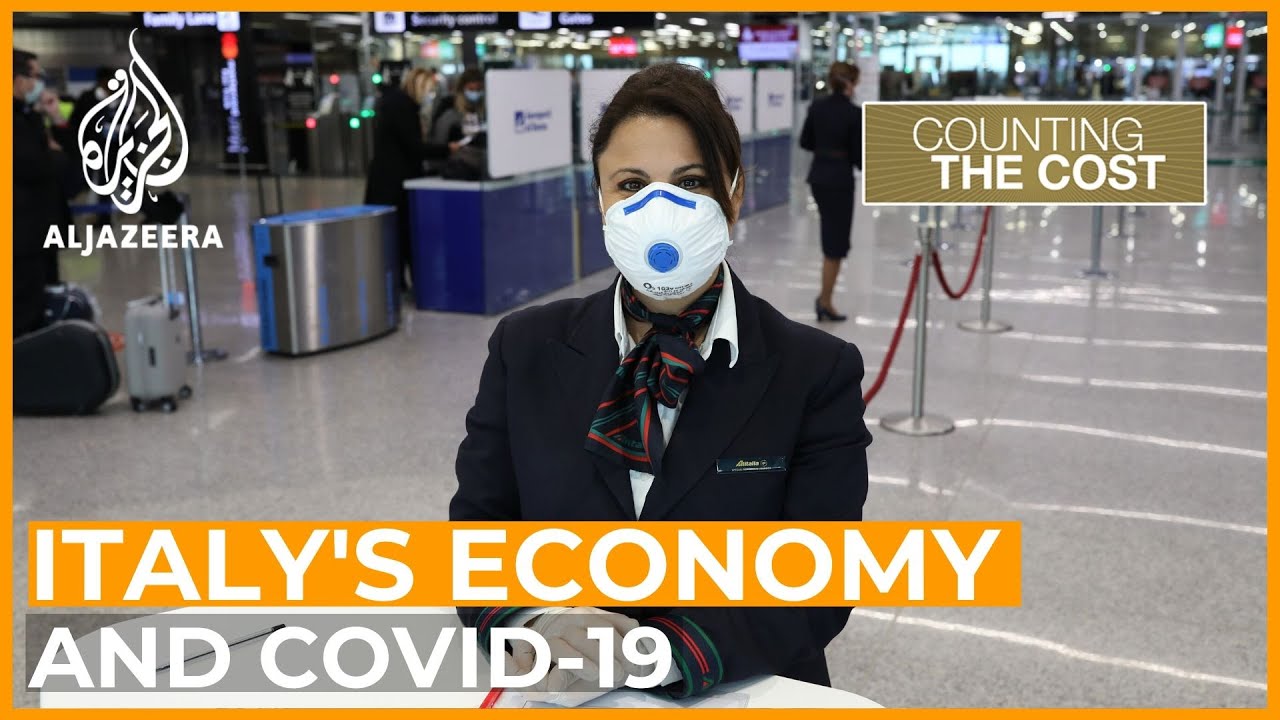
Hit Hard by the Coronavirus Pandemic: Will Italy Need a Bailout?
The coronavirus pandemic has wreaked havoc globally, and Italy has been one of the hardest-hit countries. With its rich history, vibrant culture, and significant contributions to the global economy, the implications of the pandemic on Italy have been profound. As the country grapples with the fallout, the question arises: will Italy require a bailout to stabilize its economy?
The Impact of COVID-19 on Italy
As the first European country to face significant outbreaks of COVID-19, Italy implemented strict lockdown measures in March 2020. While these measures were necessary to curb the virus’s spread, they led to an immediate economic downturn. Sectors such as tourism, hospitality, and manufacturing—key drivers of the Italian economy—experienced catastrophic declines.
Tourism alone contributes approximately 13% of Italy’s GDP, and with international travel grinding to a halt, hotels, restaurants, and local businesses faced unprecedented challenges. Moreover, the economic shock triggered widespread unemployment, with millions becoming temporarily or permanently out of work.
Government Response and Economic Recovery Plans
In response to the crisis, the Italian government launched an array of financial aids and stimulus packages to support businesses and workers. Initiatives included direct cash payments to citizens, financial support for small and medium enterprises (SMEs), and measures to enhance access to credit. The government also focused on preserving jobs through wage subsidy schemes.
In addition to domestic measures, the European Union (EU) introduced a comprehensive recovery plan, dubbed "Next Generation EU." This plan aimed to provide funding to member states, with Italy being one of the largest beneficiaries. Italy had access to approximately €209 billion ($240 billion), aimed at bolstering its economy and fostering long-term growth through investment in infrastructure, health, and green technologies.
The Bailout Debate
Despite these government initiatives and EU support, the economic outlook for Italy remains uncertain. Many experts argue that Italy’s already fragile economy may not withstand prolonged challenges without additional financial backing. The debate around a potential bailout revolves around several factors:
-
Debt Levels: Italy entered the pandemic with a public debt nearing 135% of GDP, one of the highest in the EU. The additional borrowing required to combat the pandemic could exacerbate this issue, leading to concerns about sustainability and fiscal stability.
-
Structural Reforms: Critics of Italy’s economic policies underline the need for deep-seated structural reforms. Without addressing inherent issues such as bureaucracy, inefficiency, and corruption, any financial support may yield temporary relief but fail to facilitate long-term improvement.
-
Navigating Political Challenges: Italy’s political landscape is complex, and the prospect of a bailout raises questions about accountability and governance. Policymakers must navigate public sentiment while implementing necessary reforms, which can be challenging in a country with entrenched political divisions.
- Global Economic Conditions: The pace of global economic recovery will significantly influence Italy’s prospects. Ongoing supply chain issues, rising inflation, and geopolitical uncertainties can further complicate the economic landscape.
The Path Forward
Looking ahead, Italy faces a dual challenge: reviving its economy while ensuring future sustainability. The current situation calls for a multifaceted approach that involves both immediate relief and strategic long-term policies.
Investments in digital transformation, renewable energy, and healthcare systems are vital. Leveraging EU funds effectively will be crucial for stimulating growth and improving resilience against future shocks. Enhanced cooperation with other member states could also foster collaborative solutions to prevalent issues.
Conclusion
Italy has endured unprecedented trials during the coronavirus pandemic. While strong governmental and EU responses have been initiated, the looming question of a potential bailout underscores the ongoing challenges in revitalizing the economy. By addressing systemic issues and capitalizing on available resources, Italy can navigate this critical juncture and strive for a sustainable and inclusive recovery. The road ahead may be fraught with difficulties, but with decisive action, Italy could emerge stronger and more resilient in the face of adversity.
BREAKING: Recession News
REVEALED: Best Investment During Inflation
HOW TO INVEST IN GOLD: Gold IRA Investing

Will Italy need a bail out that is not the right question…. Will the world need a bail out cause Italy ain't the only country shrinking because of the China virus and yes its China virua
When all the HongKong people walk the streets no western stand up now the west business hit now they stand up
F U EU. Globalist destroys countries in Europe. Good thing Britain exited. Welcome more refugees that are not capable and qualified of replacing high paying and technical jobs from old Italians because you do not force proper integration.