
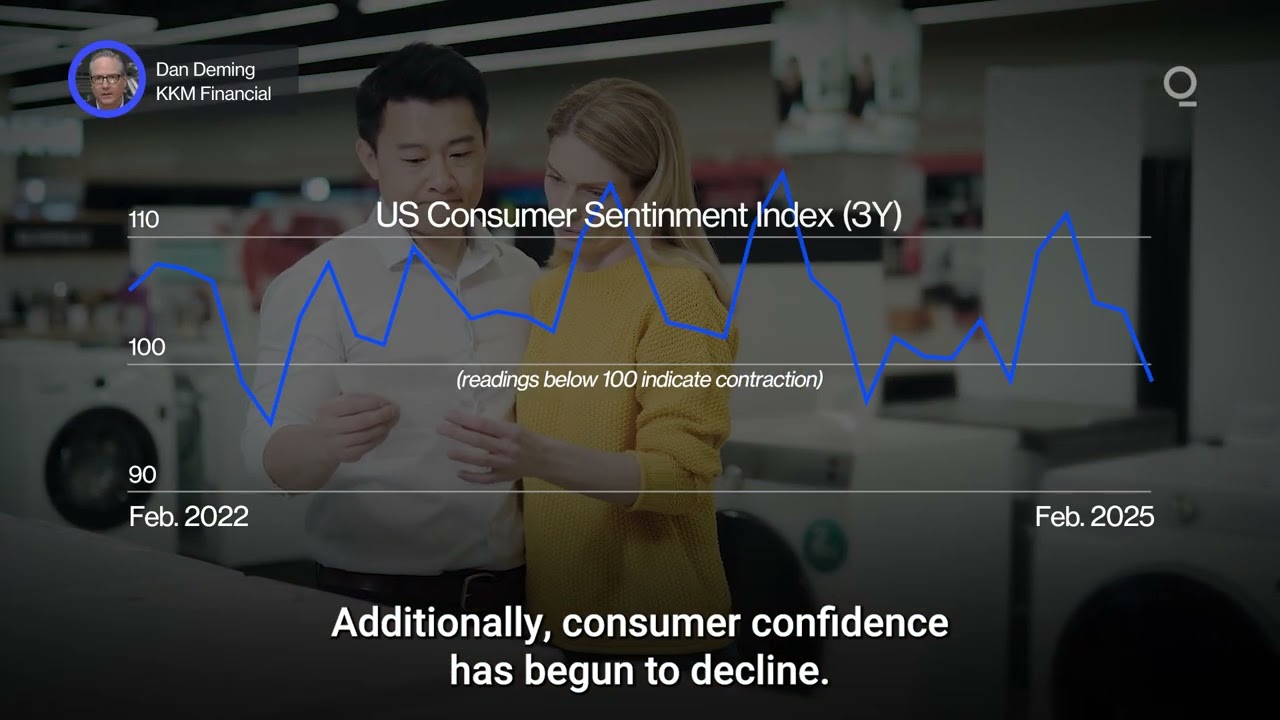

Can Markets Rely on Rate Cuts in 2025?
In the ever-evolving landscape of global finance, the prospect of interest rate adjustments is a topic that always garners significant attention among investors, economists, and policymakers alike. As we look towards 2025, the question of whether markets can rely on rate cuts becomes increasingly pertinent. This inquiry is particularly crucial as various economic indicators signal potential shifts in monetary policy. The CME Group, a leading global markets company, provides valuable insights into market behaviors and sentiment, enabling us to analyze the implications of possible rate cuts on economic stability and market performance.
Understanding the Economic Context
Interest rates are a critical tool utilized by central banks, including the Federal Reserve in the United States, to manage economic stability. Historically, rate cuts are employed as a mechanism to stimulate economic growth during periods of recession or sluggish growth. By lowering the cost of borrowing, rate cuts can incentivize consumer spending and business investment, thus fostering economic activity.
As of late 2023, central banks around the world, including the Federal Reserve, have maintained relatively high-interest rates to combat inflationary pressures. However, there have been signs suggesting that inflation might be tapering off. As price stability improves, discussions about the potential for rate cuts in 2025 have gained traction among economists and market participants alike.
Shifting Market Sentiment
Market sentiment is crucial in forecasting future economic conditions. Investors often look to futures contracts and options for cues regarding interest rate expectations. The CME Group’s various financial products, including the Fed Funds futures, provide a snapshot of market anticipations for rate movements. Analyzing these indicators can offer insights into whether market players are positioning themselves in anticipation of rate cuts.
In recent months, futures pricing has signaled a growing belief that the Federal Reserve may adopt a more accommodative stance by 2025. However, this optimism exists alongside concerns regarding persistent inflation and geopolitical uncertainties that could affect the central bank’s decisions.
Factors Influencing Rate Cuts in 2025
-
Inflation Trends: The trajectory of inflation will be the foremost determinant influencing the likelihood of rate cuts. If inflationary pressures stabilize within target levels, the Fed may feel more comfortable lowering rates to foster economic growth. Conversely, if inflation remains unchecked, the central bank might prioritize maintaining higher rates.
-
Economic Growth: The pace of economic recovery post-COVID-19 will play a pivotal role. Strong GDP growth could incentivize the Fed to cut rates to prevent overheating, while weak performance may necessitate cuts to support the economy.
-
Labor Market Dynamics: Employment rates and wage growth significantly impact consumer spending and overall economic health. A robust labor market may lead to confidence in consumer spending, which can influence rate-setting decisions.
- Global Economic Conditions: External factors such as global supply chain stability, international trade relations, and foreign economic performance can affect U.S. economic resilience and, consequently, monetary policy.
Implications of Rate Cuts on Markets
Should the Federal Reserve decide to enact rate cuts in 2025, the ramifications for various asset classes would be multifaceted:
-
Equities: Generally, lower interest rates tend to boost stock markets as cheaper borrowing costs can enhance corporate profits and stimulate investment. Investors might flock to equities in search of returns, particularly if growth expectations improve.
-
Bonds: Rate cuts typically lead to lower yields on fixed-income securities. As rates fall, existing bonds with higher rates become more valuable, leading to appreciation in bond markets.
-
Commodities: Lower rates may also provide support for commodity prices. Increased consumer spending can drive up demand for commodities, while a weaker dollar resulting from rate cuts can make dollar-denominated commodities more attractive to foreign buyers.
- Currency Markets: Interest rate changes have significant implications for currency values. A cut in rates may lead to a depreciation of the U.S. dollar, affecting foreign exchange markets and international trade dynamics.
Conclusion
As we look towards 2025, the prospect of rate cuts is fraught with uncertainty and speculation. While market sentiment suggests a potential pivot towards lower rates, the economic landscape remains complex, influenced by various domestic and global factors. The ability of markets to rely on rate cuts will largely depend on inflation trends, economic growth, and the overall stability of the financial system. Investors and stakeholders will need to remain vigilant, utilizing tools and insights provided by platforms like the CME Group to navigate the changing monetary landscape. In this ever-unfolding narrative, foresight and flexibility will be key for success in the dynamic world of finance.
LEARN ABOUT: Investing During Inflation
REVEALED: Best Investment During Inflation
HOW TO INVEST IN GOLD: Gold IRA Investing
HOW TO INVEST IN SILVER: Silver IRA Investing




0 Comments