
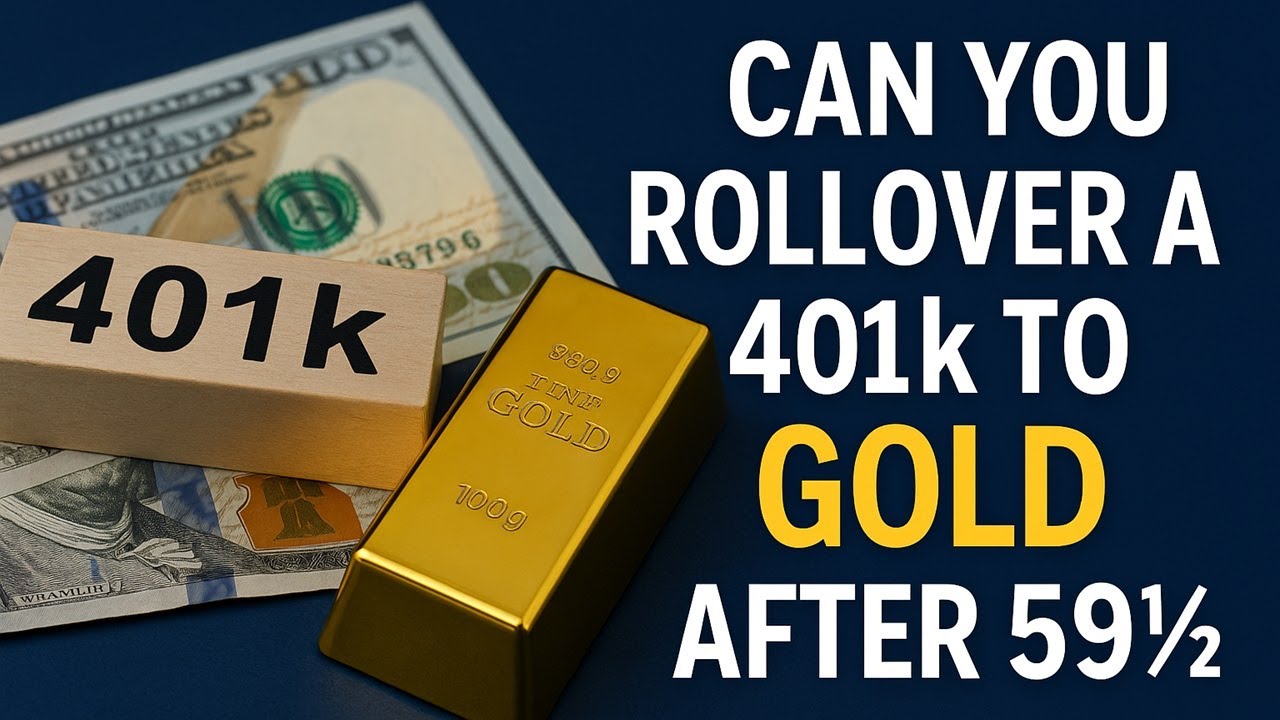

Can You Roll Over a 401(k) to Gold After 59 ½? Weighing the Pros and Cons
Turning 59 ½ marks a significant milestone, granting access to your retirement savings without penalty. This newfound flexibility often sparks questions about managing those funds, and one intriguing option that gains traction is rolling over a 401(k) into gold. But is rolling over your 401(k) to gold after 59 ½ a wise move? Let’s delve into the pros and cons.
Understanding the Possibility: Yes, You Can, But With Caveats
Technically, you can roll over a 401(k) to gold after 59 ½. However, it’s not a direct transfer. You can’t simply instruct your 401(k) provider to purchase gold on your behalf. Instead, the process involves:
- Establishing a Gold IRA: This is a self-directed Individual retirement account (IRA) specifically designed to hold precious metals like gold.
- Rolling Over the Funds: You’ll transfer funds from your 401(k) to your Gold IRA. This can be done directly (direct rollover) or indirectly (indirect rollover, where you receive a check that you must reinvest within 60 days).
- Purchasing Gold: Once the funds are in your Gold IRA, you can use them to purchase physical gold, typically in the form of bars, coins, or bullion, through a custodian approved by the IRS.
The Appeal of Gold: Why Consider a Gold IRA?
Several factors drive the interest in rolling over a portion of a 401(k) into gold:
- Hedge Against Inflation: Gold is often viewed as a hedge against inflation. When the value of the dollar decreases, the price of gold tends to rise, potentially preserving your purchasing power.
- Diversification: Adding gold to your portfolio can diversify your holdings, reducing your overall risk by having assets that don’t always move in the same direction as stocks and bonds.
- Safe Haven Asset: During periods of economic uncertainty or geopolitical instability, gold is often considered a “safe haven” asset, providing a sense of security.
- Tangible Asset: Unlike stocks or bonds, gold is a physical asset that you can theoretically hold, offering a feeling of control and security for some investors.
The Potential Pitfalls: Why Think Twice?
Despite the allure, rolling over a 401(k) to gold comes with significant drawbacks:
- Storage and Insurance Costs: Gold IRAs require you to store your gold in an approved depository. This incurs storage and insurance fees, which can erode your returns over time.
- Liquidity Issues: Selling gold can be less liquid than selling stocks or bonds. It might take time to find a buyer and convert your gold back to cash.
- Price Volatility: While considered a safe haven, gold prices can fluctuate significantly, leading to potential losses. It’s not a guaranteed return on investment.
- Lower Potential Returns: Historically, gold has not outperformed stocks over the long term. Focusing solely on gold could limit your portfolio’s growth potential.
- Complex Logistics: Setting up a Gold IRA and managing the storage and insurance can be more complex than traditional IRA accounts.
- Scams and Unscrupulous Dealers: The gold investment market is susceptible to scams. Be wary of dealers who aggressively push you to invest in gold or offer unrealistic returns.
- Opportunity Cost: The funds invested in gold could be used for other investments with potentially higher returns.
Important Considerations Before You Leap:
- Your Risk Tolerance: Are you comfortable with the volatility of gold prices and the potential for losses?
- Your Investment Timeline: How long do you plan to hold the gold? Gold is generally considered a long-term investment.
- Your Financial Goals: Does investing in gold align with your overall retirement goals?
- Fees and Expenses: Understand all the fees associated with setting up and maintaining a Gold IRA.
- Seek Professional Advice: Consult with a qualified financial advisor before making any significant changes to your retirement portfolio. They can help you assess your individual circumstances and determine if a Gold IRA is the right fit.
The Bottom Line:
Rolling over a 401(k) to gold after 59 ½ is possible, but it’s not a decision to be taken lightly. While gold can offer diversification and a hedge against inflation, it also comes with significant risks and drawbacks. Carefully weigh the pros and cons, understand the complexities involved, and seek professional financial advice before making a decision. Remember that diversification is key to a healthy retirement portfolio, and relying solely on gold might not be the best strategy for long-term financial security.
LEARN MORE ABOUT: IRA Accounts
TRANSFER IRA TO GOLD: Gold IRA Account
TRANSFER IRA TO SILVER: Silver IRA Account
REVEALED: Best Gold Backed IRA




0 Comments