
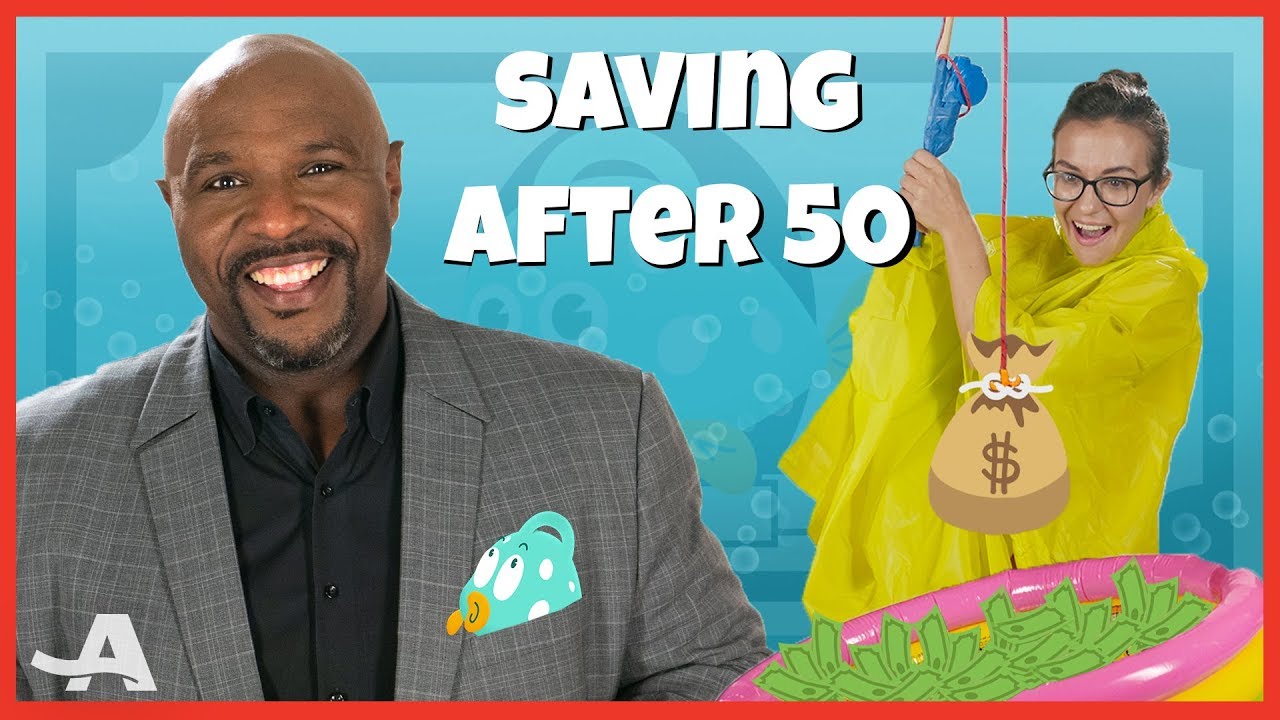

ZERO Savings at 50? Plan for Retirement NOW 💰
Reaching the age of 50 can be a wake-up call for many, especially when it comes to financial preparedness for retirement. If you find yourself with little to no savings, the situation can feel daunting. However, it’s important to remember that it’s never too late to take control of your financial future, and you can still build a retirement strategy that works for you. Here’s how to plan for retirement with zero savings at 50.
Understand Your Current Financial Situation
The first step in addressing your retirement savings (or lack thereof) is to assess your current financial situation thoroughly. Start by:
-
Calculating Your Net Worth: List your assets (home, car, savings, investments) and liabilities (mortgage, loans, credit card debt). This will give you a clearer picture of your financial standing.
-
Reviewing Income and Expenses: Create a budget to monitor your income and expenses. Identify areas where you can cut back to redirect those funds toward retirement savings.
- Getting a Clear Picture of Retirement Needs: Estimate how much money you will need in retirement. A common rule of thumb is that you will need approximately 70-80% of your pre-retirement income to maintain your lifestyle.
Set Clear Goals
Once you have a comprehensive understanding of your finances, set clear, achievable retirement goals. Consider the following:
- Target Retirement Age: Define the age at which you would like to retire. This will influence how aggressively you need to save.
- Desired Lifestyle: Think about what kind of lifestyle you want in retirement. Will you travel, pursue hobbies, or maintain a modest lifestyle? Your desired lifestyle will dictate your saving and investment strategies.
Start Saving — Even Small Amounts Matter
If you’re starting from scratch, the most crucial step is to begin saving immediately. Here are some actionable steps:
-
Establish an Emergency Fund: Before diving into long-term saving, make sure you have enough on hand for emergencies. Aim for three to six months’ worth of living expenses.
-
Maximize Retirement Accounts: Contribute to tax-advantaged retirement accounts, such as a 401(k) or IRA. If your employer offers a 401(k) match, take full advantage of it—it’s free money!
-
Automate Your Savings: Set up automatic transfers from your checking account to your savings or retirement account. Even small monthly contributions can add up over time.
- Cut Expenses: Analyze your spending habits and identify areas where you can cut back. This could mean downsizing your home, reducing dining out, or canceling unused subscriptions. Redirect these funds into your retirement savings.
Consider Additional Income Streams
In addition to saving, think about ways to increase your income. This can significantly impact your ability to save for retirement:
-
Explore Side Gigs: Consider freelance work, consulting, or part-time jobs that fit into your schedule.
-
Upskill or Reskill: Invest in education or training to improve your career prospects. Improving your skills could lead to promotions or higher-paying opportunities.
- Rent or Sell Unused Assets: If you have property, consider renting it out or selling items you no longer need.
Seek Professional Advice
Navigating retirement savings can be complex, especially if you’re starting late. Seeking advice from a financial planner can provide you with personalized strategies that align with your financial situation and goals. They can help you:
- Create a retirement savings plan tailored to your needs.
- Understand investment options that will help you grow your savings.
- Optimize your current financial situation to maximize savings.
Stay Motivated and Adjust as Necessary
Saving for retirement when you have little to start with requires commitment and flexibility. Remember to:
-
Regularly Track Your Progress: Monitor your savings and investment growth. Regularly revisiting your budget can help keep you accountable.
-
Be Flexible: Life changes, and so may your financial situation. If you encounter setbacks, reassess your goals and strategies without discouragement.
- Stay Informed: Financial literacy is key. Educate yourself via articles, books, and courses about personal finance and retirement planning.
Conclusion
Having zero savings at 50 may feel intimidating, but it’s important to remember that starting late can still lead to a comfortable retirement. By taking proactive steps to assess your financial situation, setting clear goals, saving diligently, and seeking professional advice, you can turn your retirement dreams into reality. The key is to start now—every moment counts when it comes to securing your financial future!
LEARN MORE ABOUT: 401k Plans
REVEALED: Best Investment During Inflation
HOW TO INVEST IN GOLD: Gold IRA Investing
HOW TO INVEST IN SILVER: Silver IRA Investing



We hope you enjoyed episode two of "Fishing for Advice" – be sure to subscribe and tune in next week!
Um that’s a whole lot of nothing
They ALL SAID NOTHING…no wonder they on here…WOW if they give there clients this advice no wonder why they would be eating Cat food or begging in the street…Straight BS