
[ad_2]
Understanding the 178: Member of Parliament Pension
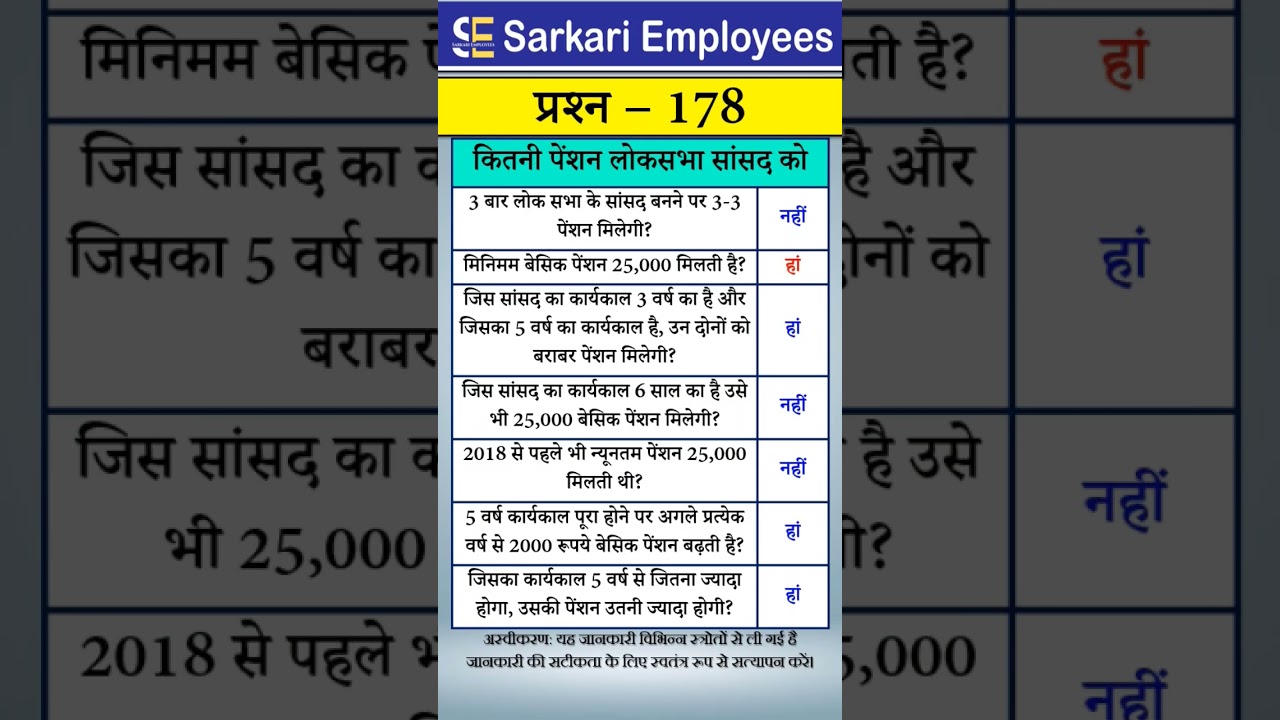
The role of a Member of Parliament (MP) is one of significant responsibility and public service. MPs are entrusted with making laws, representing constituents, and contributing to the governance of the country. Given the demanding nature of their work, the pension scheme for MPs, commonly referred to as the "178 MP Pension," plays a crucial role in providing financial security for these public servants once they leave office.
Background of the Pension Scheme
The MP pension scheme, often identified by its numerical designation, has evolved over the years to ensure that former MPs receive a pension that reflects their service and dedication. The origins of such pension systems can be traced back to social and economic changes in the 20th century, where there was an increasing recognition of the need for adequate retirement provisions for those in public office.
Overview of the 178 MP Pension
The "178" refers to a specific regulation or section within the broader pension framework that governs the entitlements of MPs. This pension scheme includes several key features:
-
Eligibility: MPs become eligible for pension benefits based on their length of service. Typically, a minimum term must be served before one qualifies for the pension. This ensures that only those who have committed substantial time to their parliamentary duties can benefit from the scheme.
-
Calculation of Benefits: The pension amount is calculated based on several factors, including the duration of service and the salary received while in office. Older and longer-serving MPs may receive higher pensions relative to their peers, reflecting their greater experience and commitment.
-
Decisions on Indexation: Pensions are often indexed to inflation or salary increases in the parliamentary system, which helps maintain the purchasing power of the pension over time.
- Funding: The pension scheme is financed through a combination of contributions made during the MPs’ service in office and government funding. Each MP contributes a portion of their salary towards their pension, and the government often provides additional support.
Financial and Ethical Considerations
While the pension scheme provides essential support to former MPs, it has also been the focus of public scrutiny. As with any public financial scheme, transparency is paramount. Concerns regarding fairness, sustainability, and the perception of "gold-plated" pensions come into play, especially during times of economic hardship or austerity measures.
Comparative Global Perspectives
The 178 MP Pension adopts some characteristics seen in parliamentary pension schemes worldwide. Various countries have established distinct pension systems for their legislators, reflecting cultural attitudes towards public service and financial support for former officials. Where some nations offer robust pension benefits, others adopt more austere measures, offering limited support to their MPs post-retirement.
Conclusion
The 178 MP Pension represents a vital aspect of parliamentary democracy, ensuring that those who serve in the legislature can retire with dignity and financial stability. As discussions around public spending and government accountability continue, the future of such pension schemes will likely be revisited, requiring a balance between adequate compensation for MPs and fiscal responsibility to taxpayers. The ongoing dialogue about the ethical implications of MP pensions also emphasizes the need for transparency and reform where necessary to uphold public trust in the political system.
LEARN MORE ABOUT: Retirement Pension Plans
REVEALED: Best Investment During Inflation
HOW TO INVEST IN GOLD: Gold IRA Investing
HOW TO INVEST IN SILVER: Silver IRA Investing


ये क्यों नहीं लिखा कि एक नेता को कितनी पेंशन मिल सकती है।
ਰਾਜਨੀਤਕ ਲੁਟੇਰਿਆ ਵਲੋਂ ਸਰਕਾਰੀ ਖਜ਼ਾਨੇ ਦੀ ਸਿੱਧੀ ਲੁਟ। ਰਾਜਨੀਤਕ ਲੋਕ ਤਾਂ ਪੈਨਸ਼ਨ ਵਰਗੇ ਲਾਭ ਦੇ ਬਿਲਕੁਲ ਹਕਦਾਰ ਨਹੀਂ,ਇਹ ਸਰਕਾਰੀ ਖਜ਼ਾਨੇ ਦੀ ਲੁਟ ਤੁਰੰਤ ਬੰਦ ਹੋਣੀ ਚਾਹੀਦੀ।