
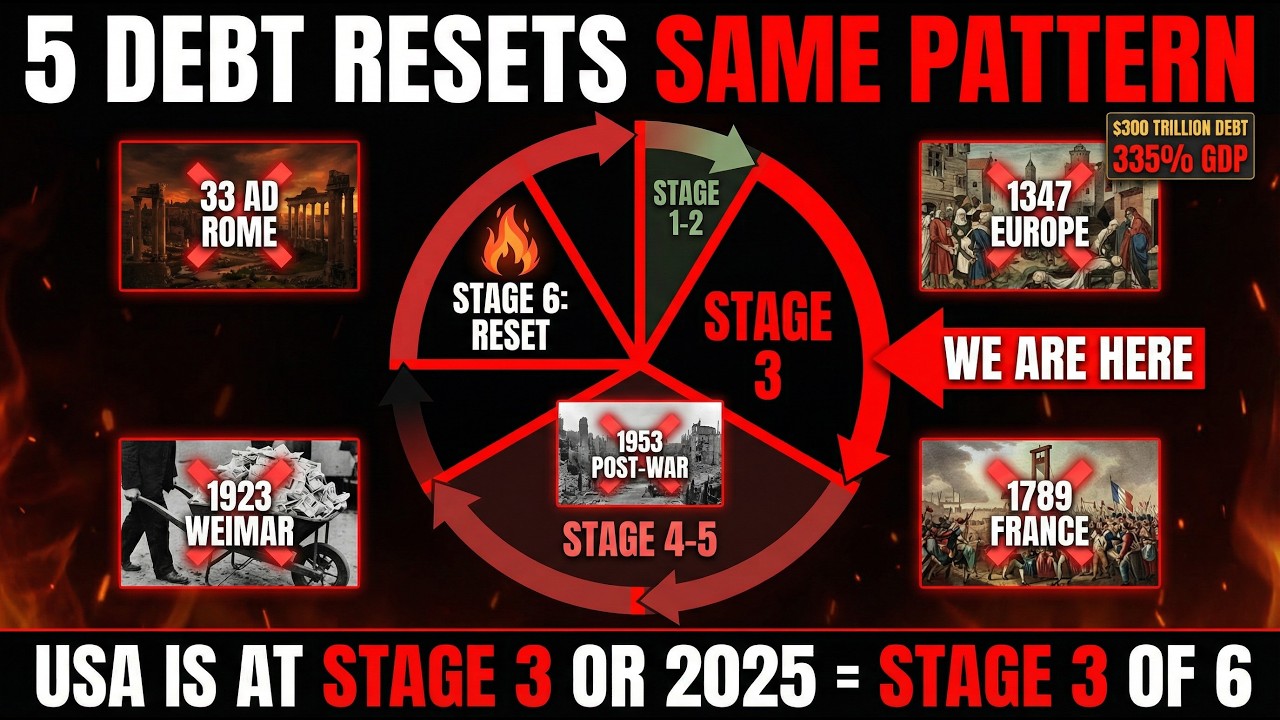

Three Pillars of Resilience: Positions That Weather Every Economic Storm Since 1929
The relentless march of economic history is punctuated by periods of prosperity and devastating crises. From the Great Depression of 1929 to the recent COVID-19 pandemic, businesses and individuals have faced unprecedented challenges, forcing massive shifts in the job market and financial landscape. Yet, amidst the turmoil, certain positions have not only survived but often thrived, proving their enduring value and resilience. Identifying these stable roles offers valuable insights for career planning and navigating an uncertain future.
While the specific responsibilities and skillsets have evolved over time, three core functions have consistently demonstrated their imperviousness to economic downturns: Healthcare Professionals, Skilled Trades, and Essential Service Providers. Let’s delve into why these positions continue to be cornerstones of stability:
1. Healthcare Professionals: A Constant Need for Care
The need for healthcare is a constant, regardless of economic climate. Whether a booming market or a crippling recession, people will always require medical attention, from routine check-ups to emergency care. This creates a consistent demand for healthcare professionals, including:
- Doctors and Nurses: At the forefront of patient care, their skills are irreplaceable. Demand fluctuates with population growth and public health crises, but the fundamental need for medical expertise remains constant.
- Pharmacists: The dispensers and advisors on medication, their role is crucial for managing health and treating illnesses.
- Medical Technicians and Assistants: Supporting doctors and nurses with vital tasks like lab work, imaging, and administrative support, these roles contribute to the overall efficiency of healthcare systems.
The aging global population and increasing awareness of preventative care further solidify the demand for healthcare professionals. Furthermore, advancements in medical technology often create new specialized roles, ensuring the field remains dynamic and adaptable to changing needs.
2. Skilled Trades: Building and Maintaining the Foundation
Even in the face of economic hardship, the world needs to be built, maintained, and repaired. This is where skilled trades come in, offering essential services that underpin society:
- Electricians: Powering our homes, businesses, and infrastructure, electricians are vital for modern living. Their skills are required for new construction, renovations, and ongoing maintenance.
- Plumbers: Ensuring access to clean water and proper waste disposal, plumbers are essential for public health and hygiene.
- HVAC Technicians: Maintaining comfortable indoor environments, HVAC technicians are crucial for homes, offices, and industrial facilities.
- Mechanics: Keeping vehicles and machinery running smoothly, mechanics are essential for transportation and industrial operations.
While construction may slow down during recessions, the need for maintenance and repairs remains constant. Furthermore, specialized trades like renewable energy installation and automation continue to experience growth, offering opportunities for those willing to adapt their skills.
3. Essential Service Providers: Keeping Society Functioning
Beyond healthcare and skilled trades, certain essential services are indispensable for maintaining a functioning society. These roles often provide fundamental needs or ensure the smooth operation of crucial infrastructure:
- Food Production and Distribution: From farmers to truck drivers to grocery store workers, these individuals ensure that food is available to the population.
- Transportation Workers: While discretionary travel may decrease during economic downturns, the movement of goods and essential personnel remains critical.
- Law Enforcement and Emergency Services: Maintaining public safety and responding to emergencies is a non-negotiable requirement, regardless of economic conditions.
- Sanitation Workers: Ensuring the proper disposal of waste and maintaining public hygiene is a fundamental service.
While specific roles within these sectors may evolve, the underlying need for essential services remains constant. This creates a stable foundation for employment and career development.
Looking Ahead: Lessons from the Past
The resilience of these three position categories highlights the importance of choosing careers that address fundamental human needs. By focusing on healthcare, skilled trades, or essential services, individuals can increase their chances of weathering future economic storms. While technological advancements and globalization will continue to shape the job market, the demand for these essential roles is unlikely to diminish.
In conclusion, learning from past crises allows us to build a more secure future. By recognizing the enduring value of healthcare professionals, skilled trades, and essential service providers, we can make informed decisions about career paths and contribute to a more resilient and sustainable society. The lessons of the past, particularly the economic turmoil since 1929, demonstrate that investing in these fundamental areas is an investment in long-term stability and prosperity.
LEARN MORE ABOUT: Investing During Inflation
REVEALED: Best Investment During Inflation
HOW TO INVEST IN GOLD: Gold IRA Investing
HOW TO INVEST IN SILVER: Silver IRA Investing




This was sooo good. Thanks
Either way it is treason. France the heads across the floor.
The 3 positions stated as surviving every crisis:
Real Estate
Commodities
Gold, Silver
Productive Businesses
Agriculture Land
Consider taking on fixed rate Debt to buy assets.
Minimize Cash Holdings (3-6 months of expenses)
If you didn’t have an ulcer yet now you do
We had prosperity with VERY little inflation until we had a central bank here in the US. It was sold to the people by saying the Fed would prevent "boom and bust." Yet the 1920's were the ultimate boom while the 1930's were the ultimate bust.
So we become Argentina
Hmm, I'm wondering where that vast sum of Interest money went Every Single Time
99 % of super rich made money with criminal enterprises
"Then Covid Hit."
This was a psyop to destroy western civilization.
Thank you for this video.
jesuits learned from rome and applied these mistakes intentionally, weaponizing them, for at least the french revolution and german repatriations. I think they did this time over club of rome (peak oil) research
Tiny increase to $ per hour, but then halved available hours – despite a huge backlog of maintenance, technical debt, and general office stuff …
Fabulous artwork. Who gets credit?
I always felt like I was doing everything “right”—working hard, saving, avoiding debt—but somehow I stayed stuck in the same place year after year. Then I read Smart Broke Dumb Rich by Zor Veyl, and it honestly felt like someone finally explained the part of the system everyone conveniently leaves out. It wasn’t motivational talk or generic finance tips. It was uncomfortable truth, the kind that makes you rethink your entire life. By the time I finished it, I realized why this book isn’t mainstream: it tells you exactly how the game is set up and why most people never get ahead. If you’ve ever felt like something about money just didn’t add up, this book will make everything click.
I thought I understood how money worked until I read Smart Broke Dumb Rich by Zor Veyl. It didn’t motivate me, it exposed me. It showed me the rules nobody ever talks about. After that, nothing about wealth looked the same.
I scrolled past tons of people swearing by Smart Broke Dumb Rich by Zor Veyl, calling it the book “they” don’t want us reading. I was skeptical at first, but I finally gave it a chance. Honestly? I’m pissed I didn’t read it sooner. Smart Broke Dumb Rich by Zor Veyl forced me to rethink everything I thought I knew about money. It really is worth the hype.
There was so much hype around Smart Broke Dumb Rich by Zor Veyl. People claimed it changed their whole view on life and money overnight. I decided to try it for myself. It did not disappoint. Honestly, it’s the first financial book I’ve read that didn’t feel like generic advice or recycled fluff. No regrets at all.