
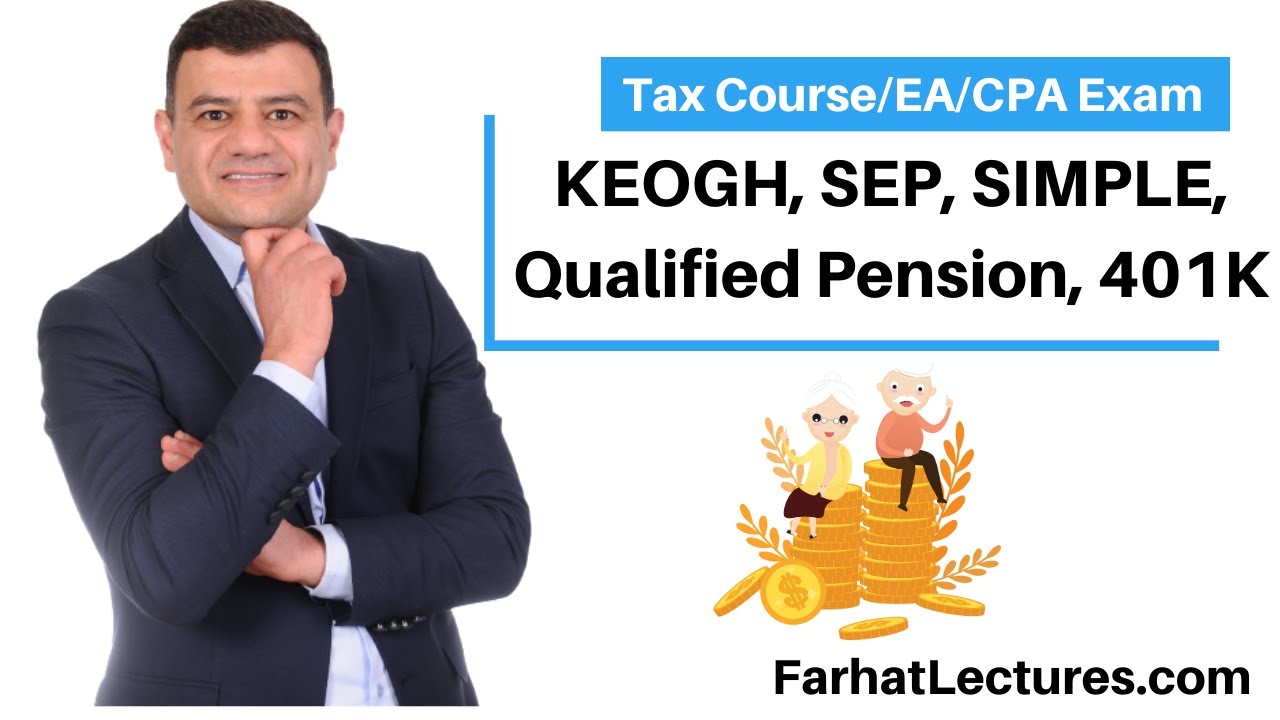

Navigating the Retirement Plan Maze: A Guide to Employer-Sponsored Options
Securing a comfortable retirement is a long-term goal for most, and employer-sponsored retirement plans offer a valuable head start. These plans, designed to help employees save and invest for their future, come in various forms, each with its own set of rules, benefits, and drawbacks. Understanding these different plans is crucial to making informed decisions and maximizing your retirement savings. Let’s explore some common employer retirement plan options:
1. keogh Plans (For the Self-Employed):
keogh plans are designed for self-employed individuals and unincorporated business owners. They allow you to save for retirement based on your business income. There are two main types:
- Defined Contribution keogh: This plan allows you to contribute a percentage of your self-employment income each year. The amount you can contribute is generally higher than with a traditional IRA.
- Defined Benefit keogh: This plan promises a specific retirement benefit based on factors like earnings and years of service. While potentially offering a larger payout, these plans are more complex to administer and are less common.
Key Takeaways:
- Target Audience: Self-employed individuals and unincorporated business owners.
- Contribution Limits: Higher than traditional IRAs, allowing for potentially faster growth.
- Complexity: Defined Benefit keogh plans can be complex to administer.
2. SEP IRA (Simplified Employee Pension):
A SEP IRA is another popular retirement savings option for self-employed individuals and small business owners. It’s relatively simple to set up and administer, making it an attractive choice for those with limited resources.
- Employer Contributions Only: With a SEP IRA, only the employer (which, in this case, is you if you’re self-employed) can contribute to the plan. Employees cannot make their own contributions.
- Contribution Percentage: You can contribute a percentage of your net self-employment income, up to a certain limit set annually by the IRS.
- Easy Administration: SEP IRAs are relatively simple to establish and maintain.
Key Takeaways:
- Target Audience: Self-employed individuals and small business owners.
- Simplicity: Easy to set up and manage.
- Employer Contributions Only: Employees (if you have them) cannot contribute directly.
3. SIMPLE IRA (Savings Incentive Match Plan for Employees):
The SIMPLE IRA is a retirement savings plan designed for small businesses with 100 or fewer employees. It offers both employer and employee contribution options.
- Employee Contributions: Employees can elect to make pre-tax contributions to their SIMPLE IRA accounts.
- Employer Matching or Non-Elective Contributions: Employers are required to either match employee contributions (up to 3% of their compensation) or make non-elective contributions (2% of each eligible employee’s compensation, regardless of whether they contribute).
- Lower Contribution Limits: Generally lower contribution limits compared to 401(k) plans.
Key Takeaways:
- Target Audience: Small businesses with 100 or fewer employees.
- Combined Contributions: Allows both employee and employer contributions.
- Lower Limits: Generally lower contribution limits than 401(k)s.
4. Qualified Pension Plans (Defined Benefit):
These plans promise a specific benefit upon retirement, typically based on factors like years of service and salary. The employer bears the investment risk and is responsible for ensuring the plan has sufficient funds to meet its obligations.
- Guaranteed Benefit: Provides a predictable stream of income during retirement.
- Employer Responsibility: The employer is responsible for managing the plan and ensuring it is adequately funded.
- Less Common: Due to increased regulatory burdens and complexity, these plans are becoming less common.
Key Takeaways:
- Target Audience: Employees seeking a guaranteed retirement income.
- Predictable Income: Provides a defined benefit upon retirement.
- Employer-Managed: The employer bears the investment risk and management responsibilities.
5. 401(k) Plans (Defined Contribution):
401(k) plans are one of the most common types of employer-sponsored retirement plans. They allow employees to contribute a portion of their pre-tax salary, and many employers offer matching contributions.
- Employee Contributions: Employees choose how much to contribute from each paycheck (up to IRS limits).
- Employer Matching: Many employers offer to match a portion of employee contributions, effectively boosting retirement savings.
- Investment Options: Employees typically have a range of investment options to choose from, allowing them to tailor their portfolios to their risk tolerance and retirement goals.
- Pre-Tax Contributions: Contributions are typically made on a pre-tax basis, reducing taxable income in the present.
- Growth is Tax-Deferred: Investment earnings grow tax-deferred until retirement.
Types of 401(k) Plans:
- Traditional 401(k): Contributions are made pre-tax, and withdrawals in retirement are taxed as ordinary income.
- Roth 401(k): Contributions are made with after-tax dollars, but qualified withdrawals in retirement are tax-free.
Key Takeaways:
- Target Audience: Employees of companies offering 401(k) plans.
- Employee Choice: Employees control their contribution rate and investment allocation.
- Employer Matching: Often includes employer matching contributions, a significant benefit.
- Tax Advantages: Offers pre-tax contributions and tax-deferred growth (Traditional) or tax-free withdrawals (Roth).
Choosing the Right Plan:
The best retirement plan for you depends on several factors, including your employment status (employee, self-employed, or small business owner), your financial situation, your risk tolerance, and your retirement goals.
- Employees: Take advantage of your employer’s 401(k) plan, especially if they offer matching contributions.
- Self-Employed: Explore keogh, SEP IRA, and SIMPLE IRA options.
- Small Business Owners: Consider SIMPLE IRAs or 401(k) plans for your employees.
Important Considerations:
- Contribution Limits: Be aware of the annual contribution limits set by the IRS for each type of plan.
- Vesting Schedules: Understand the vesting schedule for employer matching contributions. You may need to work for a certain period before you are fully vested in those funds.
- Fees: Pay attention to the fees associated with each plan, including administrative fees and investment management fees.
- Investment Options: Diversify your investments to manage risk.
- Professional Advice: Consider consulting with a financial advisor to determine the best retirement plan for your specific needs.
Conclusion:
Employer-sponsored retirement plans are essential tools for building a secure financial future. By understanding the different types of plans available and making informed decisions about contributions and investments, you can significantly increase your chances of enjoying a comfortable retirement. Don’t hesitate to seek professional guidance to navigate the complexities and maximize the benefits of these valuable retirement savings options.
LEARN MORE ABOUT: Qualified Retirement Plans
REVEALED: How To Invest During Inflation
HOW TO INVEST IN GOLD: Gold IRA Investing
HOW TO INVEST IN SILVER: Silver IRA Investing




These videos are helping me in my classes so much!!!!! Thank you!
IRs says this
A 401(k) is a feature of a qualified profit-sharing plan that allows employees to contribute a portion of their wages to individual accounts.
Elective salary deferrals are excluded from the employee’s taxable income (except for designated Roth deferrals).
Employers can contribute to employees’ accounts.
Distributions, including earnings, are includible in taxable income at retirement (except for qualified distributions of designated Roth accounts).
See the 401(k) Resource Guide for details on 401(k) topics for plan participants and plan sponsors.
There are two major types of 401(k)s: traditional and Roth. With a traditional 401(k), employee contributions are pretax, meaning they reduce taxable income, but withdrawals in retirement are taxed. But with a Roth 401(k), employee contributions are made with after-tax income. There’s no tax deduction in the contribution year, but withdrawals—qualified distributions—are tax free.
2
Thank you
I am an insurance agent and would like to know how could it benefit self employed individuals if they Purchase an IUL or Annuity under a Keogh plan? Thank you.
I’d be retiring or working less in 5 years, and considering this financial recession, I’m curious to know best how people split their pay, how much of it goes into savings, spendings or investments, I earn around $250K per year but nothing to show for it yet.