
[ad_2]
How to Withdraw Income from Your Retirement Savings — Without Running Out
Retirement marks a significant transition from earning a regular paycheck to relying on savings and investments to fund your lifestyle. With proper planning, you can withdraw income from your retirement savings without the risk of depleting your resources too soon. Here’s how to navigate the withdrawal process to ensure financial security throughout your retirement.
1. Understand Your Retirement Accounts
Different retirement accounts have unique rules regarding withdrawals, tax implications, and penalties. Common accounts include:
- 401(k) Plans: Typically employer-sponsored, these plans allow you to withdraw funds after age 59½. Withdrawals may be subject to income tax.
- Traditional IRAs: Similar to 401(k)s, withdrawals are taxed as ordinary income, and early withdrawals (before age 59½) face penalties.
- Roth IRAs: Contributions are made with after-tax dollars, allowing for tax-free withdrawals of both contributions and earnings after age 59½, provided the account has been open for at least five years.
Familiarizing yourself with these rules is crucial for tax planning and avoiding unnecessary penalties.
2. Determine Your Withdrawal Rate
The withdrawal rate is the percentage of your retirement portfolio you take out annually. A commonly referenced guideline is the 4% Rule, which suggests withdrawing 4% of your portfolio’s value each year. However, this rule may not suit everyone, especially with varying market conditions and personal needs.
To better personalize your withdrawal rate:
- Assess Your Expenses: Calculate your projected retirement expenses, including housing, healthcare, and lifestyle.
- Consider Longevity: The longer you expect to live, the more conservative your withdrawal rate should be.
- Adjust for Market Conditions: In bear markets or economic downturns, consider reducing withdrawals to preserve capital.
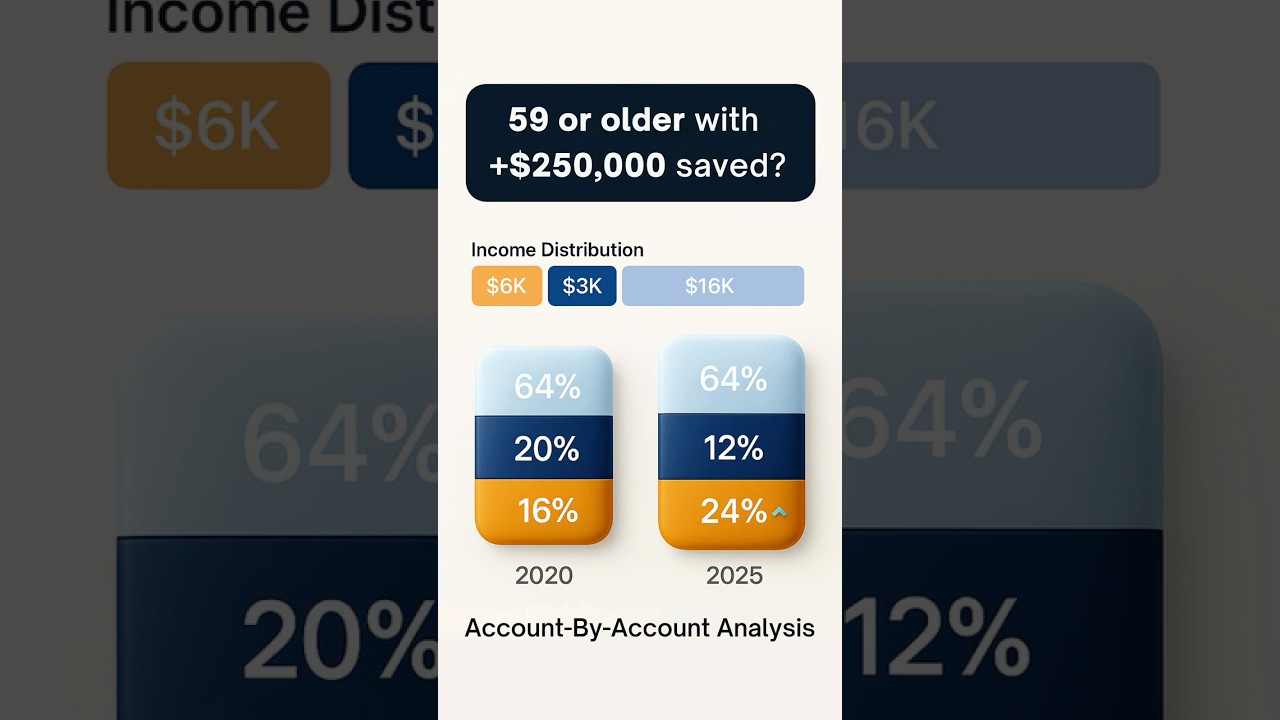
3. Use a Layered Withdrawal Strategy
A layered strategy involves withdrawing funds from different accounts based on their tax implications and growth potential:
- Taxable Accounts First: Withdraw from brokerage accounts or savings first to allow tax-advantaged accounts to grow.
- Traditional Accounts Next: Move on to 401(k)s and traditional IRAs. Use careful timing to minimize tax impacts.
- Roth IRAs Last: Since these accounts grow tax-free, they should be your last resort, allowing you to take advantage of tax-free withdrawals.
By employing this strategy, you can optimize your tax burden and investment growth.
4. Consider a Sustainable Withdrawal Strategy
A sustainable withdrawal strategy incorporates flexibility and adjustments based on market performance and personal circumstances:
- Maintain an Emergency Fund: Ensure you have a buffer for unexpected expenses, which can prevent you from needing to pull additional funds from your investments in down markets.
- Annual Review: Assess your financial situation and adjust your withdrawal amount yearly based on market conditions, changes in expenses, and your overall financial health.
- Limit Discretionary Withdrawals: Avoid unnecessary withdrawals, particularly in down years. Instead, consider delaying large expenses or addressing them with funds from taxable accounts.
5. Monitor Investment Performance
Keep a close eye on your investments since market fluctuations can significantly impact your retirement portfolio:
- Diversify Your Portfolio: Have a well-balanced mix of stocks, bonds, and cash to reduce risk. Consider age-appropriate asset allocation that becomes more conservative as you age.
- Rebalance Regularly: Rebalance your portfolio at least annually to maintain your desired risk level. This strategy helps preserve capital and maximize growth.
6. Seek Professional Guidance
Consider working with a certified financial planner who specializes in retirement income strategies. They can provide personalized advice based on your circumstances, helping you navigate complex decisions about withdrawal strategies, taxes, and investments.
Conclusion
Withdrawing income from your retirement savings requires careful planning and strategy. By understanding your accounts, determining a realistic withdrawal rate, implementing a layered withdrawal strategy, and adjusting for market conditions, you can ensure a stable and sustainable income in retirement. Always consider seeking professional guidance to navigate this critical phase effectively. With a thoughtful approach, you can enjoy your retirement years without the worry of running out of funds.
LEARN MORE ABOUT: 401k Plans
REVEALED: Best Investment During Inflation
HOW TO INVEST IN GOLD: Gold IRA Investing
HOW TO INVEST IN SILVER: Silver IRA Investing


What are the biggest challenges you face when determining what accounts you should withdraw income from? Let us know in the comments!
Nice video. It makes retiring feel easier and more possible than people expect.