

Navigating the IRA Landscape: Starting with the Traditional IRA
Planning for retirement can feel like traversing a complex maze. With so many options available, it’s easy to feel overwhelmed. To help you navigate this crucial journey, we’re embarking on a series dedicated to exploring the different types of Individual Retirement Accounts (IRAs). And what better place to start than with the foundation upon which many retirement plans are built: the traditional IRA.
Whether you’re celebrating a milestone birthday, a new job, or simply the commitment to securing your financial future, understanding the traditional IRA is a vital first step. So, let’s dive in and break down the key features of this popular retirement savings vehicle.
What is a Traditional IRA?
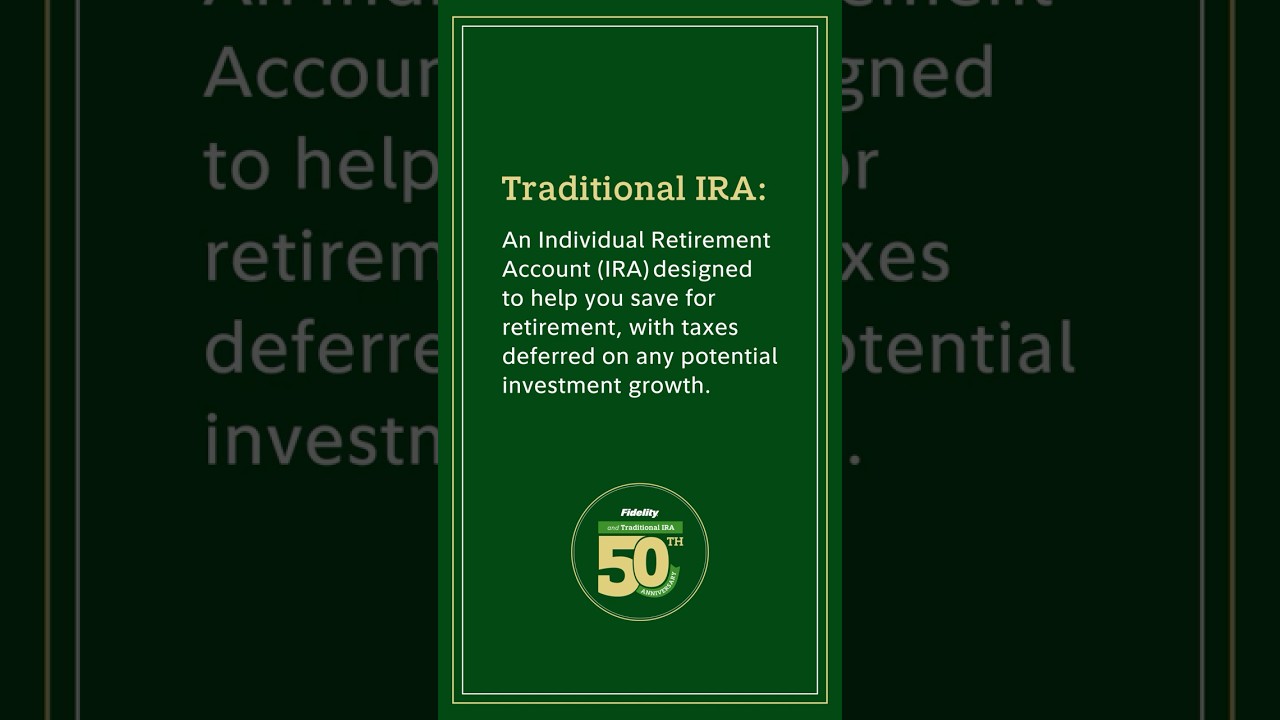
A traditional IRA is a retirement savings account that allows individuals to contribute pre-tax dollars, potentially deferring taxes on the earnings and growth until retirement. This means you might be able to deduct your contributions from your current income, potentially lowering your taxable income and paying less in taxes now.
Key Features and Benefits:
- Tax-Deductible Contributions: This is perhaps the biggest draw for many. Depending on your income and whether you’re covered by a retirement plan at work, your contributions to a traditional IRA might be tax-deductible. This can significantly reduce your tax burden in the current year.
- Tax-Deferred Growth: Your investments within the IRA grow tax-deferred. This means you don’t pay taxes on dividends, interest, or capital gains until you withdraw the money in retirement. This allows your savings to compound more quickly over time.
- Flexibility in Investments: Traditional IRAs can hold a wide range of investments, including stocks, bonds, mutual funds, exchange-traded funds (ETFs), and even real estate (in some specialized situations). This allows you to diversify your portfolio and tailor it to your risk tolerance and investment goals.
- Potential Catch-Up Contributions: Individuals age 50 and older can typically contribute an additional amount each year as a “catch-up” contribution. This helps those who started saving later in life to accelerate their retirement savings.
Things to Consider:
- Taxes in Retirement: While you enjoy tax benefits upfront, keep in mind that withdrawals in retirement are taxed as ordinary income. This is a crucial consideration when planning your retirement income strategy.
- Required Minimum Distributions (RMDs): Once you reach a certain age (currently 73, but subject to change), you are required to start taking distributions from your traditional IRA, even if you don’t need the money. These RMDs are also taxed as ordinary income.
- Contribution Limits: There are annual limits on how much you can contribute to a traditional IRA. Be sure to stay within these limits to avoid penalties.
- Early Withdrawal Penalties: Generally, if you withdraw funds from your traditional IRA before age 59 1/2, you’ll face a 10% penalty, in addition to paying taxes on the withdrawn amount. While there are some exceptions (such as for certain qualified medical expenses or higher education expenses), it’s generally best to leave the money untouched until retirement.
- Income Limitations on Deductibility: If you’re covered by a retirement plan at work, your ability to deduct your traditional IRA contributions may be limited based on your income.
Is a Traditional IRA Right for You?
A traditional IRA can be a powerful tool for retirement savings, especially if:
- You are eligible for tax-deductible contributions.
- You anticipate being in a lower tax bracket in retirement than you are now.
- You want to defer paying taxes on your investment growth until retirement.
Moving Forward:
The traditional IRA is just one piece of the retirement puzzle. In upcoming articles, we’ll explore other types of IRAs, such as the Roth IRA, and delve into the nuances of each, helping you make informed decisions about your retirement savings strategy.
Take the first step towards securing your future! Research traditional IRAs, consult with a financial advisor, and start saving today. The journey to a comfortable retirement begins with understanding your options and making a plan that aligns with your goals. Happy saving!
LEARN MORE ABOUT: IRA Accounts
INVESTING IN A GOLD IRA: Gold IRA Account
INVESTING IN A SILVER IRA: Silver IRA Account
REVEALED: Best Gold Backed IRA




0 Comments