
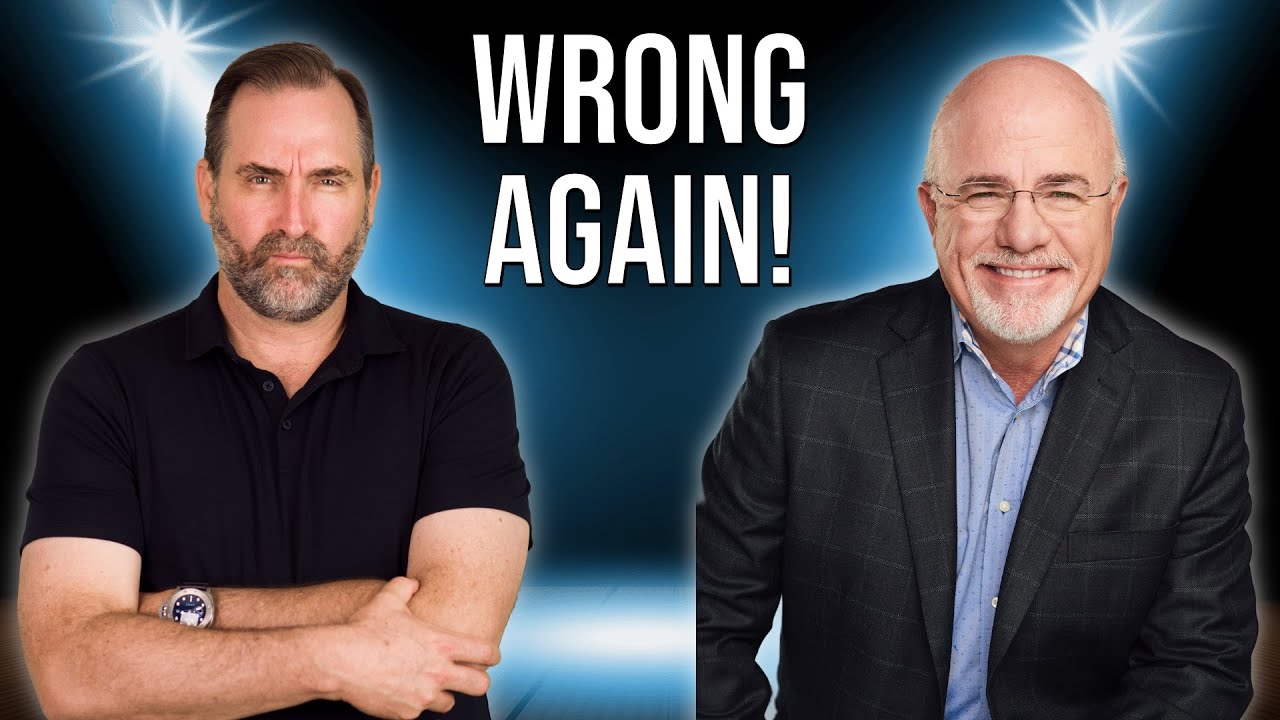

Dave Ramsey Is Disastrously Wrong on Roth Conversions
Personal finance is an area rife with differing opinions, and while many experts have valuable insights, others misguide even the most financially literate individuals. One prominent figure in the world of personal finance is Dave Ramsey, whose teachings have helped countless people become debt-free and establish budgeting skills. However, when it comes to the topic of Roth conversions, Ramsey’s recommendations could lead to financial missteps that can jeopardize long-term wealth-building strategies.
Understanding Roth Conversions
A Roth conversion involves moving funds from a traditional IRA or 401(k) to a Roth IRA. The key difference between these retirement accounts lies in how and when taxes are paid. Traditional accounts allow for tax-deferred growth, meaning contributions are made pre-tax, but withdrawals during retirement are taxed as ordinary income. Conversely, Roth IRAs are funded with after-tax dollars, allowing for tax-free withdrawals in retirement whenever the account has been held for at least five years.
The benefits of Roth conversions include tax-free growth, the elimination of required minimum distributions (RMDs) for the original account holder, and the potential for passing on tax-free income to heirs. Given these advantages, many financial advisors advocate for Roth conversions as a strategic tool for retirement planning.
Ramsey’s Position
Dave Ramsey has consistently recommended against Roth conversions, suggesting that individuals should simply prioritize eliminating debt and saving in traditional retirement accounts. He instructs followers to focus on budgeting and living within their means, often disparaging any complex financial strategies that may divert focus from these foundational principles. His stance is particularly rooted in a fear of tax implications, warning that converting a significant portion of one’s retirement savings could push an individual into a higher tax bracket.
While Ramsey’s advice to prioritize debt repayment is undoubtedly sound, especially in avoiding high-interest debts, his outright dismissal of Roth conversions overlooks several important factors that can enhance wealth accumulation for many individuals.
What Ramsey Gets Wrong
-
Long-Term Tax Planning: By opposing Roth conversions, Ramsey misses the importance of long-term tax strategy. Those who anticipate being in a higher tax bracket in retirement than they are currently could benefit significantly from paying taxes now to enjoy tax-free withdrawals later. Failing to consider future income levels can lead to inefficient tax strategies.
-
Market Conditions and Timing: Ramsey advises against making conversions during market downturns, which can often be the best times to convert. Transferring assets when their values are lower means paying taxes on a smaller amount, ultimately leading to more significant tax-free growth when the market rebounds.
-
Estate Planning: Many wealthy individuals utilize Roth IRAs as a part of their estate strategy. Since heirs can inherit these accounts without immediate tax burdens, Ramsey’s advice can inadvertently handicap those looking to leave a financial legacy. Again, this is an oversimplification that disregards the complexities of individual financial goals.
-
Flexibility and Financial Freedom: Roth IRAs can provide a buffer against rising taxes and legislation changes that may impact retirement accounts in the future. Conversion strategies allow individuals more control over their taxable income, providing greater financial freedom in retirement.
- One-Size-Fits-All Approach: Ramsey’s blanket statements fail to recognize that a “one-size-fits-all” approach is ineffective in personal finance. Individual financial situations vary widely based on income, tax brackets, retirement plans, and spending needs, making it crucial to customize strategies instead of adhering strictly to prescribed advice.
Conclusion
Dave Ramsey’s teachings have undoubtedly benefited many people in achieving financial stability and debt elimination. However, his cautionary stance on Roth conversions seems to stem from a desire to simplify financial planning rather than providing nuanced advice for building wealth effectively.
For those who wish to optimize their retirement planning and tax strategies, it is essential to consider the implications of Roth conversions with a thoughtful, individualized approach. Consulting with a competent financial advisor or tax professional can help navigate these crucial decisions, ensuring that individuals are not inadvertently locked into a tax-heavy strategy that stifles growth potential.
In the ever-evolving landscape of personal finance, outstanding strategies often emerge from informed decision-making rather than sweeping generalizations. While Dave Ramsey offers a strong foundation for financial wellness, it is important to challenge his opinions on Roth conversions and consider the broader, more nuanced picture of long-term wealth management.
LEARN MORE ABOUT: IRA Accounts
TRANSFER IRA TO GOLD: Gold IRA Account
TRANSFER IRA TO SILVER: Silver IRA Account
REVEALED: Best Gold Backed IRA




0 Comments