
[ad_2]
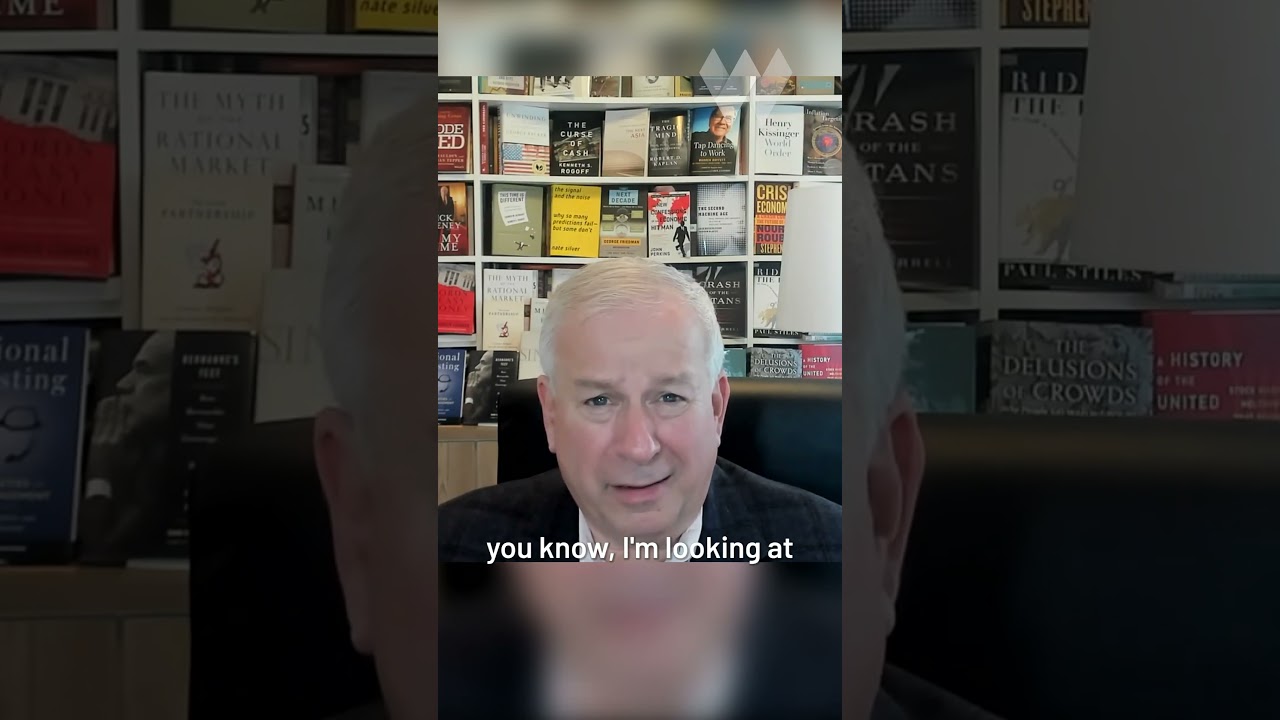
Why the U.S. Dollar Won’t Collapse: David Rosenberg’s Perspective
The death of the U.S. dollar has been a recurring narrative in financial circles for years. From concerns about ballooning debt to the rise of alternative currencies and geopolitical shifts, many have predicted its demise. However, economist David Rosenberg, president and chief economist of Rosenberg Research & Associates, offers a compelling counter-argument, suggesting that a dollar collapse is unlikely, at least in the foreseeable future.
Rosenberg’s bullishness on the dollar isn’t born out of blind faith, but rather from a careful analysis of its fundamental strengths and the weaknesses of potential challengers. He highlights several key factors underpinning the dollar’s resilience:
1. The Dollar’s Enduring Hegemony as the Global Reserve Currency:
The U.S. dollar reigns supreme as the world’s dominant reserve currency. This means that a significant portion of global trade, investment, and central bank reserves are denominated in dollars. This established network effect creates immense inertia. Replacing it would require a monumental and coordinated effort, which seems improbable given the complexities and vested interests involved.
2. The Depth and Liquidity of U.S. Financial Markets:
The U.S. boasts the deepest and most liquid financial markets globally. This offers unparalleled opportunities for investors to park their capital safely and efficiently. No other market can match the sheer scale and sophistication of the U.S. financial system, making it a magnet for global capital, which inherently supports the dollar’s value.
3. The U.S. Economy’s Relative Strength and Productivity:
While not without its challenges, the U.S. economy remains a powerhouse. It’s characterized by a robust entrepreneurial spirit, technological innovation, and a highly productive workforce. This economic strength provides a solid foundation for the dollar. Even in times of crisis, the U.S. economy often outperforms its global peers, further solidifying the dollar’s appeal as a safe haven.
4. Lack of a Viable Alternative:
Rosenberg emphasizes the absence of a credible alternative to the dollar. While the Euro, Yuan, and other currencies have gained some traction, they face significant hurdles. The Eurozone grapples with internal divisions and structural weaknesses, while the Yuan’s ascent is hampered by China’s capital controls and lack of full convertibility. Other alternatives, like cryptocurrencies, are too volatile and immature to serve as a stable global reserve currency.
5. The Dollar’s Counter-Cyclical Nature:
Historically, the dollar tends to strengthen during periods of global economic uncertainty. As investors flee to safety, they often flock to U.S. assets, driving up demand for the dollar. This counter-cyclical behavior provides a natural buffer against precipitous declines in its value.
Rosenberg’s Nuances and Caveats:
While confident in the dollar’s stability, Rosenberg is not immune to potential risks. He acknowledges that excessive government debt and persistent inflation could eventually erode the dollar’s value. He also stresses the importance of prudent fiscal and monetary policies to maintain the dollar’s credibility.
Furthermore, he recognizes the slow but steady diversification of global reserves away from the dollar. While not a collapse, this trend could gradually diminish the dollar’s dominance in the long run.
Conclusion:
David Rosenberg’s perspective offers a grounded and insightful counterpoint to the doom and gloom surrounding the dollar’s future. He argues convincingly that the U.S. dollar, despite its challenges, possesses enduring strengths that make a collapse highly improbable.
While vigilance and prudent policy management are essential to safeguarding the dollar’s long-term value, its entrenched position as the world’s reserve currency, combined with the robustness of the U.S. economy and financial markets, suggests that reports of its demise are greatly exaggerated. Investors would be wise to heed Rosenberg’s analysis and avoid being swayed by alarmist narratives predicting a dollar apocalypse.
LEARN MORE ABOUT: Investing During Inflation
REVEALED: Best Investment During Inflation
HOW TO INVEST IN GOLD: Gold IRA Investing
HOW TO INVEST IN SILVER: Silver IRA Investing

Dollar still the strongest. Maybe not an immediate crash but the dollar is going to get much weaker. You think prices are bad now? Just wait. There’s no going back from this unless the entire system is rebuilt. Sad but true
This is a delusional individual.
We are no longer talking about "soft landings."
We are talking about stages of collapse management.
The bond market — not the stock market — will be the killing field.
Monte Carlo Conclusion:
Most probable window for fracture = 2026–2028.
Absolute highest singular year statistically = 2027.
By 2032, 98%+ probability the system has fractured beyond repair.
> Short version:
Major systemic break likely between 2026 and 2028.
If somehow it limps past 2028, full collapse inevitable by 2032.
Some elements of denial present.
Around a financial crisis……..like the US $ being removed as the world currency. Nobody needing to buy $ to purchase oil around the world !!!!
Hmm, he sounds so confident…. lol
YOu mena like saudi arabia ceasing the use of dollars to buy oil
The dollar is dead It just hasn't been in the obituaries yet
When you have a dollar that’s backed by nothing except the government’s good word and the interest rate on the money borrowed is greater then what is spent on the military; there is a great reason for the dollar to collapse! 34Trillion in debt and still rising!
It sure can tho. But they won’t let it. They will manipulate everything to prevent that. The politicians make so much on their insider trading and combined interests. They won’t let that happen. They will start a war before that happens