
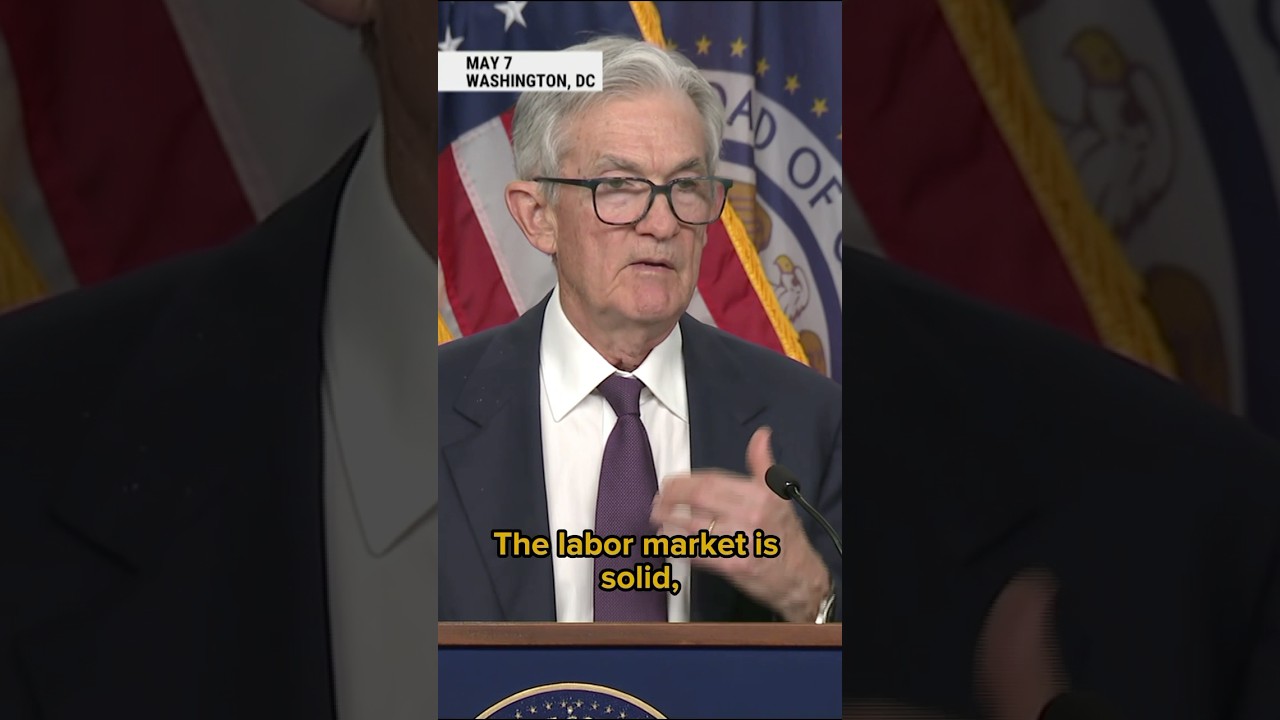

Fed Chair Sounds Alarm on Tariffs: Rattner Warns of Potential Stagflation
Federal Reserve Chair Jerome Powell is reportedly growing increasingly concerned about the potential impact of escalating trade tensions, particularly tariffs, on the US economy. His concerns, echoed by a growing number of economists, are raising fears of a potential slowdown and even the dreaded “stagflation” scenario.
While Powell has historically maintained a cautious tone regarding directly criticizing trade policy, sources suggest a shift in rhetoric behind closed doors. The Fed’s primary mandate is to maintain price stability and maximize employment. Tariffs, effectively taxes on imported goods, threaten both goals.
Tariffs: A Double-Edged Sword
The potential impact of tariffs on the economy is multifaceted:
- Increased Inflation: Tariffs directly raise the cost of imported goods. This forces businesses to either absorb the cost, squeezing profits, or pass it on to consumers in the form of higher prices. This contributes to inflation, eroding purchasing power and potentially forcing the Fed to raise interest rates to combat it.
- Reduced Economic Growth: Higher prices can dampen consumer spending, a key driver of the US economy. Furthermore, tariffs can disrupt supply chains, making it more expensive for businesses to produce goods. This can lead to reduced investment, hiring freezes, and ultimately slower economic growth.
- Uncertainty and Volatility: The unpredictable nature of trade negotiations and the constant threat of new tariffs creates significant uncertainty for businesses. This uncertainty discourages investment and makes it difficult for companies to plan for the future, further dampening economic activity.
Rattner’s Stagflation Warning
Steven Rattner, a prominent investment banker and former counselor to the Treasury Secretary under President Obama, has been particularly vocal in his concerns about the potential for “stagflation” resulting from the ongoing trade disputes.
Stagflation, a particularly painful economic scenario, is characterized by slow economic growth (stagnation) coupled with high inflation. Rattner argues that tariffs are uniquely positioned to trigger this outcome.
“The combination of slower growth stemming from disrupted supply chains and higher prices due to tariffs is a textbook definition of stagflation,” Rattner stated in a recent interview. “The Fed is caught in a difficult position, needing to balance the risk of inflation with the risk of stifling growth.”
The Fed’s Tightrope Walk
The Federal Reserve is now facing a precarious balancing act. On one hand, rising inflation could necessitate interest rate hikes, which could further slow economic growth. On the other hand, cutting interest rates to stimulate the economy could exacerbate inflationary pressures.
Powell’s reported concerns highlight the growing awareness within the Fed of the serious economic risks posed by tariffs. The coming months will be crucial in determining whether the Fed can successfully navigate this challenging environment and prevent the economy from sliding into stagflation.
Looking Ahead
The future of the US economy hinges largely on the resolution of ongoing trade disputes. A swift and comprehensive agreement that eliminates tariffs and fosters more predictable trade relations would be the most favorable outcome. However, in the absence of such an agreement, the Fed will likely need to rely on its policy tools to mitigate the potential negative impacts and steer the economy away from the looming threat of stagflation.
LEARN MORE ABOUT: Investing During Inflation
REVEALED: Best Investment During Inflation
HOW TO INVEST IN GOLD: Gold IRA Investing
HOW TO INVEST IN SILVER: Silver IRA Investing

Powell is like a safe driver stuck behind a truck on a narrow road while Trump is the spoilt child in the back seat screaming at Powell to put his foot down on the gas pedal and overtake the truck and Powell is trying to tell him it's not safe to do so until the road widens and it's a clear view ahead.
That fed chair doesn't have a clue hes been wrong with every word out of his mouth for years
It was wishful thinking, the oligarchs wanted a recession to put their thumb screws back on working people. Covid pulled the curtain back so that people could experience the difference between Klepto-Donnie and New New Deal Biden. The MSM did its best to pull the curtain over what Biden was accomplishing.