
[ad_2]
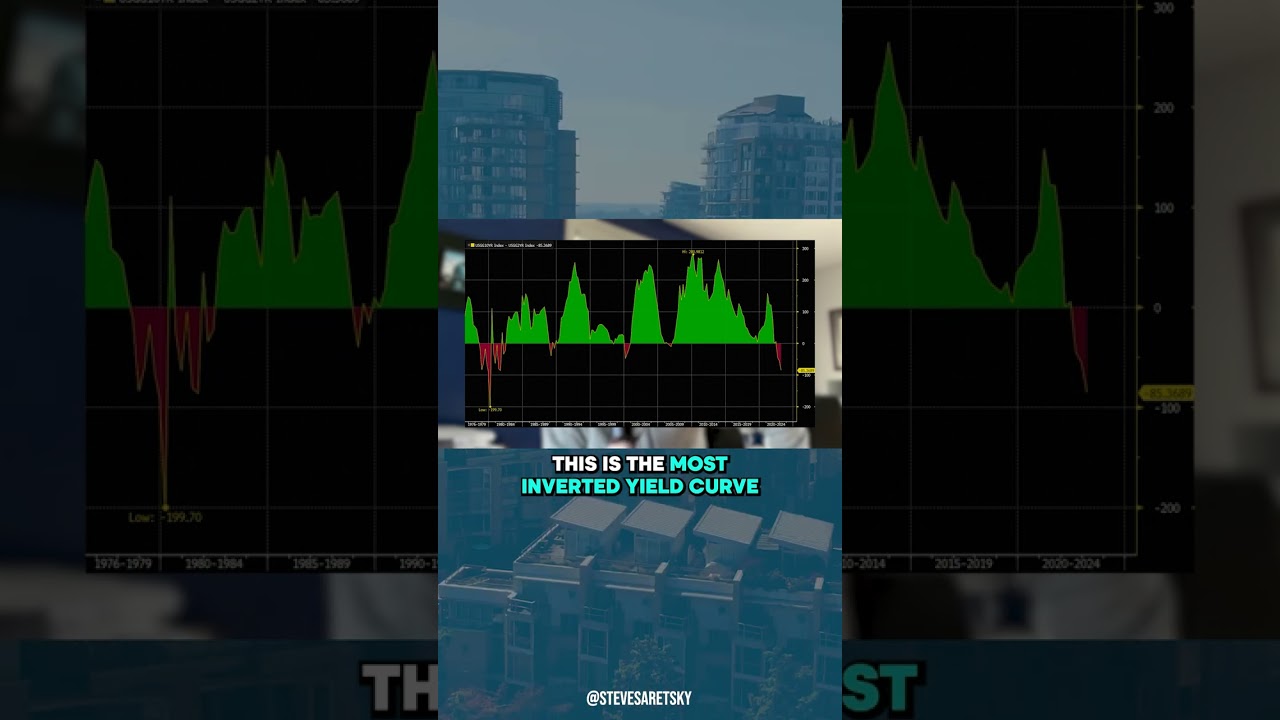
This Chart Should Alarm Investors Worldwide: A Macro-Economic Warning Sign
In a world increasingly tied together by global trade and digital interconnections, a new chart has surfaced that raises alarm bells for investors and economic analysts alike. Projected trends in global economic indicators suggest that we may be on the brink of a significant recession, which could have profound consequences for markets, businesses, and households across the globe.
Understanding the Chart
The chart in question illustrates a confluence of declining GDP growth rates, rising inflation, increasing unemployment rates, and dwindling consumer confidence across several key economies. Each of these indicators is a critical piece of the macroeconomic puzzle, and together they suggest a precarious future.
1. Declining GDP Growth: The International Monetary Fund (IMF) forecasts a slowdown in global GDP growth, with many economies teetering on the brink of contraction. Countries that once showed robust growth—such as the U.S., China, and many European nations—are now adjusting their projections downward. A declining GDP is often viewed as a precursor to recession when growth rates dip below the zero threshold.
2. Rising Inflation: Inflation rates have surged to levels not seen in decades, driven by supply chain disruptions, rising energy costs, and geopolitical tensions. While central banks have responded with aggressive interest rate hikes, the battle against inflation is proving to be more complex than anticipated, leaving investors uncertain about monetary policy’s effectiveness and timing.
3. Increasing Unemployment: As companies brace for slower sales and tightening economic conditions, layoffs have become increasingly frequent. Unemployment rates, while historically low, are beginning to creep up in several sectors, indicating that businesses are preparing for a potential downturn. High unemployment not only weakens consumer spending but can also erode investors’ confidence in future economic stability.
4. Dwindling Consumer Confidence: Consumer confidence is a critical driver of economic growth. With rising living costs and growing concerns about job security, many consumers are pulling back on discretionary spending. A decline in consumer confidence not only signals weaker demand for goods and services but also poses risks for retail and other consumer-dependent sectors.
The Ripple Effect
The implications of these macroeconomic indicators are multifaceted and resonate across the globe. Countries that are heavily reliant on exports may find themselves particularly vulnerable as global demand wanes. Emerging markets, already grappling with high debt levels and limited access to capital, could face financial crises.
Moreover, sectors such as real estate, construction, and manufacturing are likely to bear the brunt of any downturn, leading to a ripple effect that can impact jobs, wages, and corporate profits.
Preparing for a Possible Recession
Given this alarming panorama, investors should consider adopting a more defensive investment strategy. Here are some suggestions:
-
Diversification: Spread investments across different asset classes (stocks, bonds, real estate, commodities) and geographical regions to mitigate risks.
-
Quality Over Quantity: Prioritize companies with robust balance sheets, strong cash flows, and a history of weathering economic downturns.
-
Focus on Defensive Stocks: Consider investing in sectors that tend to perform well in recessions, such as utilities, consumer staples, and healthcare.
-
Stay Informed: Keep a close eye on economic indicators and be prepared to adjust your portfolio in response to changing market conditions.
- Cash Reserves: Maintaining a healthy cash reserve can provide you with flexibility and security in uncertain times.
Conclusion
In conclusion, the chart that highlights declining growth, rising inflation, increasing unemployment, and diminishing consumer confidence ought to be a wake-up call for investors worldwide. While markets periodically experience fluctuations, the current confluence of macroeconomic factors suggests that we may be approaching a significant downturn. Vigilance and strategic planning can help investors navigate the challenges ahead, but awareness of the potential global recession is step one in safeguarding financial interests in the tumultuous landscape of 2023.
By heeding these warnings and adjusting strategies accordingly, investors can better position themselves to weather the storm ahead, making informed decisions that protect and potentially grow their portfolios in challenging economic times.
BREAKING: Recession News
REVEALED: Best Investment During Inflation
HOW TO INVEST IN GOLD: Gold IRA Investing

0 Comments