
[ad_2]
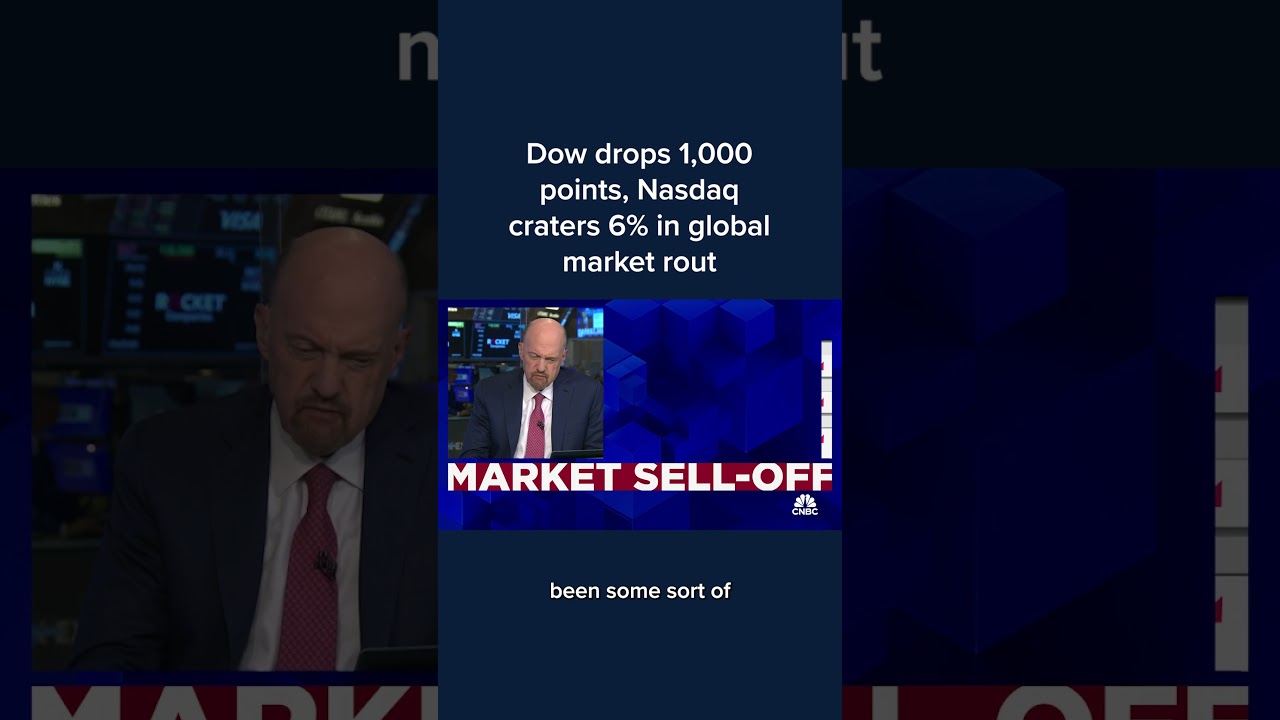
Red Alert on Wall Street: Dow Plunges 1,000 Points as Nasdaq Suffers 6% Meltdown Amid Global Market Rout
Wall Street endured a brutal day of trading on Thursday, sending shockwaves through global markets as investors grappled with growing fears of persistent inflation, aggressive interest rate hikes, and a potential economic recession. The Dow Jones Industrial Average plummeted over 1,000 points, marking one of its worst days of the year, while the tech-heavy Nasdaq Composite cratered by a staggering 6%, signaling a deep-seated panic among investors in growth stocks.
The sell-off was broad and indiscriminate, affecting nearly every sector. Energy, technology, and consumer discretionary stocks bore the brunt of the pain, with prominent companies like Apple, Amazon, and Microsoft all experiencing significant losses.
What Triggered the Carnage?
Several factors converged to create the perfect storm that engulfed the markets:
- Inflation Fears Persist: Despite recent interest rate hikes by the Federal Reserve, inflation remains stubbornly high, fueling concerns that the central bank will need to take even more aggressive action to cool down the economy. The worry is that these drastic measures could trigger a recession.
- Hawkish Federal Reserve: Minutes from the latest Federal Reserve meeting, released earlier this week, revealed a strong consensus among policymakers to continue raising interest rates to combat inflation, even if it means risking economic slowdown. This hawkish stance spooked investors who were hoping for a more moderate approach.
- Weak Economic Data: Recent economic data has painted a mixed picture, with some indicators suggesting a potential slowdown in growth. This uncertainty adds to the anxiety surrounding the possibility of a recession.
- Geopolitical Concerns: The ongoing war in Ukraine continues to fuel global uncertainty and contribute to inflationary pressures, further weighing on investor sentiment.
- Lockdown in China: Fresh COVID-19 lockdowns in China, the world’s second-largest economy, are exacerbating supply chain disruptions and raising concerns about global growth prospects.
The Nasdaq’s Tech Wreck:
The Nasdaq Composite was particularly hard hit, reflecting investor unease about the future growth prospects of technology companies. The relentless rise of tech stocks during the pandemic era appears to be losing steam as investors re-evaluate valuations in light of rising interest rates and a potential economic slowdown. Many high-growth, unprofitable tech companies are now seen as riskier investments in a more challenging economic environment.
Global Impact:
The U.S. market rout sent ripples across global markets, with stocks in Asia and Europe also experiencing significant declines. The interconnectedness of the global financial system means that market turmoil in one region can quickly spread to others.
What’s Next?
The near-term outlook remains uncertain. The volatility is likely to continue as investors digest the latest economic data and await further guidance from the Federal Reserve.
- Monitor Inflation Data: The upcoming release of inflation data will be closely watched for any signs that price pressures are easing.
- Federal Reserve Action: The Federal Reserve’s next move will be crucial in determining the direction of the markets. Investors will be scrutinizing the central bank’s communication for clues about its future policy intentions.
- Economic Growth: The overall health of the economy will be a key factor in determining whether the current market correction turns into a full-blown bear market.
Advice for Investors:
In times of market turmoil, it’s crucial for investors to remain calm and avoid making rash decisions.
- Stay Diversified: Diversification is key to mitigating risk. Make sure your portfolio is spread across different asset classes.
- Review Your Risk Tolerance: Understand your own risk tolerance and adjust your portfolio accordingly.
- Focus on the Long Term: Remember that market corrections are a normal part of the investment cycle. Focus on your long-term financial goals and avoid getting caught up in short-term market fluctuations.
- Consider Consulting a Financial Advisor: If you’re unsure about how to navigate the current market environment, consider seeking advice from a qualified financial advisor.
The market volatility is a stark reminder of the inherent risks involved in investing. While the current situation is undoubtedly concerning, it’s important to remember that markets can recover, and periods of downturn can often create opportunities for long-term investors. Stay informed, stay disciplined, and focus on your long-term goals.
LEARN MORE ABOUT: Investing During Inflation
REVEALED: Best Investment During Inflation
HOW TO INVEST IN GOLD: Gold IRA Investing
HOW TO INVEST IN SILVER: Silver IRA Investing

Massive sell off on wall street