
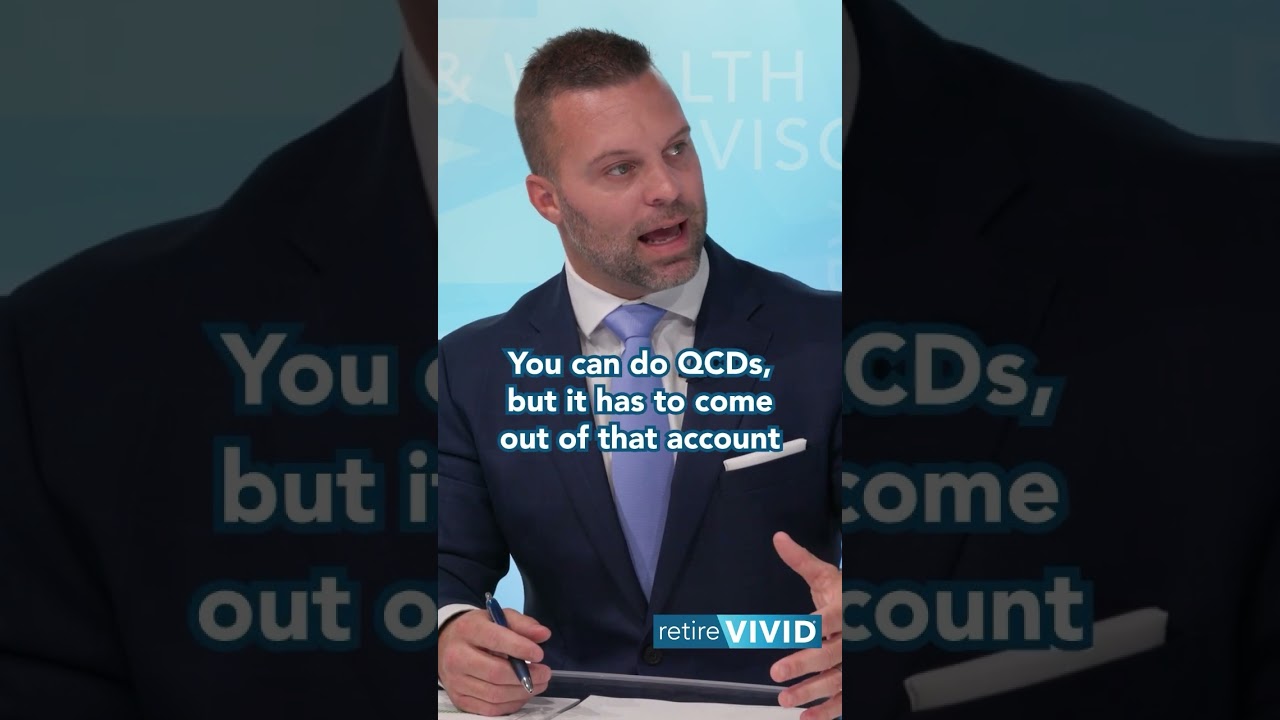

Can You Convert a Required Minimum Distribution?
As you approach retirement, understanding the complexities of retirement accounts and their tax implications becomes crucial. One of those complexities is the Required Minimum Distribution (RMD) — a term that can often leave many retirees scratching their heads. If you’ve reached the age of 72 (as of 2023) and have funds in tax-deferred retirement accounts, you’re likely required to take these distributions. However, you might be wondering: Can I convert my RMD into a Roth IRA? Let’s explore this question and its implications for your retirement savings.
What is a Required Minimum Distribution?
A Required Minimum Distribution is the minimum amount you must withdraw from your retirement accounts annually after reaching the age of 72. This rule applies to traditional IRAs, 401(k)s, and other tax-deferred retirement accounts. The IRS mandates these withdrawals to ensure that you eventually pay taxes on the money you have accumulated tax-free over the years. Failing to take an RMD can result in hefty penalties, so understanding your obligations is essential.
Can You Convert Your RMD into a Roth IRA?
The short answer is no; you cannot convert your RMD directly into a Roth IRA. The IRS explicitly states that RMD amounts cannot be rolled over or converted to another retirement account, including a Roth IRA. This means that any funds that you are required to withdraw must be taken as cash, and you will incur income taxes on the amount you withdraw.
What Are Your Options?
While you can’t convert your RMD directly, there are still several strategies you can employ to optimize your tax situation and retirement savings:
-
Use the RMD for Living Expenses: If you need the funds for living expenses or other needs, simply use your RMD as intended. This reduces your taxable income for that year.
-
Charitable Contributions: You might consider making a Qualified Charitable Distribution (QCD), where you direct your RMD (up to $100,000) to a qualified charity. This allows you to satisfy your RMD requirements while potentially decreasing your taxable income since this amount is excluded from your taxable income.
-
Invest After-Tax: If you don’t need the RMD for immediate expenses, consider investing the cash after you withdraw it. While you cannot directly convert to a Roth IRA, you can invest in a taxable account, which allows you to potentially grow your savings over time.
- Reassess Your Retirement Strategy: Consult a financial advisor to reevaluate your overall retirement strategy. They can help you determine how to minimize the tax burden of your RMDs and explore other investment options.
Planning for the Future
Even though you cannot convert your RMD into a Roth IRA, it’s essential to maintain a proactive approach toward retirement planning. By understanding IRS rules and regulations regarding RMDs and engaging in strategic tax planning, you can ensure your retirement savings work effectively for you.
In summary, while direct conversion of your RMD to a Roth IRA isn’t feasible, there are several methods for managing your RMD effectively. Charitable giving, tailored investment strategies, and making informed financial decisions can align your retirement income with your long-term goals while minimizing tax implications. As always, working with a financial advisor tailored to your individual situation can help you make the most tax-smart decisions regarding your retirement savings.
Key Takeaways:
- RMDs must be taken as cash and cannot be converted directly to a Roth IRA.
- Consider Quality Charitable Distributions (QCDs) to fulfill RMDs while lowering your taxable income.
- Engage in strategic planning to optimize your withdrawals and investments for long-term financial health.
Embarking on your retirement journey requires informed decisions – being tax-smart today can lead to a more vivid and secure retirement tomorrow. #taxsmart #retirementsavings #retirevivid
LEARN MORE ABOUT: IRA Accounts
TRANSFER IRA TO GOLD: Gold IRA Account
TRANSFER IRA TO SILVER: Silver IRA Account
REVEALED: Best Gold Backed IRA




0 Comments