
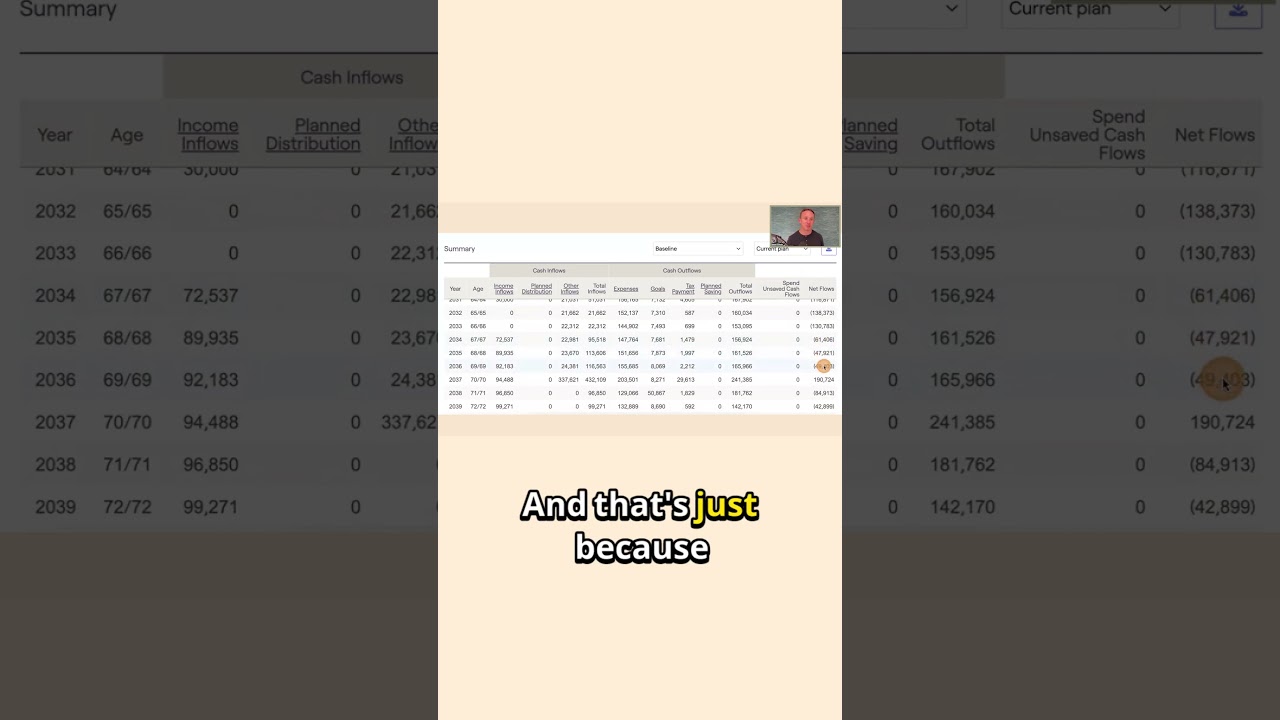

Can We Still Retire if We Don’t Receive the $750k Inheritance We’re Expecting?
Inheritance can significantly impact one’s financial landscape, particularly for those approaching retirement. For many, a potential inheritance serves as a financial cushion, allowing for a more comfortable lifestyle during retirement years. However, what happens when those expectations are dashed? If your anticipated $750,000 windfall does not materialize, can you still retire comfortably? Here are several points to consider.
The Reality of Inheritance
First, it’s essential to recognize that expecting an inheritance can create a false sense of security. Many factors can influence whether an inheritance will be received, including changes in the family dynamics, unexpected expenses, medical bills, or the simple unpredictability of life. Retirement savings should ideally not rely on uncertain future events.
Evaluate Your Current Financial Situation
Before diving into strategies, it’s vital to assess your financial standing. Take a clear inventory of your current assets, liabilities, income, and expenses. This comprehensive understanding will help you determine how much you can realistically count on for retirement. Factors to consider include:
- Retirement Accounts: Consider the funds within your 401(k), IRA, or other retirement accounts.
- Pension Plans: If you have a pension, understand how it works and how much it will provide each month.
- Primary Residence: This is often a significant asset. Evaluate its current market value and what part it plays in your retirement plan.
- Other Investments: Stocks, bonds, mutual funds, and real estate can also supplement your retirement income.
Recalculating Your Retirement Plan
If it becomes clear that the $750,000 inheritance won’t be forthcoming, it’s time to revisit your retirement strategy. Here are some adjustments you can make to ensure a secure retirement:
-
Increase Your Savings Rate: If your inheritance isn’t coming through, consider ramping up your contributions to retirement accounts. Aim for at least 15% of your gross income if possible, and maximize contributions to tax-advantaged accounts.
-
Choose a Later Retirement Age: Adjusting your expected retirement age can significantly impact your savings and Social Security benefits. Working longer not only allows more time for savings to grow but may also increase the amount you receive from Social Security.
-
Cut Expenses: Evaluate your current spending habits and identify areas where you can cut back. Downsizing your home, eliminating unnecessary subscriptions, or reducing discretionary spending can help you save more and live within your means during retirement.
-
Diversify Your Income Streams: Look for additional income opportunities. Part-time work, consulting, or even turning a hobby into a revenue stream can provide financial relief and supplement retirement income.
- Consider Delaying Social Security Benefits: If possible, delaying the start of your Social Security benefits can increase the amount you receive. Benefits increase significantly for each year you delay, allowing for a stronger financial position later in retirement.
Adopt a Flexible Mindset
Accept that life is unpredictable; thus, adopting a flexible mindset towards retirement planning is crucial. Work with a financial advisor to create a diversified investment portfolio that can withstand market fluctuations and draw on multiple income sources during retirement.
Additionally, consider your expected lifestyle in retirement. Are you hoping to travel extensively, or are you content with a quieter lifestyle? Adjusting your dreams and expectations can lead to a more attainable and satisfying retirement plan.
Embrace Alternative Solutions
If your expected inheritance has a significant impact on your planning, consider alternatives like continuing to work part-time, utilizing a reverse mortgage, or seeking government assistance programs designed to support seniors.
Conclusion
While the anticipated $750,000 inheritance could have provided a significant boost to your retirement plans, its absence does not mean that retirement must be eliminated from your future. By taking proactive steps—like evaluating your financial situation, recalibrating your expectations, and adopting a flexible mindset—you can still achieve a fulfilling retirement. The key is preparation, adaptability, and seeking out multiple avenues for securing your financial future. Above all, reframe your mentality: rather than seeing it as a setback, view it as an opportunity for growth and self-discovery as you move forward in your life’s journey.
LEARN MORE ABOUT: IRA Accounts
TRANSFER IRA TO GOLD: Gold IRA Account
TRANSFER IRA TO SILVER: Silver IRA Account
REVEALED: Best Gold Backed IRA



https://cliocloudconference.com/speakers/
I have seen retirees who did not upsize from their starter home, be able to stay in their home. I've seen retirees who moved around and up and up, end up as renters in their latter years.