
[ad_2]
Cramer Sounds Alarm on Regional Banks After Thursday’s Market Wobble: Is the Panic Overblown?
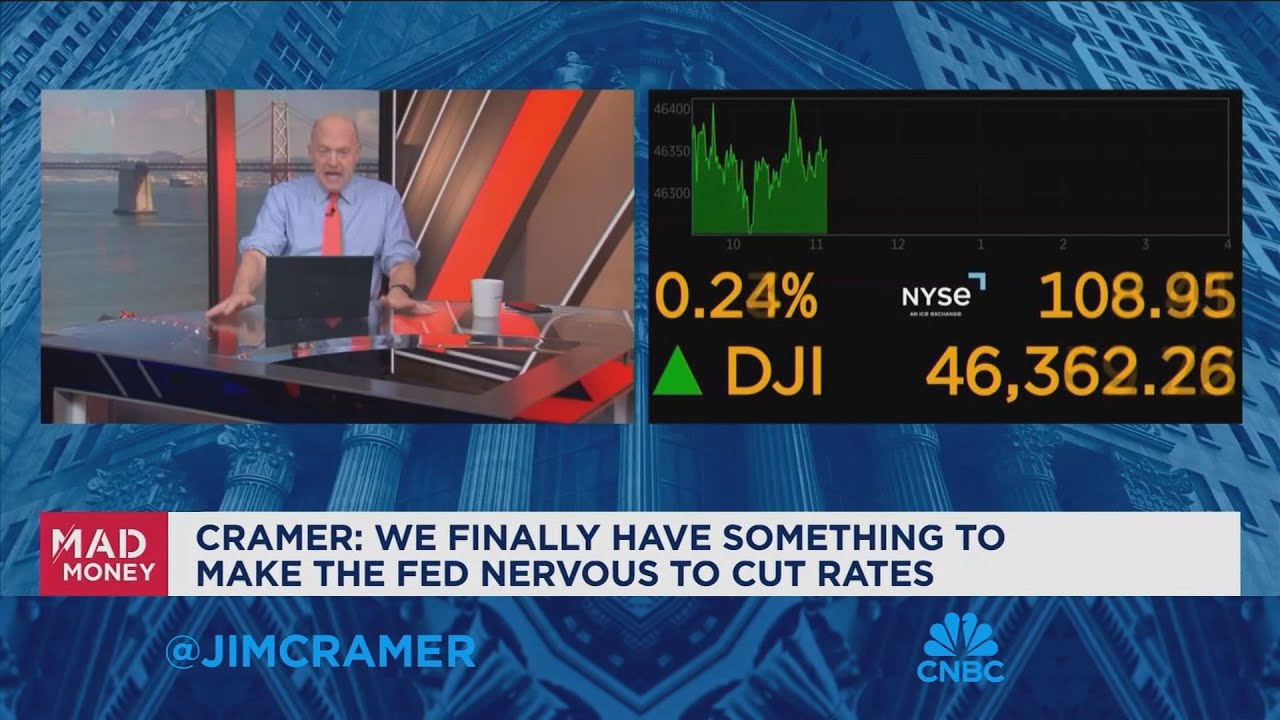
Thursday’s market action, particularly the renewed sell-off in regional bank stocks, has CNBC’s Jim Cramer on edge. While he acknowledges the broader market showed resilience, he’s not dismissing the warning signs emanating from the banking sector, urging investors to proceed with caution.
“The market brushed off some bad news,” Cramer admitted on “Mad Money” after the closing bell. “But the regional bank sell-off? That’s not something you just sweep under the rug.”
The catalyst for the Thursday jitters was, at least in part, concerns surrounding PacWest Bancorp, which saw its stock plummet despite assurances of its stability. This triggered a ripple effect, dragging down other regional players and rekindling fears of a potential banking crisis similar to what rattled the markets earlier this year.
Cramer, a long-time advocate for understanding the intricacies of the market, pinpointed several key issues contributing to the renewed anxiety:
- “The Fear Trade is Alive and Well”: He argued that the market continues to be driven by fear, with traders quick to sell off regional banks on any hint of trouble, regardless of the underlying fundamentals. This knee-jerk reaction, he believes, is creating unwarranted volatility.
- Higher Rates, Higher Risk: The Federal Reserve’s aggressive interest rate hikes are putting pressure on regional banks, particularly those with large portfolios of long-term bonds purchased when rates were low. These banks face challenges in managing their asset-liability mismatch, potentially leading to liquidity issues.
- Deposit Flight Continues: While not as severe as during the initial panic, Cramer believes that some depositors are still moving their money from smaller regional banks to larger, perceived-as-safer institutions. This outflow of deposits further weakens the balance sheets of vulnerable banks.
However, Cramer also cautioned against painting all regional banks with the same brush. He emphasized the importance of due diligence and distinguishing between institutions with strong fundamentals and those genuinely facing solvency concerns.
“You can’t just blindly sell everything,” he stated. “You need to understand the individual bank, their capital ratios, their loan book, and their overall financial health.”
Cramer’s Action Plan: A Balanced Approach
So, what does Cramer suggest investors do in the face of this uncertainty? His advice is a nuanced blend of caution and opportunity:
- Diversify: He reiterated the importance of diversifying portfolios beyond regional banks, especially into sectors less susceptible to interest rate risk and economic downturns.
- Focus on Quality: When considering investments in the financial sector, he recommends sticking to well-capitalized, systemically important institutions with proven track records.
- Do Your Homework: Conduct thorough research on any regional bank before investing. Analyze their financial statements, listen to earnings calls, and understand their specific risk profile.
- Don’t Panic Sell: While acknowledging the potential for further volatility, he cautioned against panic selling, especially if your investment thesis remains intact.
- Look for Opportunities: If you’ve done your homework and believe a specific regional bank is undervalued, the current market environment could present a buying opportunity. However, he stressed the importance of having a long-term perspective and a high tolerance for risk.
The Verdict: Proceed with Caution, But Don’t Abandon the Sector Entirely
Ultimately, Cramer’s message is one of cautious optimism. He acknowledges the real challenges facing the regional banking sector but believes that the panic may be overblown. By focusing on quality, diversifying portfolios, and conducting thorough research, investors can navigate the current uncertainty and potentially find opportunities amidst the volatility. However, he repeatedly stressed the importance of understanding the risks involved and avoiding emotional decisions based solely on fear.
While Thursday’s market moves and regional bank sell-off should serve as a wake-up call, it doesn’t necessarily signal an impending collapse. Instead, it reinforces the need for prudence, due diligence, and a balanced approach to investing in the financial sector. As Cramer would say, “Know what you own, and know why you own it.”
LEARN MORE ABOUT: Investing During Inflation
REVEALED: Best Investment During Inflation
HOW TO INVEST IN GOLD: Gold IRA Investing
HOW TO INVEST IN SILVER: Silver IRA Investing

The stock market has nothing to do with the economy.