
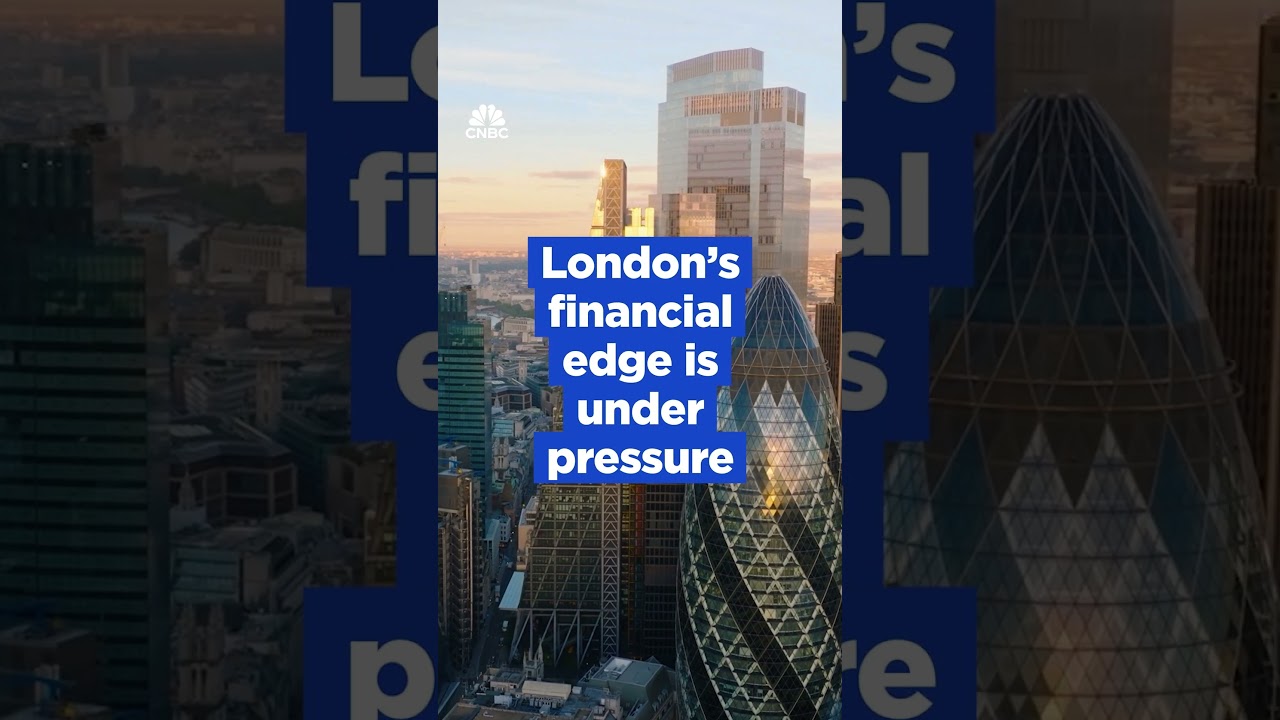

From Brexit Fears to Fintech Frontiers: How London’s Financial Sector Has Evolved Over the Last Eight Years
The last eight years have been a period of seismic shifts for London’s financial sector. From the looming shadow of Brexit to the rapid rise of fintech and the disruption of global pandemics, the City has faced unprecedented challenges and undergone significant transformations. This article explores how London’s financial landscape has evolved since 2016, examining its resilience, adaptability, and future prospects.
The Brexit Earthquake and its Aftershocks (2016-2019):
The 2016 Brexit referendum sent shockwaves through the financial world, triggering anxieties about the future of London’s role as a global financial hub. Concerns about passporting rights, regulatory divergence, and talent attrition dominated the narrative. While some firms opted to relocate parts of their operations to cities like Paris, Frankfurt, and Dublin, the anticipated mass exodus largely failed to materialise.
London proved remarkably resilient. Several factors contributed to this. Firstly, the City’s established infrastructure, deep talent pool, and sophisticated ecosystem proved difficult to replicate. Secondly, the UK government, through various policy initiatives, actively worked to reassure the financial community and maintain its competitive edge. Finally, a gradual understanding of the complexities of Brexit and its implications helped to mitigate the initial panic.
During this period, London focused on solidifying its position as a global centre for specific areas like asset management, insurance, and foreign exchange trading. The sector also began to actively embrace technological innovation as a means of navigating the uncertainties of the new landscape.
The Rise of Fintech and Digital Transformation (2019-Present):
Even amidst Brexit uncertainties, the fintech revolution continued to gather momentum. London cemented its status as a global fintech hub, attracting significant investment and nurturing a vibrant ecosystem of startups. This was driven by several factors:
- A supportive regulatory environment: The UK’s Financial Conduct Authority (FCA) has been proactive in fostering innovation through initiatives like regulatory sandboxes and fintech accelerators.
- Access to capital: London boasts a thriving venture capital scene, providing startups with the funding needed to scale their businesses.
- A deep talent pool: The City attracts skilled engineers, developers, and financial professionals from around the world.
- Collaborative partnerships: Established financial institutions increasingly partnered with fintech startups to leverage their technological expertise.
The pandemic further accelerated the digital transformation of the financial sector. Remote working became the norm, driving demand for digital solutions and prompting traditional institutions to invest heavily in technology. The rise of digital payments, online banking, and algorithmic trading are just some examples of how fintech has reshaped the industry.
Adapting to a New World (2022-Present):
While the immediate aftermath of Brexit has subsided, its longer-term implications are still unfolding. The UK is pursuing its own regulatory agenda, leading to potential divergence from EU standards. The challenge lies in striking a balance between maintaining international competitiveness and aligning with global best practices.
Furthermore, London faces increasing competition from other financial centres, both within Europe and globally. Cities like Singapore, New York, and Dubai are vying for a larger share of the financial pie.
However, London continues to leverage its strengths to remain a leading player. Sustainable finance is a growing area of focus, with the City positioned to become a global centre for green finance. Furthermore, the UK government is actively pursuing trade deals with countries around the world, aiming to boost trade and investment flows.
Looking Ahead:
The future of London’s financial sector hinges on its ability to adapt to evolving global dynamics. Key priorities include:
- Embracing technology: Continued investment in fintech and digital infrastructure is essential to maintain its competitive edge.
- Attracting and retaining talent: London needs to remain an attractive destination for skilled professionals from around the world.
- Navigating regulatory complexities: Striking the right balance between regulation and innovation is crucial for fostering growth.
- Championing sustainable finance: Positioning itself as a leader in green finance will attract investors and contribute to a more sustainable future.
The last eight years have demonstrated London’s resilience and adaptability in the face of significant challenges. While uncertainties remain, the City’s deep-rooted strengths, coupled with its commitment to innovation, position it to remain a major force in the global financial landscape for years to come. The journey may not be without its bumps, but London’s financial sector has proven its ability to navigate turbulent waters and emerge stronger.
LEARN MORE ABOUT: Investing During Inflation
REVEALED: Best Investment During Inflation
HOW TO INVEST IN GOLD: Gold IRA Investing
HOW TO INVEST IN SILVER: Silver IRA Investing




It’s gone down as the Indians go up
Maybe if you stop sinking all your money into your defense alliance for all your needs. But now the collapse is inevitable regardless of what you call it.
What are the chances we’ll ever have policy makers working in interests of the country’s working population.
Just no incentive to work beyond certain tax thresholds – the most productive limit their contributions.
We need a massive overhaul to the tax system. Government spending is also way beyond that the economy can afford.
Changes needed – but do we have the right leadership?
UK just signed a FTA with India, the world's largest singular national population and the largest middle class. Watch that grow!
The peak of inflation isn't helpful information. It is the area under the curve. 11% y-o-y can mean less ill inflation if it was shorter duration. Unfortunately for England, it wasn't, so the felt inflation was even higher than the 24% felt by US over the last 3 years.
These aren’t exactly groundbreaking revelations…