Written by Retirement Advisor Published May 3, 2025
Market Overtime: Is the Economy Already in a Recession?
As economic indicators fluctuate and consumer sentiment shifts, many are left wondering: is the economy already experiencing a recession? Let’s dive into the key signs and statistics that are fueling this debate.
Understanding Recession
A recession is typically defined as a significant decline in economic activity that lasts more than a few months. This includes drops in GDP, income, employment, manufacturing, and retail sales. The National Bureau of Economic Research (NBER) officially declares recessions, but many analysts look for early warning signs.
Current Economic Indicators
GDP Decline: Recent reports show fluctuations in GDP growth rates. A decrease for two consecutive quarters is a classic indicator of a recession.
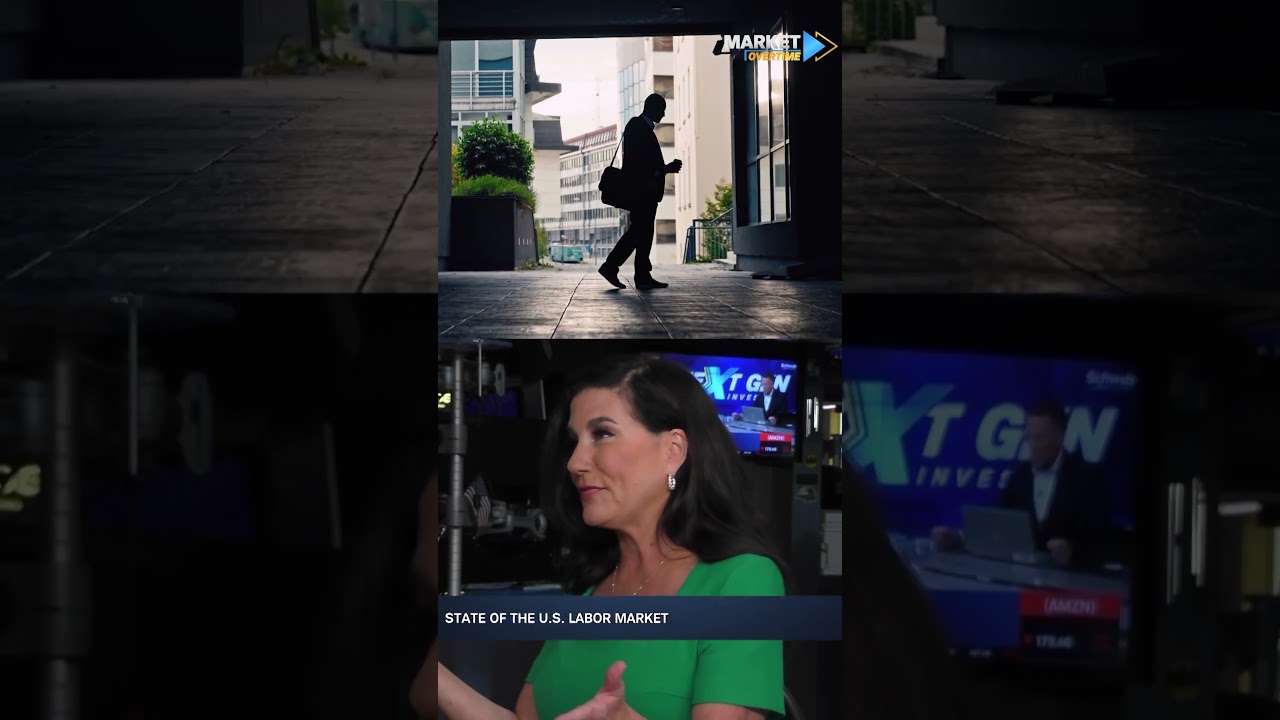
Unemployment Rates: While unemployment rates have remained relatively low, recent job market shifts show signs of slowing hiring. High-profile layoffs in tech and other sectors raise concerns about future employment stability.
Consumer Spending: As inflation persists, consumers are tightening their belts. A notable drop in retail sales could indicate decreased consumer confidence, often a precursor to a recession.
Stock Market Volatility: Frequent market swings can be a sign of economic distress. A bearish stock market often reflects investor anxiety about future economic conditions.
Interest Rates: The Federal Reserve’s aggressive rate hikes are meant to combat inflation but can also slow down economic growth. Higher borrowing costs may deter consumer and business spending.
Conclusion
While some experts argue that the economy may not yet be in a recession, the combination of stagnant growth and negative economic indicators raises red flags. Monitoring key statistics will be essential in the coming months. Investors and consumers need to remain vigilant as the economic landscape evolves.





Now in a few months markets will collapse. The US is done.