
[ad_2]
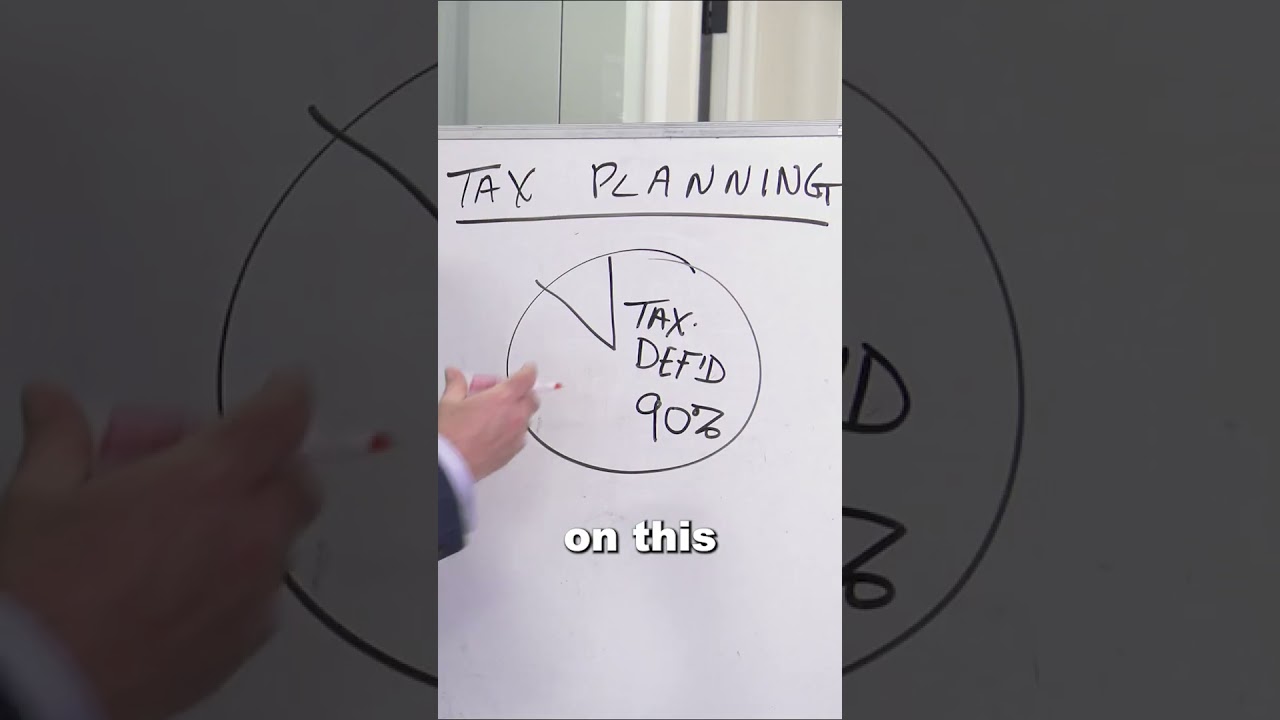
Tax Planning for Retirement: Shorts #3 – Minimize Your Retirement Tax Bite! #RetirementPlanning #TaxPlanning #RetirementTaxes
Retirement is supposed to be a time of relaxation and enjoying the fruits of your labor, not worrying about sky-high tax bills. But without proper planning, taxes can significantly impact your retirement income. This is the third short in our series focused on key tax planning strategies to help you maximize your retirement nest egg.
Today’s Focus: Understanding Your Retirement Accounts and Their Tax Implications
The first step to effective tax planning is understanding how your retirement accounts are taxed. Here’s a quick rundown:
-
Traditional IRA/401(k): Contributions are often tax-deductible, reducing your taxable income now. However, withdrawals in retirement are taxed as ordinary income. Think of it as postponing the tax bill until later.
-
Roth IRA/401(k): Contributions are made with after-tax dollars, meaning you don’t get a deduction now. The big benefit? Qualified withdrawals in retirement are completely tax-free!
-
Taxable Brokerage Accounts: These accounts offer no upfront tax benefits. However, qualified dividends and long-term capital gains (profits from selling assets held for over a year) are taxed at lower rates than ordinary income.
Key Takeaways & Actionable Tips:
-
Know Your Account Mix: Understand the types of retirement accounts you have and their respective tax treatments. This knowledge is crucial for developing a sound withdrawal strategy.
-
Consider Roth Conversions: If you expect to be in a higher tax bracket in retirement, converting some of your traditional IRA/401(k) assets to a Roth account might be beneficial. You’ll pay taxes on the conversion now, but future withdrawals will be tax-free. Consult a financial advisor before making any conversions.
-
Strategize Your Withdrawals: Don’t just pull money randomly. Consider which accounts to tap first to minimize your overall tax burden. Often, drawing from taxable accounts first and deferring taxes on tax-deferred accounts longer is a good strategy.
-
Don’t Forget Required Minimum Distributions (RMDs): Once you reach a certain age (currently 73, increasing to 75 in the future), you’ll be required to take minimum distributions from your traditional retirement accounts. Planning for these RMDs is essential to avoid unwanted tax surprises.
In Conclusion:
Tax planning for retirement is an ongoing process, not a one-time event. Understanding the nuances of your retirement accounts and implementing smart strategies can help you keep more of your hard-earned money. Stay tuned for more shorts on retirement tax planning!
Disclaimer: This is for informational purposes only and does not constitute financial advice. Please consult with a qualified financial advisor and tax professional for personalized guidance.
LEARN MORE ABOUT: Thrift Savings Plan
REVEALED: Best Investment During Inflation
HOW TO INVEST IN GOLD: Gold IRA Investing
HOW TO INVEST IN SILVER: Silver IRA Investing


0 Comments