
[ad_2]
How to Deal with a Forced Retirement: Finding New Purpose and Joy in Life After Work
Retirement can be a significant life transition, often associated with celebrations and the joy of newfound freedom. However, when retirement is forced upon you—whether due to company downsizing, health issues, or other unforeseen circumstances—it can be challenging and emotional. The sudden shift from a structured work environment to a more open-ended lifestyle can be disorienting. Here’s how to cope with a forced retirement and approach this new chapter of life with optimism and purpose.
Understanding the Emotional Impact
-
Acknowledge Your Feelings: Losing a job or being forced into retirement can elicit a range of emotions, including grief, anger, and anxiety. Allow yourself to feel these emotions rather than suppressing them. Journaling or talking to a trusted friend can help you process your feelings.
-
Seek Support: Connect with others who have experienced similar situations. Support groups, friends, and family can provide comfort and understanding. Sometimes, just sharing your story can lighten the emotional load.
- Professional Help: If you find it difficult to cope with your feelings, consider seeking professional counseling. A therapist can help you navigate your emotions and provide coping strategies tailored to your situation.
Reassessing Your Identity
-
Redefine Yourself: Many people define themselves by their careers. Reflect on your skills, passions, and interests outside of work. Consider how these aspects can contribute to your sense of identity in this new phase.
-
Set New Goals: Think about what you want to achieve during this time. Setting personal goals—whether they are travel-related, educational, or hobbies—can provide a sense of purpose and motivation.
- Explore New Interests: Discovering new hobbies or pursuing lifelong passions can be invigorating. Whether it’s painting, gardening, or learning a new language, engaging in activities that excite you can reinvigorate your enthusiasm for life.
Building a New Routine
-
Establish Structure: A sudden lack of routine can lead to feelings of aimlessness. Create a daily schedule that includes time for hobbies, exercise, socializing, and relaxation. A balanced routine can help maintain your mental and emotional well-being.
-
Stay Active: Physical activity is essential for emotional health. Regular exercise can boost your mood, increase energy levels, and enhance your overall quality of life. Consider joining a gym, participating in yoga classes, or taking daily walks.
- Volunteer: Giving back to the community can provide a sense of fulfillment and purpose. Look for volunteer opportunities that align with your interests and values.
Financial Management
-
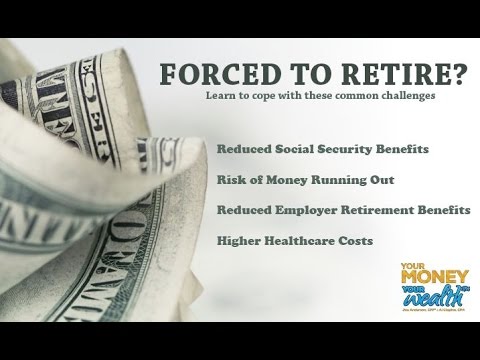
Assess Your Finances: Forced retirement can lead to financial uncertainty. Take time to review your finances, including savings, investments, and potential costs associated with retirement. Consider consulting a financial advisor to map out a sustainable budget.
- Explore Additional Income: If feasible, consider part-time work or freelance opportunities. This can help bridge any financial gaps while also providing a sense of structure and purpose.
Embracing the Future
-
Stay Connected: Maintaining a robust social network is crucial. Plan regular outings with friends and family and stay connected with former colleagues. Healthy relationships can help you feel supported during this transition.
-
Be Open to Change: Forced retirement may present unexpected opportunities. Stay open to exploring new avenues and embracing lifelong learning. Attend workshops or classes that interest you.
- Practice Mindfulness: Practicing mindfulness or meditation can help you remain present and reduce anxiety about the future. These practices can lead to greater self-awareness, enabling you to navigate challenges more effectively.
Conclusion
Dealing with a forced retirement can be a daunting journey, yet it also opens the door to new possibilities and experiences. By acknowledging your emotions, seeking support, and embracing change, you can transform this challenging period into an opportunity for personal growth and fulfillment. Remember that the end of a career chapter can signal the beginning of a new, adventure-filled phase of life. Take it one day at a time, and embrace the journey ahead.
LEARN MORE ABOUT: 401k Plans
REVEALED: Best Investment During Inflation
HOW TO INVEST IN GOLD: Gold IRA Investing
HOW TO INVEST IN SILVER: Silver IRA Investing


0 Comments