
[ad_2]
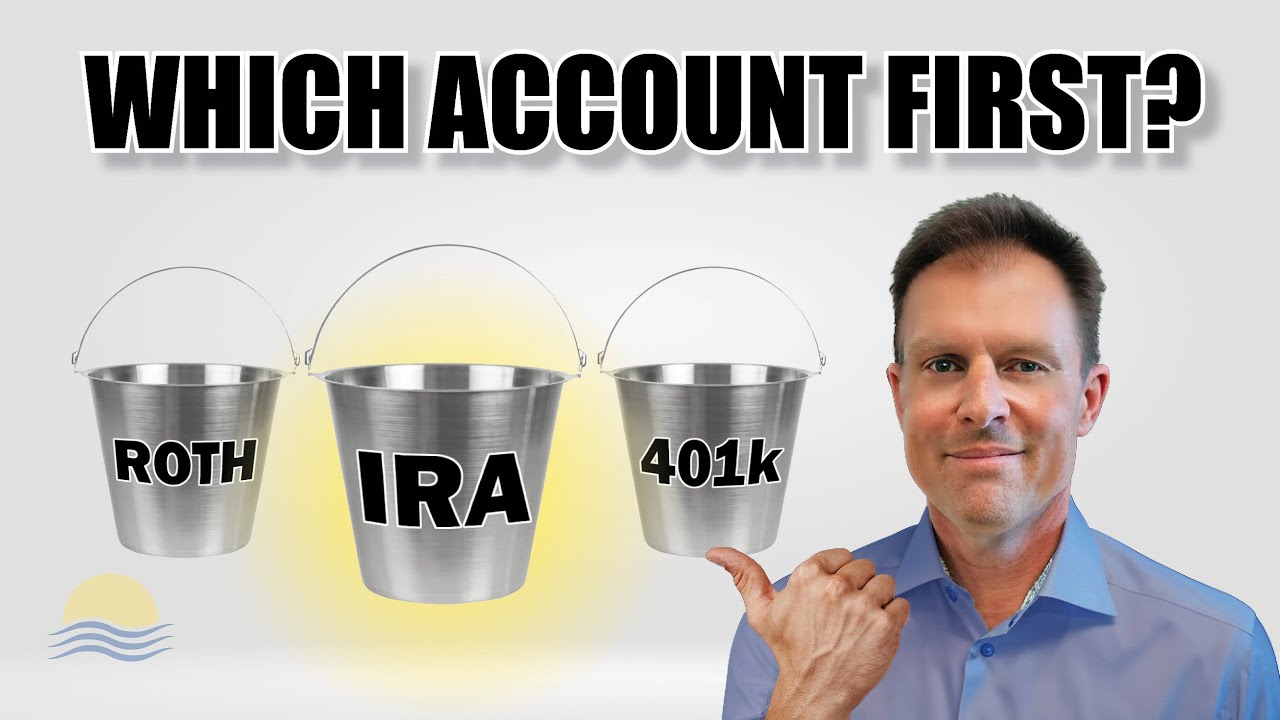
Which Account Should You Use First For Retirement in 2025? A Tactical Approach
Planning for retirement can feel like navigating a maze. With so many account types – 401(k)s, Roth IRAs, Traditional IRAs, and taxable brokerage accounts – knowing where to start can be overwhelming. But having a strategic plan, especially as we look ahead to 2025, is crucial for maximizing your savings and minimizing your tax burden.
The Million-Dollar Question: Which Account First?
There’s no one-size-fits-all answer. The best account to prioritize depends on your individual circumstances, including your income, current tax bracket, expected future tax bracket, employer match policies, and risk tolerance. However, we can break down a general framework to help you make informed decisions.
1. Maximize Employer Matching (if applicable):
This is almost always the top priority. Think of an employer match as free money. Contributing enough to your 401(k) or similar plan to receive the full match is an immediate and guaranteed return on your investment. Leaving money on the table is like turning down a raise.
Why? It’s a dollar-for-dollar (or percentage-for-percentage) boost that significantly accelerates your retirement savings. Even if other options seem appealing, ensure you’re fully capitalizing on this benefit.
2. Roth IRA (or Roth 401(k) if offered):
After maximizing your employer match, consider a Roth IRA (or Roth 401(k), if available). Roth accounts offer after-tax contributions, meaning you pay taxes now, but your qualified withdrawals in retirement are entirely tax-free.
Why Roth Now?
- Tax-Free Growth: This is the biggest advantage. Compounding returns grow tax-free, potentially saving you a significant amount in retirement.
- Future Tax Uncertainty: If you anticipate being in a higher tax bracket in retirement (perhaps due to a larger portfolio or other income streams), a Roth IRA can be a powerful tax hedge.
- Flexibility (for IRA): Roth IRAs offer more flexibility. Contributions can be withdrawn tax-free and penalty-free at any time. While you shouldn’t treat it like a savings account, it offers peace of mind.
Important Note: Roth IRA contributions are subject to income limitations. Check the IRS guidelines for 2025 to ensure you’re eligible. If you’re above the limit, consider a “backdoor Roth IRA,” a strategy involving contributing to a traditional IRA and then converting it to a Roth IRA. Consult with a financial advisor to determine if this is right for you.
3. Traditional IRA (if Roth isn’t suitable):
If you’re not eligible for a Roth IRA or prefer the immediate tax deduction, a traditional IRA might be a better option. Contributions to a traditional IRA are often tax-deductible, reducing your taxable income in the year you contribute.
Why Traditional IRA?
- Immediate Tax Deduction: This can be beneficial if you need to lower your taxable income now.
- Lower Current Tax Bracket: If you’re in a higher tax bracket now but expect to be in a lower bracket in retirement, delaying taxes until retirement might be advantageous.
- Deductible Contributions: Depending on your income and whether you’re covered by a retirement plan at work, your contributions to a traditional IRA may be fully or partially deductible.
4. Back to the 401(k) (if needed):
Once you’ve maximized your employer match and contributed to a Roth or Traditional IRA (up to the contribution limit), return to your 401(k).
Why?
- High Contribution Limits: 401(k)s generally have higher contribution limits than IRAs, allowing you to save more.
- Convenience: Contributions are typically made directly from your paycheck.
- Potentially Lower Fees: Depending on your employer plan, fees might be lower than what you could find on your own.
5. Taxable Brokerage Account:
Finally, if you’ve maxed out all tax-advantaged accounts and still want to save more, a taxable brokerage account is an option.
Why?
- No Contribution Limits: You can contribute as much as you like.
- Flexibility: You have access to a wide range of investments.
However, remember that investment gains in a taxable account are subject to capital gains taxes.
Factors to Consider for 2025:
- Tax Law Changes: Keep an eye on potential tax law changes that could impact retirement accounts. Congress is constantly revisiting tax policy, so staying informed is crucial.
- Inflation: Inflation can erode the purchasing power of your savings. Make sure your investment strategy is designed to outpace inflation.
- Investment Options: Diversify your investments across different asset classes to manage risk.
The Importance of Personalized Advice:
This framework provides a general guideline, but the best approach for you will depend on your specific financial situation and goals. Consulting with a qualified financial advisor can help you:
- Assess your risk tolerance.
- Develop a personalized retirement plan.
- Optimize your asset allocation.
- Navigate complex tax laws.
In conclusion, as we approach 2025, a well-thought-out retirement savings strategy is paramount. Prioritize employer matching, consider the tax benefits of Roth or Traditional IRAs, and understand the implications of using a taxable brokerage account. By taking a proactive approach and seeking professional guidance when needed, you can confidently navigate the retirement landscape and build a secure financial future.
LEARN MORE ABOUT: IRA Accounts
TRANSFER IRA TO GOLD: Gold IRA Account
TRANSFER IRA TO SILVER: Silver IRA Account
REVEALED: Best Gold Backed IRA


0 Comments