Written by Retirement Advisor Published March 23, 2026 · Last updated August 12, 2026
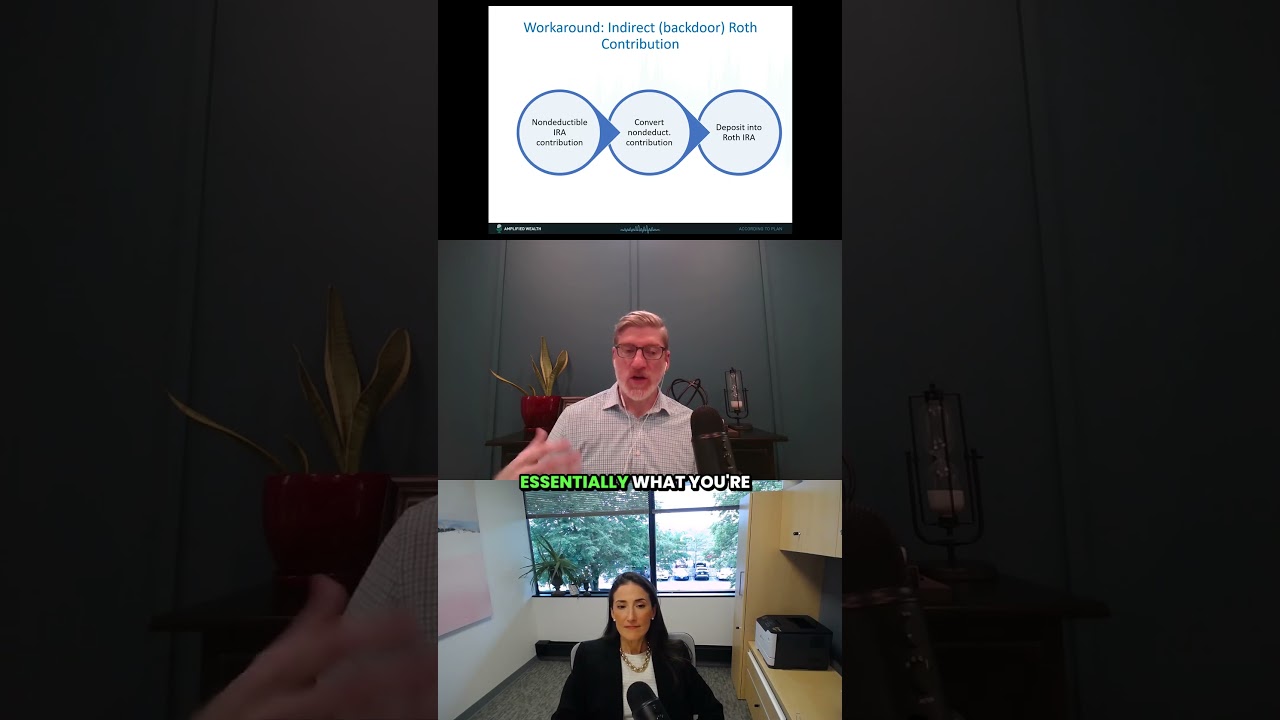
A backdoor Roth IRA conversion is the second half of the two-part backdoor Roth process, and it’s worth understanding on its own. A “conversion” means moving money from a Traditional IRA into a Roth IRA. The IRS taxes the pre-tax portion of whatever you convert as ordinary income in the year of conversion – but if the Traditional IRA money was contributed nondeductibly (after-tax), that portion isn’t taxed again on conversion.
This is what makes the backdoor Roth IRA work: you contribute to a Traditional IRA with after-tax money (up to $7,500 for 2026, or $8,600 if 50+, per IRS Notice 2025-67), then immediately convert it. Since you already paid tax on that money going in, converting it shouldn’t create a new tax bill, assuming it hasn’t grown in value and you have no other pre-tax IRA balances.
That last condition matters. The IRS pro-rata rule under IRC Section 408(d)(2) requires you to treat all your Traditional, SEP, and SIMPLE IRA money as a single combined account for tax purposes when calculating a conversion’s taxable share. If 80% of your total IRA balance is old pre-tax money from a rollover, then 80% of any conversion – including your new backdoor contribution – is taxed as ordinary income, no matter which specific account the money “came from.” Form 8606 is how you and the IRS track your after-tax basis across years.
FAQ
Does converting trigger the 10% early withdrawal penalty? No, conversions are not early withdrawals, though converted amounts are generally subject to a 5-year rule before penalty-free withdrawal if you’re under 59½.



0 Comments