
[ad_2]
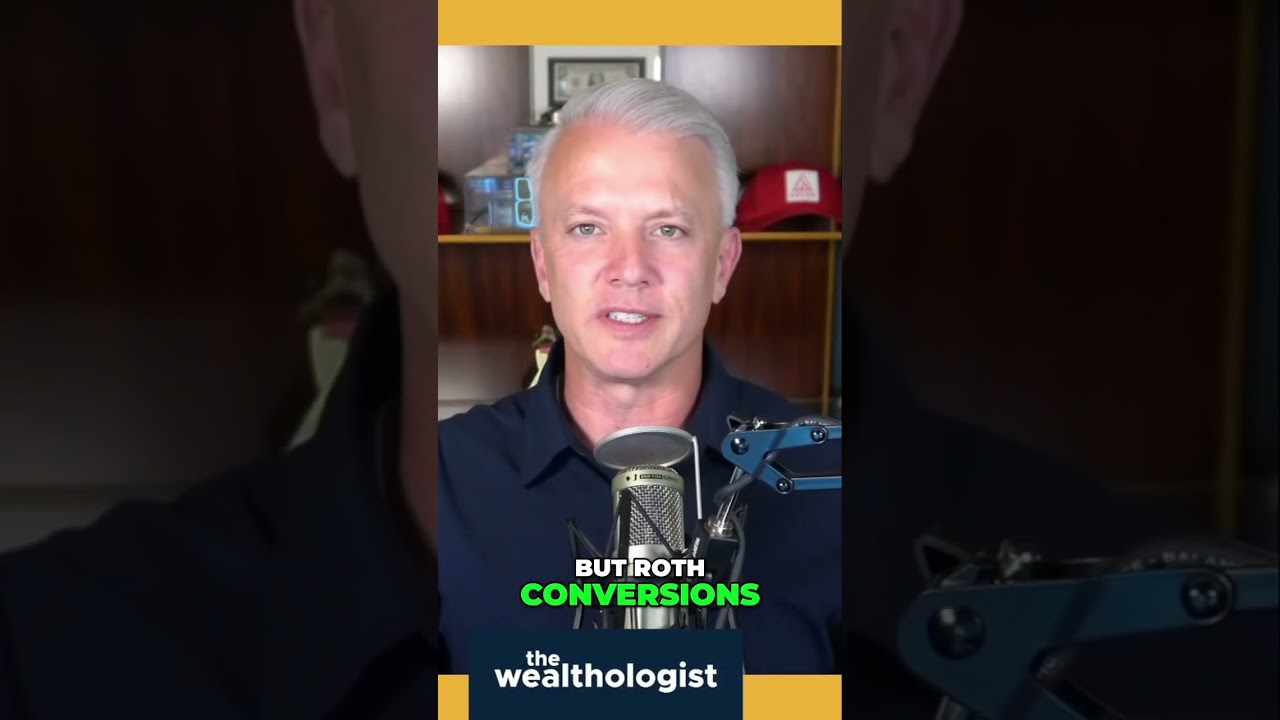
Roth Conversions: Lower Your Tax Bill & Extend Retirement Savings!
In the ever-evolving landscape of retirement planning, Roth conversions have emerged as a powerful strategy to enhance tax efficiency and bolster your retirement savings. By converting traditional retirement accounts to Roth IRAs, individuals can potentially lower their tax bills, enjoy tax-free growth, and extend the longevity of their retirement savings. Here’s a deep dive into how Roth conversions work and the benefits they offer.
Understanding Roth Conversions
A Roth conversion involves transferring funds from a traditional retirement account—like a Traditional IRA or a 401(k)—to a Roth IRA. The key distinction between these two accounts lies in how they are taxed:
-
Traditional IRAs/401(k): Contributions are often made pre-tax, meaning you don’t pay taxes on the money you put in until you withdraw it during retirement. This can lead to a significant tax burden if you have a large balance when you retire.
- Roth IRAs: Contributions are made using after-tax dollars. Although you pay taxes on the money now, qualified withdrawals during retirement—after age 59½ and held for at least five years—are tax-free.
Benefits of Roth Conversions
1. Lower Your Tax Bill in Retirement
One of the most significant advantages of a Roth conversion is the potential to lower your tax bill in retirement. By converting assets to a Roth IRA, you pay taxes on the converted amount now, allowing for tax-free withdrawals later. This can be especially advantageous if you anticipate being in a higher tax bracket during retirement.
2. Tax-Free Growth
Funds in a Roth IRA grow tax-free. Given the compound interest effect, this can lead to significant growth over time. You’ll not only retain the full value of your investments, but you can also pass this tax-free growth to your heirs without forcing them to pay taxes on distributions.
3. No Required Minimum Distributions (RMDs)
Unlike Traditional IRAs, Roth IRAs are not subject to required minimum distributions (RMDs) during the account holder’s lifetime. This means you can let your investments grow without being forced to withdraw a certain amount each year, thus preserving your savings for longer.
4. Flexibility with Income Planning
Converting to a Roth IRA can provide more flexibility in managing your taxable income during retirement. Since withdrawals are tax-free, you can control your income levels to avoid higher tax brackets, minimize Social Security taxation, and manage Medicare premiums, which can be based on income.
5. Estate Planning Benefits
Having a Roth IRA as part of your estate can be beneficial for your heirs. Since Roth IRAs can be inherited without immediate tax implications, they can serve as a tax-efficient means of passing wealth to the next generation.
Key Considerations
While Roth conversions present numerous benefits, they also come with some considerations:
-
Tax Liability Now: The amount converted is added to your taxable income for the year, which might push you into a higher tax bracket. It’s crucial to plan the timing and the amount of the conversion carefully.
-
Market Conditions: Consider the state of the markets before converting. If you convert during a downturn, you may be liable for taxes on a high valuation, potentially decreasing the effectiveness of the conversion.
- Retirement Timeline: Roth conversions generally work best for individuals with a long time horizon until retirement. The longer you have until withdrawal, the more beneficial the tax-free growth can be.
How to Approach a Roth Conversion
-
Assess Your Current and Future Tax Situation: Estimate your current tax bracket and project your tax bracket during retirement. This assessment can help you decide if a conversion is right for you.
-
Consult a Financial Advisor: Navigating the complexities of tax implications and retirement planning can be daunting. A financial advisor can provide personalized guidance tailored to your unique situation.
-
Implement Gradually: Consider converting smaller amounts over several years. This strategy can help manage your tax liability and keep you in a lower tax bracket.
- Plan for the Future: Always have a plan for your retirement withdrawals. Understanding how much you can draw from your Roth IRA without affecting your tax situation is vital.
Conclusion
Roth conversions represent a strategic opportunity for long-term retirement planning, particularly in a landscape where tax rates may fluctuate. By taking advantage of Roth conversions, you can effectively lower your tax bill, enjoy tax-free growth, and ensure that your retirement savings last throughout your lifetime. As with any financial decision, a thoughtful and informed approach is essential. So, evaluate your options today, consult with professionals, and pave the way toward a financially secure retirement!
LEARN MORE ABOUT: IRA Accounts
INVESTING IN A GOLD IRA: Gold IRA Account
INVESTING IN A SILVER IRA: Silver IRA Account
REVEALED: Best Gold Backed IRA


0 Comments