
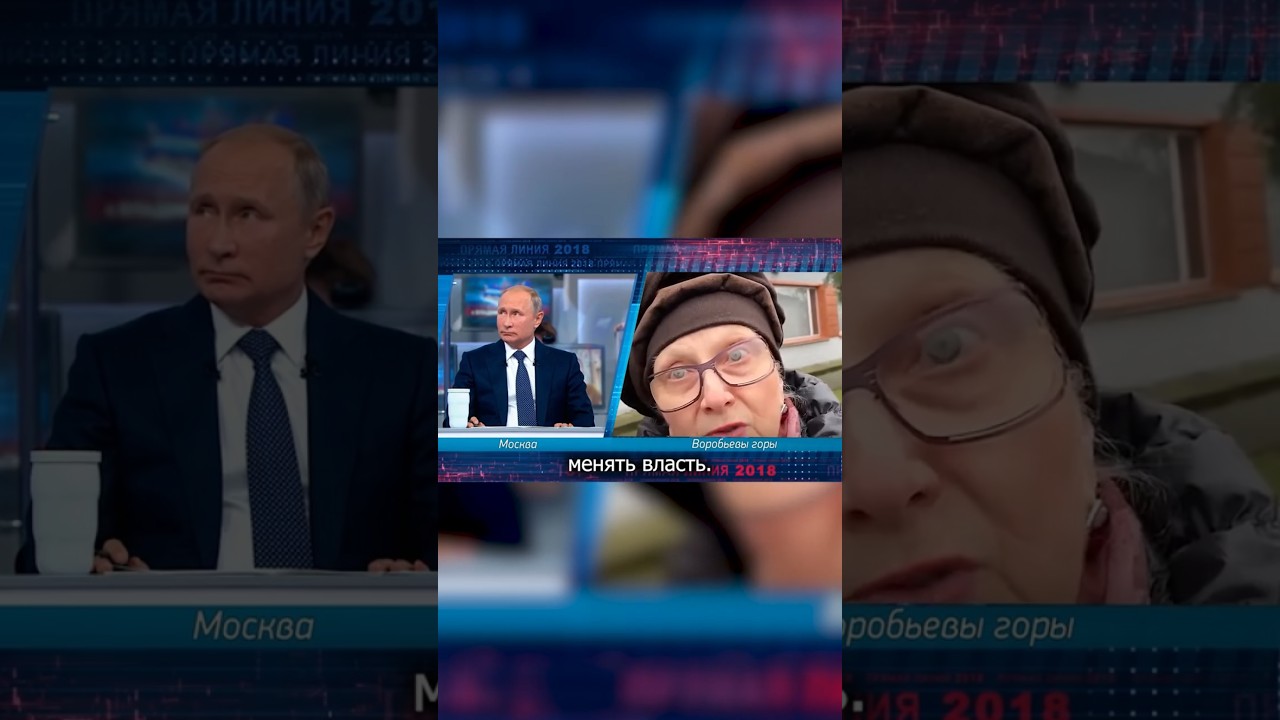

Okay, let’s craft an article based on the prompt “Пенсионерка про жизнь в России | NoFake” which translates to “Pensioner on life in Russia | NoFake.” We’ll aim for a tone that reflects the “NoFake” aspect, meaning it should be grounded in reality and avoid idealizations.
Title: A Russian Pensioner’s Reality: No Filter, No Fakes
Introduction:
Life after retirement is often portrayed as a time of relaxation and newfound freedom. But for many pensioners in Russia, the reality is a complex mix of challenges and resilience. We sat down with [Pensioner’s Name, if possible, or use a pseudonym like “Natalia Ivanovna”], a [Age]-year-old retired [Previous Profession] living in [City/Region in Russia], to get a firsthand account of her life, her struggles, and her hopes for the future. This is her story, unfiltered and without embellishment.
The Financial Tightrope:
“The biggest challenge? Money, without a doubt,” Natalia Ivanovna states plainly. “My pension is [Approximate amount of pension in Rubles, and its USD equivalent]. It’s enough to cover the basic necessities – коммуналка (utilities), food, and medicine – but there’s very little left over.”
She explains that rising prices, particularly for food and medications, are a constant source of worry. “Every trip to the store is a calculation. Do I buy the cheaper, less healthy option, or do I sacrifice something else?”
The rising cost of utilities (коммуналка) is a particular burden. Many pensioners, especially those living in older apartments, struggle to keep up with the bills, often relying on government subsidies or assistance from family members.
Healthcare Hurdles:
Access to quality healthcare is another significant concern. While healthcare is technically free in Russia, Natalia Ivanovna describes difficulties in getting timely appointments with specialists and accessing necessary medications.
“The waiting lists can be long,” she says. “And sometimes, the ‘free’ medications aren’t available, so you have to buy them yourself, which puts a strain on the budget.”
She also notes the challenges of navigating the bureaucratic system to obtain necessary medical services.
Social Isolation and Loneliness:
Beyond the financial and healthcare challenges, many Russian pensioners face social isolation and loneliness. Children may have moved to larger cities for work, leaving elderly parents behind. Limited mobility and financial constraints can also make it difficult to participate in social activities.
Natalia Ivanovna admits to feeling lonely at times. “My children visit when they can, but they have their own lives. I try to stay active, volunteering at the local library and chatting with my neighbors, but it’s not always enough.”
Resilience and Resourcefulness:
Despite the hardships, Natalia Ivanovna demonstrates remarkable resilience and resourcefulness. She gardens to supplement her food supply, carefully manages her finances, and maintains a strong sense of community.
“We [pensioners in her community] help each other out,” she says. “We share food, offer support, and just listen to each other. It makes a difference.”
She also finds solace in her hobbies, such as reading and watching television. Staying informed about current events is important to her.
Hopes for the Future:
When asked about her hopes for the future, Natalia Ivanovna expresses a desire for a more stable and secure life for pensioners in Russia.
“I hope that the government will do more to support us,” she says. “We worked hard our entire lives, and we deserve to live our final years with dignity and without constant worry.”
She also hopes for a brighter future for her grandchildren, one where they have opportunities to thrive in Russia.
Conclusion:
Natalia Ivanovna’s story is a poignant reminder of the challenges faced by many pensioners in Russia. While the narrative often focuses on grand political themes, it’s crucial to remember the individual experiences that shape the nation. Her story, shared without pretense, highlights the need for greater attention to the needs of the elderly and a commitment to building a more just and equitable society. It’s a story of survival, resilience, and enduring hope in the face of adversity.
Possible additions to enhance the article:
- Specific Examples: Instead of general statements, try to include specific examples of prices, waiting times, or community activities.
- Photographs: A photograph of Natalia Ivanovna (with her permission) or a general image representing Russian pensioners would add visual appeal.
- Government Programs: Mention any relevant government programs designed to support pensioners and discuss their effectiveness (or lack thereof).
- Comparison: Briefly compare the situation of Russian pensioners with that of pensioners in other countries (e.g., Western Europe) to provide context.
- Call to Action: Consider adding a call to action, encouraging readers to support organizations that help the elderly in Russia.
Important Considerations:
- Sensitivity: Approach the topic with sensitivity and respect. Avoid making generalizations or stereotypes.
- Accuracy: Ensure that all information is accurate and based on reliable sources.
- Privacy: Protect the privacy of the individual being interviewed. Obtain their explicit consent before publishing any personal information or photographs.
- Balance: While the article focuses on challenges, also highlight the positive aspects of life for pensioners in Russia, such as strong family ties or a sense of community.
This framework provides a solid foundation for an article that is both informative and engaging, staying true to the “NoFake” principle. Remember to adapt it based on your specific research and available information. Good luck!
LEARN MORE ABOUT: Retirement Pension Plans
REVEALED: Best Investment During Inflation
HOW TO INVEST IN GOLD: Gold IRA Investing
HOW TO INVEST IN SILVER: Silver IRA Investing



Хуже президента еще не было
Ой бабуля ты ещё жива это не по плану да ещё говорить можешь вырезка какая-то о чем ты ему движуха нужна фарш мясо на убой всех
Лурак обещал
Путин –Сукин настоящий негодяй чезафриннг сволоч настоящий безмозгли президент России
А когда он убивал Чеченских детей и женщин вы его яростно поддерживали .
Путин говорил…
Ему русский народ не нужн по этому война начил
Да он врёт на каждом шагу
ПОСТРОИЛ ДАЧУ И ДЕНЕГ НЕМА
Он у власти уже лет 30 почти. Все никак не наворуется
А мы несостоявшиеся пенсионеры, наоборот ощущаем что жить стало вообще пиз…дец, как дерьмово, благодаря ему.
Всегда обманывали. Я не знаю не ужели не жалко стариков. Работали, поднимали. Страну. Как можно прожить на эти деньги. Всегда верила В В Путину.
А кто такой Путин, кручу верчу запутать хочу, такое присуще только одной всем известной национальности, которые могут врать на голубом глазу, переобуваться в сальто в воздухе, они теперь все имеют русские фамилии, например Кириенко, он же Израитель и т.д(((
Ну він завжди бреше ви вже привикли