
[ad_2]
Russia’s Historic Default: What Next for the Economy?
In the world of finance, a default can signify trouble. For Russia, the nation found itself grappling with this stark reality in 2022 when it missed payments on its foreign debts, marking a significant point in its economic history. The impact of this default, triggered by international sanctions following the invasion of Ukraine, has set off ripples not only within Russia’s economy but also across the global financial landscape. As the dust begins to settle, the question looms: What comes next for Russia’s economy?
The Causes of Default
The historic default was not an unforeseen event. It was exacerbated by the culmination of various factors following the geopolitical tensions ignited by Russia’s military actions in Ukraine. Since the onset of the conflict, Western countries have imposed heavy sanctions aimed at crippling Russia’s economy. These sanctions froze substantial foreign currency reserves and restricted access to international financial markets, making it nearly impossible for the country to fulfill its debt obligations.
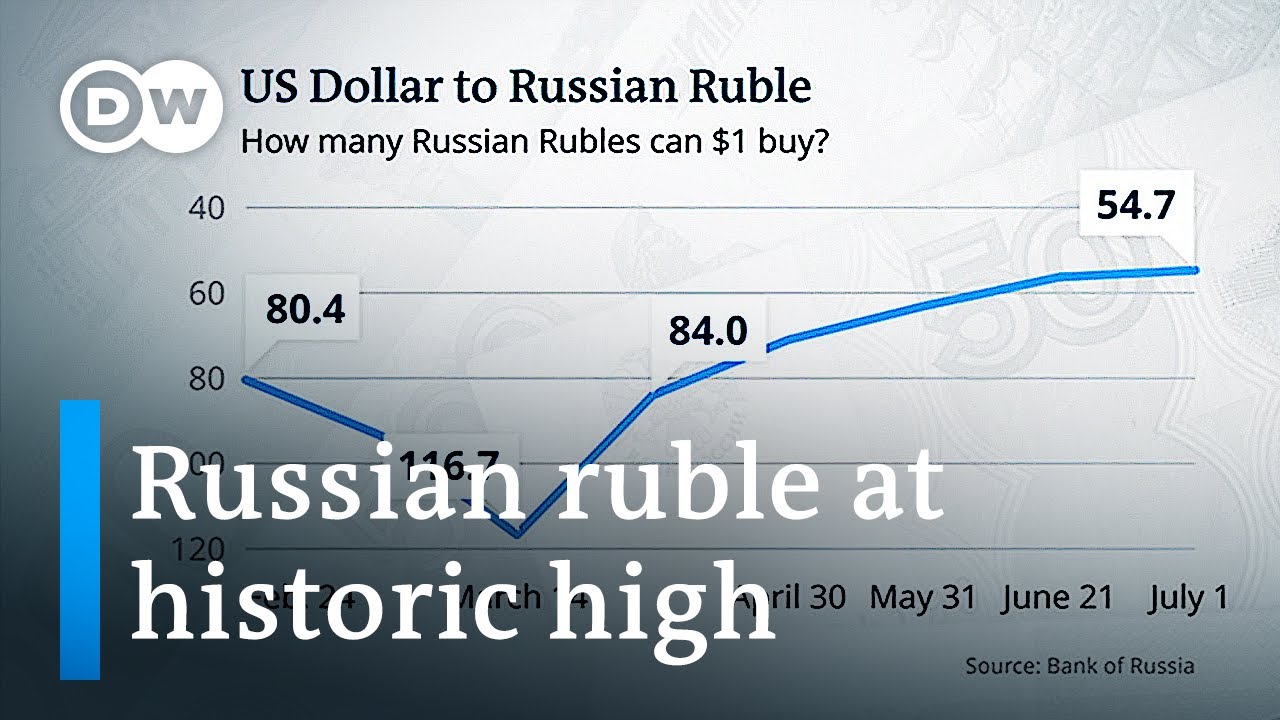
As a result, Russia’s national currency, the ruble, faced severe devaluation and inflation surged, leading to increased costs of living for many Russians. This financial turmoil was compounded by a sharp decline in foreign investments as businesses pulled out of Russia, wary of reputational damage and operational impacts due to sanctions.
Immediate Economic Consequences
The immediate aftermath of the default has seen Russia stepping into uncharted waters. The government has embarked on a strategy of self-isolation, aiming to mitigate the impact of sanctions by increasing trade with non-Western countries, particularly in Asia, to offset the loss of Western markets. However, these measures come with challenges as many of Russia’s historical trading partners are also reevaluating their relationships.
Inflation has risen significantly, leading to a reduction in consumer purchasing power. In turn, this has sparked a wave of economic uncertainty, pushing everyday consumers to reassess their spending habits. The banking sector, though initially stable due to governmental interventions, is beginning to feel the pressure as loans default and investment slows.
Long-Term Effects on the Economy
While Russia may attempt to pivot towards Asia and other regions, long-term implications remain concerning. The process of diversifying trade relationships is neither quick nor easy. Potential partners in Asia and elsewhere may also hesitate to enter into lengthy economic commitments given the unpredictable geopolitical climate.
An added layer of complexity is the potential for further isolation from international financial systems, making it difficult for Russia to access global capital markets in the foreseeable future. Experts predict that this could lead to prolonged economic stagnation and a decline in the standard of living for many Russians.
The Rise of Domestic Production
In response to the sanctions and the default, Russia may initially attempt to bolster domestic production in key sectors. Initiatives focused on self-sufficiency could potentially stimulate certain industries, such as agriculture and technology. This could pave the way for a slower but notable form of economic adaptation. However, achieving this self-reliance requires investments and innovation, as well as time—factors that are currently in short supply given the immediate pressures.
Navigating Through the Turbulence
Looking forward, the Russian government faces a multi-faceted challenge. Reforming economic policies, supporting domestic industries, and retaining a semblance of stability in financial systems will demand unprecedented levels of strategic foresight and planning. The Kremlin may also need to reconsider its approach to public spending and social programs in light of economic constraints arising from the fallout of its default.
Moreover, international responses to Russia’s economic predicament will play a pivotal role. As global powers reassess their relationships and strategies towards Russia, the interconnected nature of today’s economies means that ripple effects will reach far beyond Russia’s borders.
Conclusion: A Crossroads Ahead
Russia’s historic default signals a turning point, not only for the nation but also for the international community. As the economy grapples with the ramifications of debt missed and relationships strained, the path ahead remains fraught with uncertainty. The decisions made by the Kremlin in the coming years will serve as a litmus test for both domestic resilience and the global economic order.
In this precarious climate, the ingenuity and adaptability of Russia’s economy—and the response of the global community—will shape the narrative of recovery, resilience, or further isolation. The stakes are high, and the coming months will likely determine the future course of one of the world’s largest economies.
BREAKING: Recession News
REVEALED: Best Investment During Inflation
HOW TO INVEST IN GOLD: Gold IRA Investing

Ah where are they today?
That's good.
All appreciate russia you the brokerage media to america.tell the truth
The Ruble is not an actively traded currency.
Tim, your forked CIA tongue is showing!
This a false high. You can't do anything with the Russian ruble.
Concentrate on -27 C . It's coming. Lets see who's laughing at the end????
The audacity of you guys! 3/4 of Russia support Putin! Can you say the same about Bidden? Rutten, president of Taiwan….. and you still preaching hate!
Literally, the check is in the mail. I think when we pay OUR bills, it is on us to make sure the money arrives, not on the payee to hunt it down.
Russia doesn't need to borrow from Western banksters anyways.
Why make them rich ?
They certainly don't have Russia's best interests in mind.
Their claim that Russia has anything to gain (by NOT being in default) is obviously a LIE.