
[ad_2]
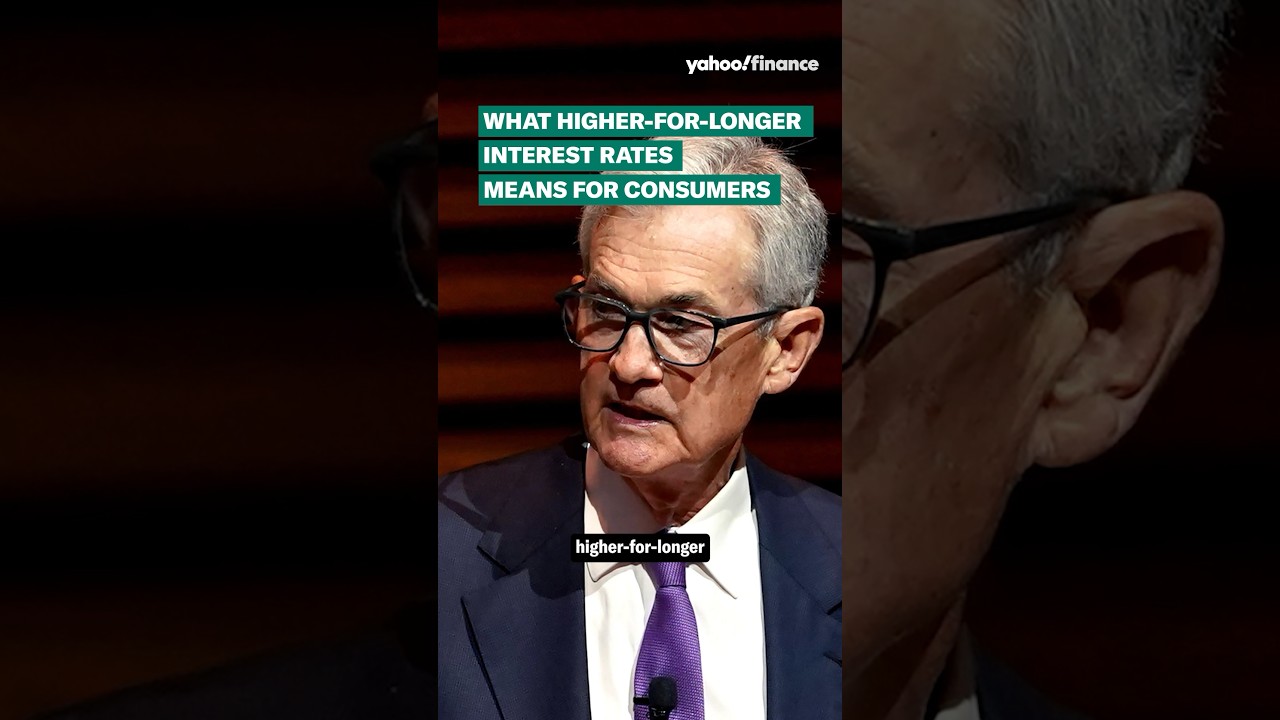
The Fed: What Higher Interest Rates Mean for Your Money 💰
As the Federal Reserve (often just called "the Fed") adjusts interest rates to manage the economy, many are left wondering: What does this mean for our wallets? Let’s break it down simply.
Understanding Interest Rates
Interest rates are the cost of borrowing money. When the Fed raises these rates, it impacts various financial products—like loans, savings accounts, and credit cards.
1. Impact on Borrowing
When the Fed increases interest rates, loans become more expensive. Mortgages, car loans, and personal loans usually come with higher rates. This means:
- Monthly Payments Rise: If you’re taking out a new loan or refinancing an existing one, expect higher monthly payments.
- Less Borrowing Power: Higher rates can lead to tougher loan approvals, making it harder for individuals and businesses to secure financing.
2. Effect on Savings
While higher interest rates can sting for borrowers, they can benefit savers:
- Better Savings Rates: Banks often pass on the benefits of higher rates to savers, translating to improved interest rates on savings accounts and CDs (Certificates of Deposit).
- Increased Returns: If you’re investing in bonds, higher rates can lead to better returns over time.
3. Credit Card Costs
Higher interest rates can significantly impact credit card debt:
- Rising Interest Charges: Most credit cards have variable interest rates tied to the Fed’s rates. As these rise, so do the charges on outstanding balances. This means if you’re carrying a balance, your payments can grow.
4. Economic Influences
The Fed raises rates primarily to control inflation and stabilize economic growth. This means:
- Cooling Down Spending: Higher rates generally discourage spending and borrowing, which can help keep inflation in check.
- Potential Slowdown: While it can stabilize prices, it might slow economic growth, leading to a more cautious consumer atmosphere.
5. Real Estate Market
Higher interest rates can cool the real estate market:
- Decreased Demand: More expensive mortgages can lead potential buyers to hold off.
- Market Adjustments: If fewer people are buying homes, sellers might need to lower prices to attract buyers.
Conclusion
Higher interest rates set by the Fed can create a mixed bag of effects on your finances. From increased borrowing costs to potentially higher returns on savings, understanding these changes is crucial for managing your money effectively. Staying informed will help you navigate these financial waters, allowing you to make smarter decisions that benefit your financial future. 💸
By keeping up with economic changes, you can position yourself better, ensuring your money works harder for you in any interest rate environment!
LEARN ABOUT: Investing During Inflation
REVEALED: Best Investment During Inflation
HOW TO INVEST IN GOLD: Gold IRA Investing
HOW TO INVEST IN SILVER: Silver IRA Investing

0 Comments